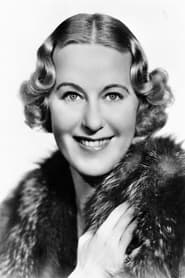
Grace Moore
Actor
Born: December 5, 1898 in Slabtown (now Del Rio), Tennessee, USA Died: January 26, 1947 Active: 1920-1947 Birth Name: Mary Willie Grace Moore
Films
1 film
About Grace Moore
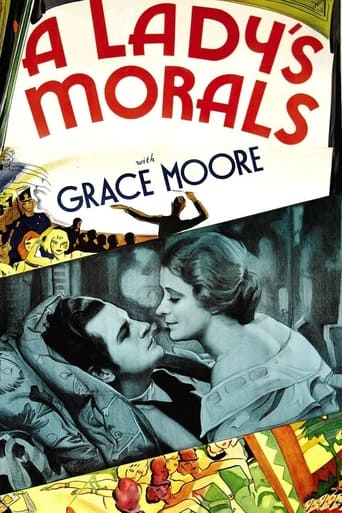
Grace Moore, famously known as the 'Tennessee Nightingale,' was an American operatic soprano and film actress who bridged the gap between grand opera and popular Hollywood entertainment. Born in Tennessee, she began her career on Broadway in the early 1920s before achieving her dream of performing at the Metropolitan Opera in 1928 as Mimì in 'La Bohème.' Her transition to film began with MGM in 1930, where she portrayed the Jenny Lind in 'A Lady's Morals,' though her initial Hollywood tenure was brief due to the studio's concerns over her weight and the technical limitations of early sound recording. She returned to cinema in 1934 with Columbia Pictures, starring in 'One Night of Love,' a massive success that earned her an Academy Award nomination and revolutionized the way operatic music was recorded and presented on screen. Throughout the 1930s, she remained a major box-office draw, starring in a series of musical films that popularized classical music for a general audience. Her life and career were tragically cut short in 1947 when she died in a plane crash in Copenhagen while on a European concert tour.
The Craft
On Screen
Moore was known for her vibrant, ebullient screen presence and a 'mercurial' temperament that translated into high-energy performances. While critics sometimes noted her limited range in dramatic acting, she possessed an innate ability to imbue her musical numbers with deep emotional meaning and charisma. She was a perfectionist regarding her vocal presentation, often clashing with directors and producers to ensure her operatic arias were showcased with the highest possible technical quality.
Milestones
- Metropolitan Opera debut as Mimì in La Bohème (1928)
- Starred as Jenny Lind in her film debut A Lady's Morals (1930)
- Academy Award nomination for Best Actress for One Night of Love (1934)
- Received the Gold Medal of the Society of Arts and Sciences (1935)
- Decorated as a Chevalier of the French Légion d'honneur (1939)
- Published her autobiography 'You're Only Human Once' (1944)
Best Known For
Iconic Roles
Must-See Films
Accolades
Won
- Gold Medal of the Society of Arts and Sciences (1935)
- Medal of 'Ingenio et Arti' from King Christian X of Denmark (1936)
- Chevalier of the French Légion d'honneur (1939)
Nominated
- Academy Award for Best Actress for One Night of Love (1934)
Special Recognition
- Hollywood Walk of Fame Star (6274 Hollywood Blvd)
- Honorary Colonel on the staff of the Governor of Tennessee (1937)
- Life Member of the Tennessee State Society of Washington, D.C.
Working Relationships
Worked Often With
Studios
Why They Matter
Impact on Culture
Grace Moore was instrumental in the 'opera-in-film' movement of the 1930s, proving that classical music could be a commercial success in Hollywood. Her film 'One Night of Love' was a watershed moment that forced studios to improve sound recording technology to capture the nuances of the operatic voice. She broke down the elitist barriers surrounding opera, making it accessible and glamorous to millions of moviegoers during the Great Depression.
Lasting Legacy
Moore's legacy is preserved through her recordings and her influence on subsequent 'singing stars' of the screen, such as Kathryn Grayson and Deanna Durbin. Her life was so compelling that it was dramatized in the 1953 biopic 'So This Is Love.' She remains a symbol of the 'Tennessee Nightingale'—a small-town girl who conquered both the world's most prestigious opera houses and the Hollywood studio system.
Who They Inspired
She influenced a generation of crossover artists who sought to balance classical vocal training with popular appeal. Her success at Columbia Pictures helped elevate the studio's status from a 'Poverty Row' entity to a major player in the industry.
Off Screen
Moore was born to Richard Lawson Moore and Tessa Jane Stokely. She was known for her strong-willed personality and was a prominent figure in international café society. She married Spanish actor Valentin Parera in 1931; the marriage lasted until her death. She was a close friend of other Hollywood legends like Gloria Swanson and was known for her high-profile social life in both Europe and the United States.
Education
Attended Jellico High School; briefly attended Ward-Belmont College in Nashville; studied at Wilson-Greens School of Music in Chevy Chase, Maryland.
Family
- Valentin Parera (1931-1947)
Did You Know?
- She was nicknamed the 'Tennessee Nightingale.'
- She died in the same plane crash that killed Prince Gustaf Adolf of Sweden.
- MGM once insisted she receive equal billing with Maurice Chevalier, which led to Chevalier quitting the project.
- She was expelled from Ward-Belmont College for her lack of discipline and 'foul language' before returning years later as a celebrated donor.
- During her Broadway days, orange blossom perfume was wafted through the theater while she sang 'An Orange Grove in California.'
- She was a member of the Peabody Awards Board of Jurors from 1940 to 1942.
In Their Own Words
There may be some who will still say it isn't [a great voice]. But I do have a voice that has made people listen, that seemed to make people happy and exhilarated.
You're only human once.
Frequently Asked Questions
Who was Grace Moore?
Celebrated American operatic soprano and actress known as the 'Tennessee Nightingale.' she was one of the first stars to successfully transition from the Metropolitan Opera to Hollywood stardom.
What films is Grace Moore best known for?
Titles linked here include One Night of Love (1934), A Lady's Morals (1930).
When was Grace Moore born and when did she die?
Born December 5, 1898; died January 26, 1947.
What awards did Grace Moore win?
She was nominated for an Academy Award for Best Actress and received prestigious honors including the French Légion d'honneur and the Danish 'Ingenio et Arti' medal.
What was Grace Moore's acting style?
Moore was known for her charismatic and ebullient presence, focusing on the emotional delivery of her musical performances rather than complex dramatic range.
How did Grace Moore impact cinema?
She popularized opera for mainstream audiences and pushed the boundaries of sound recording technology in early musical films.