
Clarence Brooks
Actor
Born: October 12, 1886 in Philadelphia, Pennsylvania, United States Died: March 15, 1969 Active: 1921-1944
Films
2 films
About Clarence Brooks
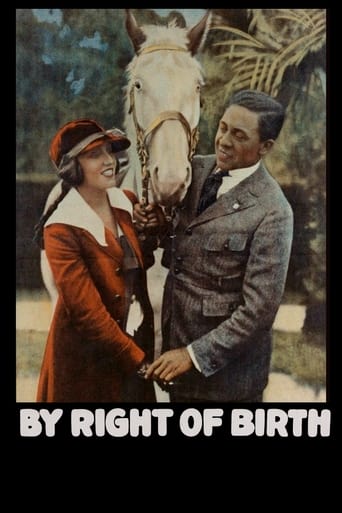
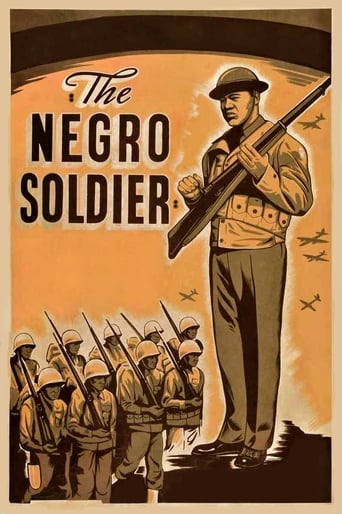
African American actor: the silent era through the early days of Hollywood's Golden Age. Beginning his film career in the early 1920s, Brooks was part of a small but dedicated group of Black performers who sought to break racial barriers in American cinema. Clarence appears in 'By Right of Birth' (1921), one of the earliest all-Black feature films produced by the Lincoln Motion Picture Company, which was dedicated to creating positive representations of African Americans on screen. Throughout his career, Brooks consistently worked against the limitations imposed by Hollywood's racial stereotypes, often taking on roles that attempted to portray Black characters with dignity and depth. His appearance in Frank Capra's acclaimed documentary 'The Negro Soldier' (1944) marked one of his final and most significant film contributions, as the film was praised for its progressive portrayal of African American soldiers during World War II. Brooks spent over two decades in the film industry, witnessing and participating in the slow evolution of Black representation in American cinema from the restrictive stereotypes of the silent era to more nuanced portrayals in the 1940s.
The Craft
On Screen
Brooks developed a naturalistic acting style that contrasted with the exaggerated performances common in silent films. He brought a sense of dignity and restraint to his roles, often portraying characters of substance and moral character despite the limited opportunities available to Black actors of his era. His performances were noted for their subtlety and emotional authenticity, helping to counteract the stereotypical portrayals that dominated Hollywood's representation of African Americans during this period.
Milestones
- Appeared in 'By Right of Birth' (1921), one of the earliest all-Black feature films
- Worked with the Lincoln Motion Picture Company, Black-owned film studio
- Featured in Frank Capra's 'The Negro Soldier' (1944)
- Spent over two decades working in Hollywood during the era of strict racial segregation
- Part of the first generation of African American actors to achieve sustained film careers
Best Known For
Iconic Roles
Must-See Films
Accolades
Special Recognition
- Recognized as a African American actor in film history
- Posthumously acknowledged for contributions to Black cinema representation
Working Relationships
Worked Often With
Studios
Why They Matter
Impact on Culture
Clarence Brooks was part of a crucial movement in early American cinema that sought to create authentic and respectful representations of African American life on screen. His work with the Lincoln Motion Picture Company helped establish the foundation for Black-owned film production and challenged Hollywood's pervasive racial stereotypes. By appearing in films that portrayed African Americans as complex, dignified human beings rather than caricatures, Brooks contributed to the gradual transformation of racial representation in American cinema. His participation in 'The Negro Soldier' was particularly significant, as this film was one of the first major Hollywood productions to present African Americans in a positive, patriotic light during wartime, helping to shift public perceptions about the role of Black citizens in American society.
Lasting Legacy
Clarence Brooks' legacy lies in his role as a pioneer for African American representation in cinema during. His active years covered the transition from silent films to sound, and he helped pave the way for future generations of Black actors who would eventually achieve greater recognition and opportunity in Hollywood. Brooks and his contemporaries at the Lincoln Motion Picture Company demonstrated the importance of Black control over film production and representation, a principle that would influence later movements for Black cinematic independence. His work remains an important part of film history, representing the struggle and perseverance of African American artists who refused to be silenced or marginalized despite overwhelming institutional barriers.
Who They Inspired
Brooks influenced subsequent generations of African American actors by demonstrating the importance of maintaining dignity and professionalism in the face of racial discrimination. His commitment to portraying positive images of Black life helped establish standards that would later be embraced by civil rights activists and filmmakers. The naturalistic acting style he employed contrasted with the minstrel-inspired performances common in early cinema, helping to establish a more authentic approach to Black characterization that would influence performers like Paul Robeson, Sidney Poitier, and others who followed.
Off Screen
Clarence Brooks maintained a relatively private personal life throughout his career in Hollywood. He was known among his contemporaries as a dedicated professional who navigated the challenges of being a Black actor in segregated Hollywood with dignity and persistence. Brooks was part of the close-knit community of African American performers who supported each other during an era when opportunities were severely limited by racial discrimination.
Education
Limited information available about his formal education, though he was known to be well-read and articulate, suggesting some level of formal schooling or self-education beyond the norm for African Americans of his generation.
Did You Know?
- 'By Right of Birth' (1921) was one of the first feature films produced by an all-Black cast and crew
- The Lincoln Motion Picture Company, which produced Brooks' early work, was founded in 1916 and was one of the first Black-owned film production companies
- Brooks worked during an era when most African American actors were limited to playing servants, criminals, or comic relief characters
- 'The Negro Soldier' (1944) was part of Frank Capra's 'Why We Fight' series and was considered groundbreaking for its positive portrayal of African Americans
- Very few films featuring Clarence Brooks have survived, making his surviving work particularly valuable to film historians
- Brooks was part of a small but dedicated group of Black performers who managed to maintain careers spanning multiple decades in early Hollywood
- The Lincoln Motion Picture Company produced only five films before closing in 1923, making Brooks' work with them historically significant
- During the silent era, Brooks would have needed to convey emotion and story primarily through physical expression and facial expressions
- His career demonstrates the persistence required for African American actors to work in Hollywood before the Civil Rights Movement
- Brooks appeared in films during both the height of the Jim Crow era and the beginnings of the Civil Rights Movement, witnessing significant social change
In Their Own Words
While direct quotes from Clarence Brooks are scarce in historical records, his career choices reflected his belief in the importance of dignified representation of African Americans in film
Frequently Asked Questions
Who was Clarence Brooks?
African American with credits in this catalog. He was part of the early movement to create positive and authentic representations of Black life in American cinema.
What films is Clarence Brooks best known for?
Titles linked here include By Right of Birth (1921), The Negro Soldier (1944).
When was Clarence Brooks born and when did he die?
Born October 12, 1886; died March 15, 1969.
What awards did Clarence Brooks win?
While Clarence Brooks did not receive major formal awards during his lifetime, he has been posthumously recognized as a figure in African American cinema history and is acknowledged for his contributions to breaking racial barriers in Hollywood.
What was Clarence Brooks' acting style?
Brooks developed a naturalistic and dignified acting style that contrasted with the exaggerated performances common in silent films. He brought subtlety and emotional authenticity to his roles, often portraying characters of substance and moral character despite the limited opportunities available to Black actors of his era.
What was the significance of the Lincoln Motion Picture Company in Brooks' career?
The Lincoln Motion Picture Company was one of the first Black-owned film production companies in America, and Brooks' work with them was significant because it represented an early attempt by African Americans to control their own cinematic representation, free from Hollywood's racial stereotypes.
How did Clarence Brooks contribute to changing racial representation in cinema?
Brooks contributed to changing racial representation by consistently choosing roles that portrayed African Americans with dignity and depth, helping to counteract the harmful stereotypes that dominated Hollywood during his era and paving the way for future generations of Black performers.