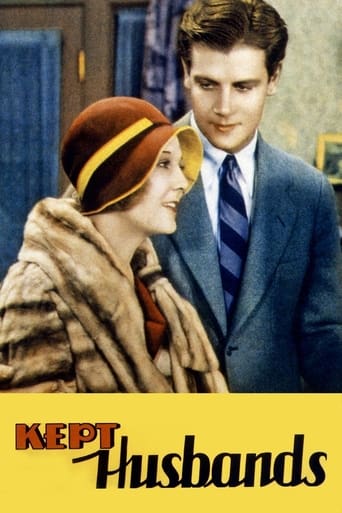
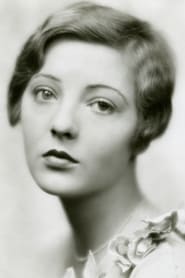
Dorothy Mackaill
Actor
Born: March 4, 1903 in Hull, Yorkshire, England Died: August 12, 1990 Active: 1920-1937 (films), 1952-1962 (television)
Films
2 films
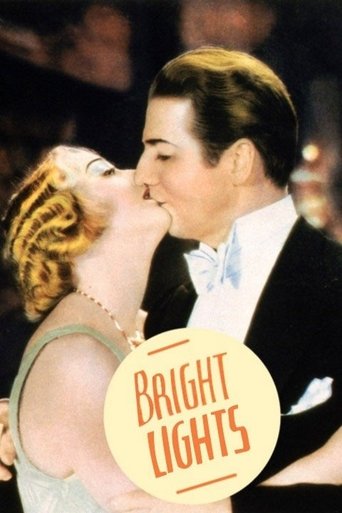
About Dorothy Mackaill
British-born American actress who rose to stardom during the silent film era and successfully transitioned into early talkies. Born in Hull, Yorkshire, England, she began her career as a model in Paris before moving to New York where she joined the Ziegfeld Follies. Her film career began in 1920, and by the mid-1920s she had become one of Warner Bros.' most popular leading ladies, known for her sophisticated and glamorous persona. Mackaill was selected as one of the WAMPAS Baby Stars of 1924, a prestigious honor that predicted stardom for young actresses. She successfully navigated the transition from silent films to sound pictures, though her career began to decline by the mid-1930s as newer stars emerged. After retiring from films in 1937, she made occasional television appearances in the 1950s and 1960s. She spent her later years in Hawaii, where she lived quietly until her death in 1990 at age 87.
The Craft
On Screen
Dorothy Mackaill was known for her sophisticated, elegant screen presence and natural acting style that adapted well to both silent and sound films. She specialized in portraying modern, independent women who were often caught in romantic complications or dramatic situations. Her performances were characterized by a subtle expressiveness that worked particularly well in intimate scenes, and she had a natural charm that made her popular with audiences. In pre-Code films, she demonstrated a willingness to tackle more adult themes and complex characters, showing versatility beyond the typical ingenue roles of the era.
Milestones
- Selected as WAMPAS Baby Star in 1924
- Became Warner Bros. Leading lady in mid-1920s
- Successfully transitioned from silent to sound films
- Starred in pre-Code Hollywood films
- Made television comeback in 1950s-60s
Best Known For
Iconic Roles
Must-See Films
Accolades
Won
- WAMPAS Baby Star (1924)
Special Recognition
- Star on Hollywood Walk of Fame for motion pictures
Working Relationships
Worked Often With
Studios
Why They Matter
Impact on Culture
Dorothy Mackaill represented the modern, independent woman of the 1920s and early 1930s, embodying the changing social attitudes toward women during that era. Her successful transition from silent films to talkies demonstrated the adaptability required of actors during this technological revolution in cinema. As a pre-Code Hollywood star, she participated in films that pushed boundaries regarding adult themes and complex female characters, contributing to the brief but influential period of more realistic filmmaking before the Hays Code enforcement. Her career trajectory also illustrated the challenges faced by silent-era stars as the studio system evolved and new talent emerged in the sound era.
Lasting Legacy
Dorothy Mackaill's legacy lies in her contribution to both the silent film era and the transition to sound pictures, serving as an example of an actress who successfully navigated this challenging period. Her films, particularly her pre-Code works, remain valuable artifacts of Hollywood's more daring period before censorship. Though she may not be as remembered today as some of her contemporaries, her career represents the typical arc of a successful actress of her era - rapid rise to stardom, successful adaptation to new technology, and gradual decline as industry preferences changed. Her star on the Hollywood Walk of Fame ensures her place in cinema history, and her surviving films continue to be studied by film historians interested in the transitional period of Hollywood.
Who They Inspired
Mackaill influenced other actresses through her demonstration of how to successfully transition from silent to sound films, maintaining her natural acting style while adapting to the new medium. Her sophisticated portrayal of modern women helped establish templates for female characters in early sound films. Her work in pre-Code cinema showed that actresses could tackle complex, adult-oriented roles, paving the way for more nuanced female characterizations in subsequent decades. Her career also served as a model for graceful retirement from Hollywood, choosing to step away rather than struggle with diminishing roles as she aged.
Off Screen
Dorothy Mackaill had a colorful personal life that included two marriages and several high-profile relationships. She married director Lothar Mendes in 1926, but they divorced in 1928. Her second marriage was to actor Neil Hamilton in 1932, which also ended in divorce in 1937. She was romantically linked to several Hollywood figures during her career peak. After retiring from films, she moved to Hawaii where she lived a quiet life away from the Hollywood spotlight. She never had children and spent her final decades in Honolulu, occasionally returning for television roles but largely avoiding public attention.
Education
Limited formal education; received training in dance and performing arts through her early work in European modeling and American theater
Family
- Lothar Mendes (1926-1928)
- Neil Hamilton (1932-1937)
Did You Know?
- Was one of the 13 actresses selected as WAMPAS Baby Stars in 1924
- Began her career as a model in Paris at age 16
- Worked as a Ziegfeld Follies girl before entering films
- Made her film debut in 'The Face at Your Window' (1920)
- Was considered for the lead in 'The Jazz Singer' (1927) but lost it to May McAvoy
- Her film 'The Sea Beast' (1926) was a loose adaptation of 'Moby Dick' co-starring John Barrymore
- Successfully sued Warner Bros. To get out of her contract in the early 1930s
- Made her television debut in an episode of 'The Adventures of Superman' in 1952
- Lived in Hawaii for over 40 years before her death
- Was discovered by director James Kirkwood while working in theater
- Spoke fluent French due to her early years modeling in Paris
- Was one of the few silent stars who successfully made the transition to sound without changing her acting style dramatically
In Their Own Words
I never wanted to be a great actress. I just wanted to be a good one and make a living.
The transition to sound wasn't as difficult for me as for some others. I always tried to be natural on screen.
Hollywood was a different world then. We worked hard, but we also had fun. It wasn't all serious business like it became later.
Frequently Asked Questions
Who was Dorothy Mackaill?
British-born American actress who was a popular star during the silent film era and early sound period of Hollywood. She was known for her sophisticated screen presence and successful transition from silent to talking pictures, particularly as a Warner Bros. Leading lady in the 1920s and early 1930s.
What films is Dorothy Mackaill best known for?
Titles linked here include The Dancer of the Dark (1924), The Man Who Came Back (1924).
When was Dorothy Mackaill born and when did she die?
Born March 4, 1903; died August 12, 1990.
What awards did Dorothy Mackaill win?
Dorothy Mackaill was selected as one of the WAMPAS Baby Stars in 1924, a prestigious honor that identified promising young actresses. She also received a star on the Hollywood Walk of Fame for her contributions to motion pictures.
What was Dorothy Mackaill's acting style?
Mackaill was known for her natural, sophisticated acting style that worked well in both silent and sound films. She specialized in portraying modern, independent women and had a subtle expressiveness that made her particularly effective in intimate scenes and dramatic situations.
How did Dorothy Mackaill transition from silent to sound films?
Mackaill successfully transitioned to sound films in the late 1920s without needing to significantly alter her acting style. Her natural approach to performance and clear voice made the transition smoother than for many of her silent-era contemporaries, allowing her to continue starring in films through the early 1930s.
Why did Dorothy Mackaill's career decline?
Mackaill's career declined in the mid-1930s as newer stars emerged and the studio system evolved. Like many actors of her era, she faced increasing competition and changing audience preferences. After her contract disputes with Warner Bros., she made fewer films and eventually retired in 1937, though she did return for occasional television roles in the 1950s and 1960s.