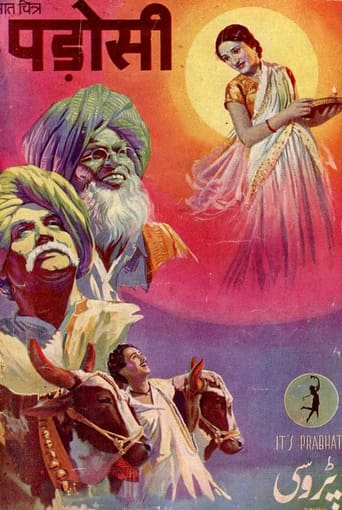
Films
1 film
About Mazhar Khan
This archive lists one role for Mazhar Khan: Padosi (1941). He is primarily known for his role in the landmark 1941 film 'Padosi' (The Neighbour), directed by the V. Shantaram. This film was significant for its progressive message of communal harmony between Hindus and Muslims during a tumultuous period in Indian history. While his filmography appears to have been brief, with 1941 being the primary documented year of his activity, his contribution to this socially important film places him in the annals of early Indian cinema. Unfortunately, detailed records about many supporting actors from this era are scarce, making it difficult to trace his complete career trajectory or personal life in detail.
The Craft
Milestones
- Appeared in V. Shantaram's socially significant film 'Padosi' (1941)
Best Known For
Iconic Roles
Must-See Films
Working Relationships
Worked Often With
Studios
Why They Matter
Impact on Culture
Mazhar Khan's contribution to Indian cinema, though brief, is significant through his participation in 'Padosi,' a film that was ahead of its time in promoting communal harmony. The film was released during a period of growing communal tensions in pre-independence India and used cinema as a medium to promote unity and understanding between different religious communities. His role in this socially conscious film contributed to the early Indian cinema tradition of using films as vehicles for social reform and national integration.
Lasting Legacy
While detailed records of Mazhar Khan's complete filmography and personal life are limited, his legacy is preserved through his participation in one of early Indian cinema's most socially relevant films. 'Padosi' remains historically significant as an early example of Indian cinema's engagement with social issues, and all artists involved in its creation, including Khan, are part of this important cinematic heritage.
Who They Inspired
As a supporting actor in early Indian cinema, Mazhar Khan was part of the foundational generation of performers who helped establish the narrative and thematic conventions that would define Indian cinema for decades. His work in socially conscious films contributed to the tradition of Indian cinema addressing contemporary social issues.
Off Screen
Limited information is available about the personal life of Mazhar Khan from this era, as was common for many supporting actors in early Indian cinema whose complete biographical details were not extensively documented.
Did You Know?
- Appeared in 'Padosi' during the early phase of Indian talkies
- Worked with legendary director V. Shantaram
- Participated in a film that promoted communal harmony during pre-independence India
- The film 'Padosi' was also known internationally as 'The Neighbour'
- Acted during a pivotal period when Indian cinema was establishing its unique identity
- His career appears to have been concentrated in the early 1940s
Frequently Asked Questions
Who was Mazhar Khan?
Early Indian cinema with credits in this catalog. Shantaram.
What films is Mazhar Khan best known for?
Titles linked here include Padosi (1941).
When was Mazhar Khan born and when did he die?
Unfortunately, detailed biographical information about Mazhar Khan's birth and death dates is not available in existing records, which is common for many supporting actors from early Indian cinema.
What awards did Mazhar Khan win?
There are no documented awards for Mazhar Khan in available records, as formal award systems for Indian cinema were not well-established during his active period.
What was Mazhar Khan's acting style?
Specific details about Mazhar Khan's acting style are not documented in available sources, but his participation in V. Shantaram's socially conscious film suggests he was part of the realistic acting movement in early Indian cinema.