Films
2 films
About Fred Holmes
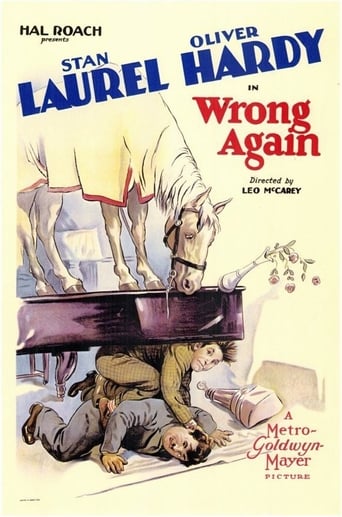
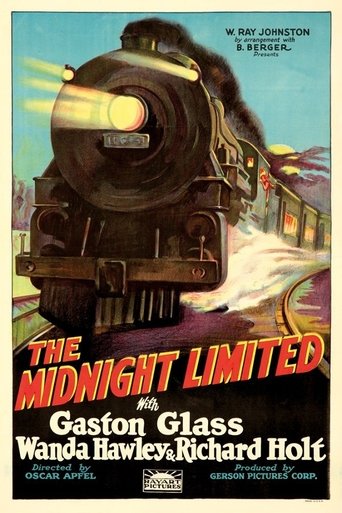
Supporting actor during the transition from the silent era to early sound films in the late 1920s. His brief but notable film career included appearances in two significant productions of the period. Fred appears in 'The Midnight Limited' in 1926, during the height of the silent film era, and later in 'Wrong Again' (1929), which was one of Laurel and Hardy's classic comedy shorts for Hal Roach Studios. Like many character actors of his time, Holmes played small but memorable roles that contributed to the ensemble of films that defined late silent cinema. His career appears to have been concentrated primarily in the years 1926-1929, coinciding with the dramatic shift from silent to sound films that changed the landscape of Hollywood. As with many supporting actors from this period, detailed records of his life and career are scarce, reflecting how the film industry of the time often failed to preserve comprehensive documentation of bit players and character actors who were essential to the success of films but never achieved star status.
The Craft
Milestones
- Appeared in Laurel and Hardy comedy 'Wrong Again' (1929)
- Supporting role in 'The Midnight Limited' (1926)
- Worked during the pivotal transition from silent to sound films
Best Known For
Iconic Roles
Must-See Films
Working Relationships
Worked Often With
Studios
Why They Matter
Impact on Culture
Fred Holmes represents the countless supporting actors who were essential to the success of silent and early sound films but whose contributions have largely been forgotten by time. His appearance in a Laurel and Hardy film places him within the context of one of comedy's most celebrated partnerships, even if his specific role was minor. These character actors formed the backbone of Hollywood's studio system, providing the necessary ensemble elements that made star-driven vehicles successful. The lack of detailed information about Holmes and actors like him highlights how film history often focuses on major stars while overlooking the supporting players who were crucial to the magic of classic cinema.
Lasting Legacy
Fred Holmes' legacy is tied to his participation in the final years of silent cinema and the dawn of the sound era. His appearance in 'Wrong Again' ensures he has a small but permanent place in the Laurel and Hardy filmography,. While he may not have achieved individual fame, his contribution to these films represents the collaborative nature of filmmaking during Hollywood's golden age. His career serves as a reminder of the hundreds of anonymous actors who helped create the films we now consider classics.
Who They Inspired
As a supporting actor with a brief career, Fred Holmes' direct influence on other performers or filmmakers is not documented. However, like all character actors of his era, he contributed to the overall quality and authenticity of the films in which he appeared, helping to create the rich ensemble performances that characterized studio-era filmmaking. His work in the Laurel and Hardy short contributed to the comedic timing and rhythm that made their films successful.
Off Screen
Very little personal information about Fred Holmes has survived in historical records, which is common for many supporting actors from the silent film era who never achieved major stardom. Like many character actors of his time, his life story remains largely undocumented in film history archives.
Did You Know?
- Appeared in 'Wrong Again' (1929), which was directed by Leo McCarey before he became a renowned director of feature films
- His film active years covered the crucial transition period from silent films to talkies
- 'Wrong Again' was one of the last Laurel and Hardy silent shorts before they fully transitioned to sound
- Like many silent era actors, his career appears to have ended with the advent of sound, suggesting he may not have adapted successfully to the new medium
- Supporting actors like Holmes often worked multiple roles on set and were paid by the day rather than having long-term contracts
- The Hal Roach Studios, where he worked for 'Wrong Again', was known as 'The Lot of Fun' and produced many comedy classics
Frequently Asked Questions
Who was Fred Holmes?
American supporting with credits in this catalog. He was one of many character actors who contributed to Hollywood films during this transitional period.
What films is Fred Holmes best known for?
Titles linked here include Wrong Again (1929), The Midnight Limited (1926).
When was Fred Holmes active in films?
Fred Holmes was active as an actor from approximately 1926 to 1929, working during the final years of the silent era and the beginning of the sound revolution in Hollywood.
Did Fred Holmes work with any famous comedians?
Yes, Fred Holmes appeared in 'Wrong Again' (1929), which starred the legendary comedy duo of Stan Laurel and Oliver Hardy. The film was produced by Hal Roach Studios, famous for its comedy productions.
Why is there limited information about Fred Holmes?
Limited information about Fred Holmes is typical for supporting actors from the silent era who never achieved star status. The film industry of that time often failed to maintain comprehensive records of bit players and character actors, focusing instead on major stars.