Bimal Roy
Director
Born: July 12, 1909 in Dhaka, Bengal Presidency, British India (now Bangladesh) Died: January 8, 1966 Active: 1944-1966
Films
2 films
About Bimal Roy
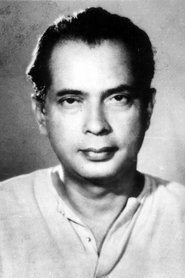
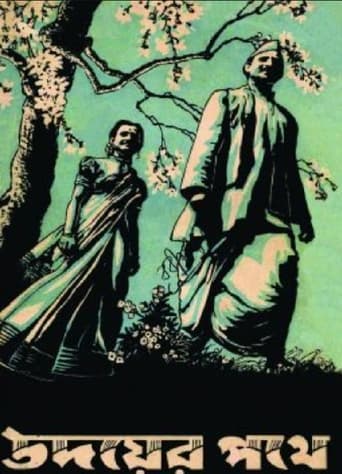
Bimal Roy was one of India's most acclaimed and influential film directors, widely regarded as a pioneer of realistic and socially relevant cinema in India. Born in Dhaka in 1909, Roy began his career as a cameraman at New Theatres in Calcutta before transitioning to directing with his debut film 'Udayer Pathey' in 1944. He revolutionized Indian cinema by introducing neo-realist techniques influenced by Italian cinema, focusing on the struggles of common people and addressing pressing social issues like poverty, caste discrimination, and rural-urban migration. Roy's masterpiece 'Do Bigha Zamin' (1953) won international acclaim at the Cannes Film Festival, establishing Indian cinema on the global stage. Throughout his career, he directed numerous classics including 'Madhumati,' 'Sujata,' and 'Bandini,' working with the biggest stars of Indian cinema while maintaining his distinctive humanistic approach. Despite his success, Roy remained humble and dedicated to his craft until his death in 1966, leaving behind a legacy that Indian filmmakers decades later.
The Craft
Behind the Camera
Bimal Roy was renowned for his realistic and humanistic approach to filmmaking, often described as the father of Indian neo-realism. His directing style emphasized naturalistic performances, location shooting rather than studio sets, and minimal use of makeup to maintain authenticity. Roy's films typically featured working-class protagonists and addressed pressing social issues without being preachy or melodramatic. He was known for his meticulous attention to detail, patient storytelling, and ability to extract subtle, nuanced performances from his actors. His visual style was influenced by Italian neorealism but adapted to Indian sensibilities, creating a unique cinematic language that balanced artistic merit with popular appeal.
Milestones
- Directed debut film 'Udayer Pathey' (1944) which established his reputation
- Won International Prize at Cannes for 'Do Bigha Zamin' (1953)
- Founded Bimal Roy Productions in 1952
- Directed the classic reincarnation film 'Madhumati' (1958)
- Received Dadasaheb Phalke Award (1965), India's highest cinema honor
- Pioneered realistic, socially conscious cinema in India
Best Known For
Must-See Films
Accolades
Won
- Filmfare Award for Best Director for Madhumati (1958)
- Filmfare Award for Best Director for Sujata (1959)
- National Film Award for Best Feature Film for Do Bigha Zamin (1953)
- International Prize at Cannes Film Festival for Do Bigha Zamin (1953)
- Dadasaheb Phalke Award (1965)
- Padma Shri (1959)
Nominated
- Filmfare Award for Best Director for Bandini (1963)
- Filmfare Award for Best Director for Devdas (1955)
- Filmfare Award for Best Director for Biraj Bahu (1954)
- Filmfare Award for Best Director for Yahudi (1958)
- Filmfare Award for Best Director for Naukri (1954)
Special Recognition
- Padma Shri (1959) - India's fourth highest civilian award
- Dadasaheb Phalke Award (1965) - India's highest award in cinema
- Bimal Roy Memorial Film Society established in his honor
- Multiple retrospectives at international film festivals
- Postage stamp issued by India Post in his honor
Working Relationships
Worked Often With
Studios
Why They Matter
Impact on Culture
Bimal Roy fundamentally transformed Indian cinema by introducing realism, social consciousness, and artistic integrity to mainstream filmmaking. His films broke away from the escapist fantasies that dominated Indian cinema, instead addressing real social issues like poverty, landlessness, caste discrimination, and women's emancipation. Roy's work at international film festivals brought unprecedented recognition to Indian cinema, proving that Indian films could compete on the global stage while maintaining their cultural identity. His realistic style influenced an entire generation of filmmakers and paved the way for the Indian parallel cinema movement of the 1970s and 1980s. Many of his films became cultural touchstones, with songs and dialogues that remain part of popular culture decades later.
Lasting Legacy
Bimal Roy's legacy endures as. His films continue to be studied in film schools worldwide and are regularly featured in retrospectives at major international film festivals. The Bimal Roy Memorial Film Society works to preserve his films and promote meaningful cinema inspired by his vision. Many of his techniques and themes have become standard in Indian cinema, and his influence can be seen in the work of contemporary directors addressing social issues. Roy's ability to balance artistic merit with commercial success created a template that continues to inspire filmmakers seeking to make meaningful cinema without sacrificing popular appeal.
Who They Inspired
Bimal Roy's influence extends across generations of Indian and international filmmakers. Satyajit Ray, India's most celebrated director, considered Roy a mentor and friend, while Guru Dutt and Raj Kapoor incorporated elements of Roy's realistic style into their own work. Later directors like Shyam Benegal, Govind Nihalani, and Mani Ratnam have acknowledged Roy's influence on their approach to socially relevant cinema. Internationally, filmmakers like Jean Renoir and François Truffaut admired Roy's work, with Truffaut particularly praising his ability to blend social commentary with entertainment. Roy's technique of using non-professional actors, shooting on location, and addressing social issues became foundational for the Indian New Wave cinema of the 1970s. His influence can also be seen in contemporary parallel cinema movements across South Asia.
Off Screen
Bimal Roy was known as a humble, soft-spoken, and deeply principled individual despite his immense success in the film industry. He married Manobina Roy, and they had four children together. Roy maintained a simple lifestyle and was known for his generosity towards his cast and crew, often helping struggling artists. He was a close friend of fellow widely cited director Satyajit Ray, and the two would regularly discuss cinema and share ideas. Roy was also a photography enthusiast and enjoyed capturing everyday life through his camera lens. Despite battling cancer in his final years, he continued working on films until shortly before his death at age 56.
Education
Studied at University of Calcutta
Family
- Manobina Roy (married until his death in 1966)
Did You Know?
- Started his career as a cameraman at New Theatres in Calcutta
- Do Bigha Zamin was inspired by Vittorio De Sica's 'Bicycle Thieves'
- First Indian director to win an international award at Cannes Film Festival
- Madhumati was one of the first Indian films to deal with reincarnation
- Discovered and mentored many future directors including Hrishikesh Mukherjee
- Known for shooting on location rather than in studios to maintain realism
- Never used makeup on his actors to achieve naturalistic performances
- His films often featured working-class protagonists as heroes
- Was a close friend of Satyajit Ray and they regularly discussed cinema
- Died at age 56 after battling cancer for several years
- Established Bimal Roy Productions in 1952 to have creative control
- His daughter Rinki Roy Bhattacharya became a noted film critic and journalist
In Their Own Words
Cinema should reflect society, not escape from it
I make films about people I know and problems I understand
The camera should be a window to reality, not a mirror to fantasy
Every frame should tell a story, every character should have a soul
Realism in cinema is not about showing poverty, it's about showing truth
Frequently Asked Questions
Who was Bimal Roy?
Bimal Roy was one of India's most acclaimed film directors, known as a pioneer of realistic and socially relevant cinema. He directed classics like Do Bigha Zamin and Madhumati, and was instrumental in bringing Indian cinema to international recognition through his neo-realist filmmaking approach.
What films is Bimal Roy best known for?
Titles linked here include Do Bigha Zamin (1953), Madhumati (1958).
When was Bimal Roy born and when did he die?
Born July 12, 1909; died January 8, 1966.
What awards did Bimal Roy win?
Bimal Roy won numerous prestigious awards including the Dadasaheb Phalke Award (1965), Padma Shri (1959), two Filmfare Awards for Best Director, the National Film Award for Do Bigha Zamin, and the International Prize at the Cannes Film Festival for the same film.
What was Bimal Roy's directing style?
Bimal Roy's directing style was characterized by realism, humanism, and social consciousness. He pioneered neo-realist cinema in India, using naturalistic performances, location shooting, and minimal makeup. His films focused on working-class protagonists and addressed social issues while maintaining artistic integrity and popular appeal.
How did Bimal Roy influence Indian cinema?
Bimal Roy revolutionized Indian cinema by introducing realism and social themes to mainstream filmmaking. He proved that socially relevant films could be both critically acclaimed and commercially successful, paving the way for parallel cinema in India. His work brought international recognition to Indian cinema and influenced generations of filmmakers including Satyajit Ray and later parallel cinema directors.
Did Bimal Roy work with famous actors?
Yes, Bimal Roy worked with the biggest stars of Indian cinema including Dilip Kumar, Meena Kumari, Balraj Sahni, Sunil Dutt, and Nutan. He was known for extracting nuanced, realistic performances from these actors, often different from their typical glamorous roles.