
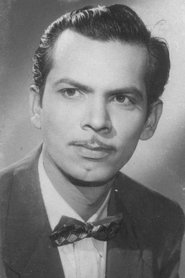
Johnny Walker
Actor
Born: November 11, 1926 in Indore, Central Provinces and Berar, British India Died: July 29, 2003 Active: 1951-1988 Birth Name: Badruddin Jamaluddin Kazi
Films
5 films
About Johnny Walker
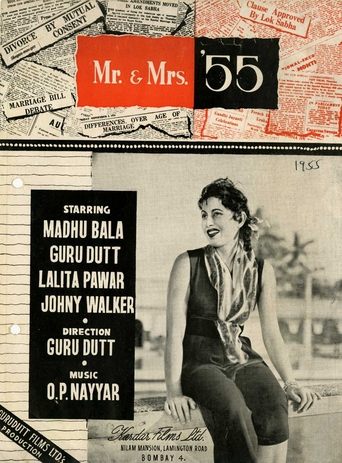
Johnny Walker, born Badruddin Jamaluddin Kazi, was one of Indian cinema's most beloved comic actors who rose to prominence during the golden age of Hindi cinema. He began his career as a bus conductor in Bombay before being discovered by actor Balraj Sahni, who recommended him to director Guru Dutt. Walker's breakthrough came in Guru Dutt's 'Baazi' (1951), which established his signature style of drunken comedy that audiences adored. Throughout the 1950s and 1960s, he appeared in over 300 films, creating memorable comic characters that often served as perfect foils to the leading heroes. His partnership with Guru Dutt resulted in some of cinema's most comic performances in films like 'Aar Paar', 'Pyaasa', and 'Mr. & Mrs. '55'. Despite being typecast as a comedian, Walker brought depth and humanity to his roles, often playing the philosophical drunk who delivered social commentary through humor. His four decades, though he gradually reduced his appearances in the 1970s and 1980s as comedy styles in Hindi cinema evolved.
The Craft
On Screen
Johnny Walker perfected the art of the 'philosophical drunk' character, combining slurred speech, unsteady movements, and impeccable comic timing. His signature style involved playing slightly inebriated characters who, despite their apparent lack of sobriety, delivered sharp social commentary and witty observations about life. Walker's comedy was never slapstick or vulgar; instead, it relied on subtle facial expressions, perfect timing, and the ability to find humor in everyday situations. He had a unique talent for making audiences laugh while simultaneously making them think, often using his comic persona to critique social norms and hypocrisies.
Milestones
- Discovered by Balraj Sahni while working as a bus conductor
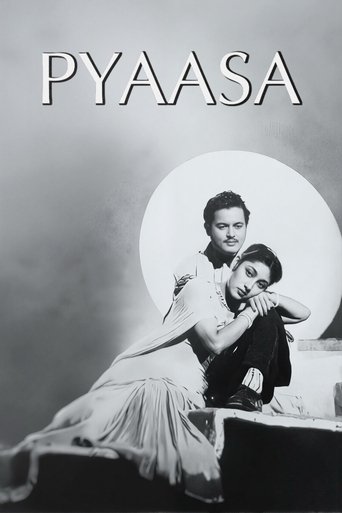
- Iconic performance in 'Pyaasa' (1957) as the street poet
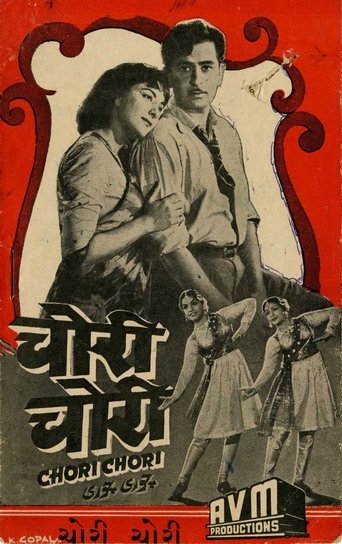
- Memorable comic roles in 'Chori Chori' (1956) and 'Naya Daur' (1957)
- Long collaboration with Guru Dutt spanning multiple classics
- Over 300 film appearances in a career spanning nearly four decades
Best Known For
Iconic Roles
Must-See Films
Accolades
Won
- Filmfare Award for Best Comedian for 'Shikar' (1968)
- Filmfare Award for Best Comedian for 'Anokhi Raat' (1968)
Nominated
- Filmfare Award for Best Comedian - 'Padosan' (1968)
- Filmfare Award for Best Comedian - 'Johar Mehmood in Goa' (1965)
Special Recognition
- Remembered as one of Hindi cinema's greatest comedians
- Honored at various film festivals for contributions to Indian cinema
- Posthumously celebrated in retrospectives of classic Hindi cinema
Working Relationships
Worked Often With
Studios
Why They Matter
Impact on Culture
Johnny Walker revolutionized comic acting in Hindi cinema by elevating the comedian from mere comic relief to an integral part of the narrative. His characters often served as the voice of common people, using humor to comment on social issues and political situations. Walker's portrayal of the 'thinking drunk' created a new archetype in Indian cinema that combined entertainment with social consciousness. His influence extended beyond films; his style of comedy, catchphrases, and mannerisms became part of popular culture, with many of his dialogues becoming everyday expressions. He demonstrated that comedy could be both entertaining and meaningful, paving the way for more nuanced comic performances in Indian cinema.
Lasting Legacy
Johnny Walker's legacy endures as. His films continue to be celebrated and studied for their artistic merit, with his performances often cited as examples of perfect comic timing and characterization. Walker proved that comedians could be serious artists, bringing dignity and depth to roles that might otherwise have been one-dimensional. His work continues to influence new generations of actors and comedians, and his films remain popular among classic cinema enthusiasts. Many contemporary actors cite him as an inspiration for their own comic performances, and his contribution to establishing comedy as a respected art form in Hindi cinema remains unparalleled.
Who They Inspired
Johnny Walker's influence on Indian cinema extends far beyond his own performances. He established a template for sophisticated comedy that balanced humor with social commentary, influencing countless comedians who followed. His ability to maintain dignity while playing comic characters inspired actors to approach comedy as serious art. Walker's success demonstrated that supporting actors could achieve stardom based purely on talent, opening doors for many character actors. His unique style of delivery, timing, and characterization continues to be studied in acting schools, and his approach to comedy as a vehicle for social commentary has influenced filmmakers across generations. Many modern Indian comedians acknowledge his impact on their work, particularly his ability to make audiences laugh while making them think.
Off Screen
Johnny Walker led a relatively private personal life despite his public fame. He married Noorjahan in 1955, and the couple had three sons and three daughters. His family life was marked by traditional values, and he maintained a balance between his film career and family responsibilities. Walker was known for his simplicity and humility, often surprising colleagues with his down-to-earth nature despite his stardom. In his later years, he faced financial difficulties but was supported by friends from the film industry. He passed away in 2003 after a prolonged illness, leaving behind a rich legacy of comic performances.
Education
Limited formal education due to family circumstances after moving to Bombay during childhood
Family
- Noorjahan (1955-2003)
Did You Know?
- Worked as a bus conductor in Bombay before entering films
- His stage name 'Johnny Walker' was inspired by the famous whiskey brand
- Never consumed alcohol in real life despite playing drunk characters on screen
- Was discovered when Balraj Sahni noticed his comedic talent during a bus ride
- Charged Rs. 1,000 per film in his early career, later becoming one of the highest-paid comedians
- His famous line 'Sar jo tera chakraye' from 'Pyaasa' became a cultural phenomenon
- Was offered lead roles but preferred playing comic characters
- Known for his punctuality and professionalism on film sets
- Maintained a diary of jokes and comic situations throughout his career
- His son later attempted to enter films but couldn't achieve the same success
- Was a close friend of Guru Dutt and was deeply affected by his death
In Their Own Words
Sar jo tera chakraye, ya dil dooba jaye, aaraam ke liye ye poshish hai, doston, aaraam ke liye (From 'Pyaasa')
Main sharabi nahi hoon, main toh mast hoon, zindagi ka maza le raha hoon (Common dialogue variation)
Hum toh rang badalte rahte hain, zamane ke rangon mein (Reflecting on his versatile roles)
Comedy is serious business. One wrong timing and the whole thing falls flat (On his craft)
I never drank in my life, but I had to act drunk for 30 years (About his famous roles)
Frequently Asked Questions
Who was Johnny Walker?
Screen credits include over 300 Hindi films from 1951 to 1988. Born Badruddin Jamaluddin Kazi, he was famous for his portrayal of philosophical drunk characters and his impeccable comic timing, particularly in films directed by Guru Dutt.
What films is Johnny Walker best known for?
Titles linked here include Pyaasa (1957), Aar Paar (1954).
When was Johnny Walker born and when did he die?
Born November 11, 1926; died July 29, 2003.
What awards did Johnny Walker win?
Johnny Walker won two Filmfare Awards for Best Comedian - for 'Shikar' (1968) and 'Anokhi Raat' (1968). He was also nominated for his performances in films like 'Padosan' and 'Johar Mehmood in Goa'.
What was Johnny Walker's acting style?
Johnny Walker perfected the art of playing philosophical drunk characters, combining slurred speech with sharp social commentary. His comedy was subtle and sophisticated, relying on perfect timing, facial expressions, and witty dialogue rather than slapstick. Despite appearing inebriated on screen, he never drank alcohol in real life.
How did Johnny Walker get discovered?
What was Johnny Walker's real name?
Johnny Walker's birth name was Badruddin Jamaluddin Kazi. He adopted the stage name 'Johnny Walker' at Guru Dutt's suggestion, inspired by the famous whiskey brand, as he often played drunk characters on screen.
What was Johnny Walker's relationship with Guru Dutt?
Johnny Walker shared a close professional and personal relationship with director-actor Guru Dutt, who discovered and mentored him. Their collaboration produced some of Indian cinema's most iconic comic performances in films like 'Baazi', 'Aar Paar', 'Pyaasa', and 'Mr. & Mrs. '55'.