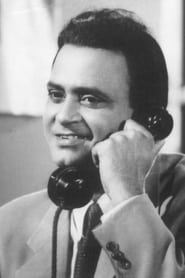
Abhi Bhattacharya
Actor
Born: 1921 in Calcutta, Bengal Presidency, British India (now Kolkata, West Bengal, India) Died: December 20, 1993 Active: 1952-1988 Birth Name: Abhirup Bhattacharya
Films
2 films
About Abhi Bhattacharya
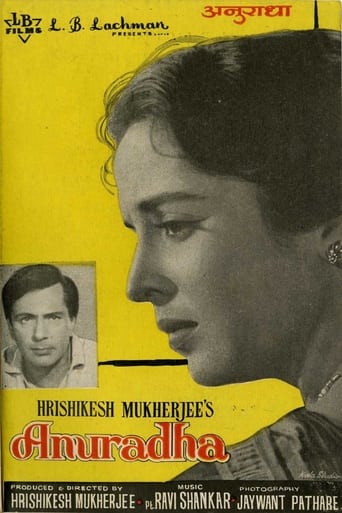
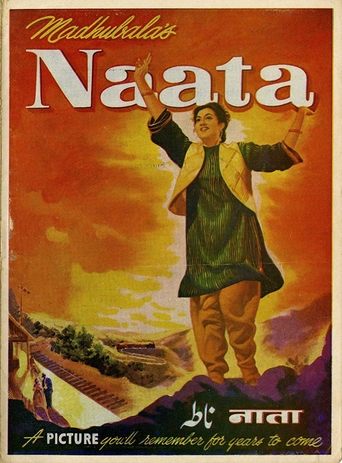
Made significant contributions to Hindi and Bengali cinema during the mid-20th century. Born in Calcutta in 1921, he began his career in the early 1950s and quickly established himself as a reliable character actor known for his versatility and depth. His breakthrough came with supporting roles in socially relevant films that addressed contemporary issues, with Naata (1955) being one of his early notable performances. Bhattacharya's career reached new heights with his role in the critically acclaimed Anuradha (1960), directed by Hrishikesh Mukherjee, which won the National Film Award for Best Feature Film. Throughout the 1960s and 1970s, he appeared in numerous successful films, often playing paternal figures, authority figures, or complex character roles that required emotional range. He worked with some of the most respected directors of his time, including Bimal Roy, Satyajit Ray, and Raj Kapoor. His performances were marked by naturalism and subtlety, bringing authenticity to every character he portrayed. Bhattacharya continued acting until the late 1980s, leaving behind a legacy of memorable performances that contributed significantly to Indian cinema's golden era.
The Craft
On Screen
Known for his naturalistic and understated acting approach, Abhi Bhattacharya brought authenticity to his character roles through subtle expressions and measured dialogue delivery. His style was marked by emotional depth without melodrama, making him particularly effective in portraying complex human emotions and social dilemmas. He had the ability to transform completely into his characters, whether playing authoritative figures, concerned parents, or conflicted individuals, always maintaining a believable presence on screen.
Milestones
- Breakthrough role in Naata (1955)
- Critically acclaimed performance in Anuradha (1960)
- Work with legendary directors like Satyajit Ray and Hrishikesh Mukherjee
- Successful transition from Bengali to Hindi cinema
- Recognition for natural acting style in character roles
Best Known For
Iconic Roles
Must-See Films
Accolades
Won
- BFJA Award for Best Supporting Actor for Anuradha (1960)
Nominated
- Filmfare Award nomination for Best Supporting Actor for Satyakam (1969)
Special Recognition
- Recognized as one of Indian cinema's most reliable character actors
- Posthumous tribute at various film festivals for his contribution to parallel cinema
Working Relationships
Worked Often With
Studios
Why They Matter
Impact on Culture
Abhi Bhattacharya played a significant role in bridging the gap between parallel cinema and mainstream Hindi cinema during the 1950s-1970s. His performances in socially relevant films helped bring serious themes to mainstream audiences while maintaining commercial viability. As a Bengali actor who successfully established himself in Hindi cinema, he paved the way for other regional actors to work across different film industries. His naturalistic acting style influenced a generation of character actors who moved away from theatrical performances toward more realistic portrayals.
Lasting Legacy
Abhi Bhattacharya's legacy lies in his contribution to creating more nuanced and realistic character roles in Indian cinema. He demonstrated that supporting actors could be as crucial to a film's success as the leads, bringing depth and credibility to every project. His work in films like Anuradha continues to be studied in film schools as examples of perfect character acting. He remains respected as.
Who They Inspired
His natural acting style influenced many younger actors who moved away from the melodramatic performances common in earlier Indian cinema. He showed that subtlety and restraint could be more powerful than overt emotional displays. His success in both Bengali and Hindi cinema inspired many regional actors to pursue careers in multiple film industries. Many contemporary character actors cite his work as inspiration for their approach to supporting roles.
Off Screen
Abhi Bhattacharya led a relatively private life away from the glamour of Bollywood. He was known for his intellectual pursuits and was well-read in both Bengali and English literature. Despite his success in Hindi cinema, he maintained strong ties to his Bengali roots and often returned to Calcutta for Bengali film projects. He was respected in the film industry for his professionalism and dedication to his craft, often mentoring younger actors who sought his guidance.
Education
Graduated from University of Calcutta with a degree in Literature; also received formal training in dramatic arts from a local theater group in Calcutta
Family
- Chitra Bhattacharya (married 1948 until his death in 1993)
Did You Know?
- Was originally named Abhirup Bhattacharya but shortened it to Abhi for film credits
- Started his career as a stage actor in Calcutta's theater scene before moving to films
- Fluent in Bengali, Hindi, and English, which helped him work across different film industries
- Often played characters older than his actual age due to his mature appearance
- Was offered a teaching position at the Film and Television Institute of India but declined to focus on acting
- Maintained a library of over 2000 books at his home in Mumbai
- Never won a Filmfare Award despite several memorable performances
- Was a close friend of director Bimal Roy and appeared in many of his films
- Turned down several lead roles preferring to play character parts
- His performance in Anuradha was reportedly done in just three takes
In Their Own Words
Acting is not about becoming someone else, it's about finding the truth within yourself that connects to the character
In supporting roles, you have less time but more responsibility to make the story believable
Cinema should reflect society, not just entertain it
The best actors are those who make the audience forget they are watching a performance
Frequently Asked Questions
Who was Abhi Bhattacharya?
What films is Abhi Bhattacharya best known for?
When was Abhi Bhattacharya born and when did he die?
Born 1921; died December 20, 1993.
What awards did Abhi Bhattacharya win?
Abhi Bhattacharya won the BFJA Award for Best Supporting Actor for his performance in Anuradha (1960). He was also nominated for a Filmfare Award for Best Supporting Actor for Satyakam (1969). While he didn't receive many formal awards, he was widely recognized as one of Indian cinema's most reliable character actors.
What was Abhi Bhattacharya's acting style?
Abhi Bhattacharya was known for his naturalistic and understated acting style, characterized by subtle expressions and measured dialogue delivery. He brought authenticity to his roles through emotional depth without melodrama, making him particularly effective in portraying complex human emotions and social dilemmas.