
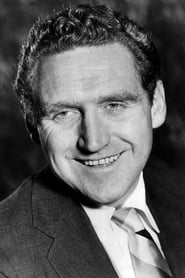
James Whitmore
Actor
Born: October 1, 1921 in White Plains, New York, USA Died: February 6, 2009 Active: 1949-2009 Birth Name: James Allen Whitmore Jr.
Films
1 film
About James Whitmore
American character actor: remarkable over five decades, from the late 1940s until his death in 2009. Born in White Plains, New York, he served as a Marine Corps pilot during World War II before attending Yale University, where he discovered his passion for acting. Whitmore made his Broadway debut in 1947 and quickly rose to prominence, winning a Tony Award for his role in 'Command Decision' (1948). He transitioned to Hollywood films, establishing himself as a versatile character actor capable of playing both sympathetic and menacing roles. Throughout his career, he appeared in over 100 films and television shows, including notable performances in 'The Asphalt Jungle' (1950), 'Them!' (1954), and 'The Shawshank Redemption' (1994). He received an Academy Award nomination for Best Actor for his one-man show portrayal of Harry S. Truman in 'Give 'em Hell, Harry!' (1975). Whitmore continued working well into his 80s, maintaining his reputation as one of Hollywood's most reliable and respected character actors until his death from lung cancer in 2009.
The Craft
On Screen
Whitmore was known for his naturalistic, understated acting style that brought authenticity and depth to every character he portrayed. He had a remarkable ability to transform himself completely into his roles, whether playing tough authority figures, sympathetic everymen, or historical personalities. His performances were characterized by meticulous preparation, emotional honesty, and a distinctive gravelly voice that became his trademark. Whitmore excelled at conveying complex emotions through subtle facial expressions and body language rather than grand gestures.
Milestones
- Tony Award for 'Command Decision' (1948)
- Academy Award nomination for 'Give 'em Hell, Harry!' (1975)
- Emmy Award for 'The Practice' (1977)
- Golden Globe nomination for 'The Shawshank Redemption' (1994)
- Narrated 'Man Belongs to the Earth' (1974)
- Star on Hollywood Walk of Fame
Best Known For
Iconic Roles
Must-See Films
Accolades
Won
- Tony Award for Best Featured Actor in a Play - 'Command Decision' (1948)
- Emmy Award for Outstanding Lead Actor in a Drama Series - 'The Practice' (1977)
- Golden Globe for Best Actor in a Motion Picture Musical or Comedy - 'Give 'em Hell, Harry!' (1976)
Nominated
- Academy Award for Best Actor - 'Give 'em Hell, Harry!' (1975)
- Golden Globe for Best Supporting Actor - 'The Shawshank Redemption' (1995)
- Primetime Emmy Award for Outstanding Single Performance by an Actor in a Leading Role - 'The Legend of Lizzie Borden' (1975)
Special Recognition
- Hollywood Walk of Fame Star (1960)
- National Board of Review Award for Best Acting - 'Give 'em Hell, Harry!' (1975)
- Yale Drama School Alumni Award
Working Relationships
Worked Often With
Studios
Why They Matter
Impact on Culture
James Whitmore had a significant impact on American cinema and television through his consistent, high-quality performances across multiple decades. He helped establish the archetype of the reliable character actor who could elevate any production with his presence. His portrayal of Harry S. Truman in 'Give 'em Hell, Harry!' demonstrated the power of one-person theatrical productions in film and influenced subsequent biographical works. Whitmore's environmental advocacy through projects like 'Man Belongs to the Earth' helped bring ecological awareness to mainstream entertainment audiences during the 1970s environmental movement.
Lasting Legacy
James Whitmore's legacy endures through his extensive body of work that showcased the importance of character actors in storytelling. He demonstrated that a successful career in Hollywood didn't require leading man status, but rather talent, versatility, and professionalism. His performances continue to be studied by acting students for their subtlety and authenticity. The role of Brooks in 'The Shawshank Redemption' remains one of cinema's most poignant supporting performances, introducing Whitmore to new generations of viewers. His commitment to environmental causes through narrating documentaries like 'Man Belongs to the Earth' showed how entertainers could use their platform for social good.
Who They Inspired
Whitmore influenced generations of character actors by demonstrating the value of versatility and reliability in the entertainment industry. His naturalistic acting style, which rejected theatrical affectation in favor of authentic emotional expression, paved the way for more realistic performances in American cinema. Many actors who worked with him cited his professionalism and preparation as inspiration for their own careers. His successful transition from stage to film to television provided a model for actors seeking to work across different media formats.
Off Screen
James Whitmore was married three times and had four children. His first marriage to Nancy Mygatt lasted from 1947 to 1963 and produced three sons. He then married actress Audra Lindley in 1972, but they divorced in 1979. His final marriage to Noreen Nash began in 1979 and lasted until his death. Whitmore was known for his political activism, particularly his support for environmental causes and Democratic candidates. He was also an avid sailor and spent much of his free time on his boat off the California coast.
Education
Yale University, Sheffield Scientific School (graduated 1944) - studied acting at the Yale School of Drama
Family
- Nancy Mygatt (1947-1963)
- Audra Lindley (1972-1979)
- Noreen Nash (1979-2009)
Did You Know?
- Served as a Marine Corps pilot during World War II, flying 56 combat missions
- Was a close personal friend of President Harry S. Truman, which helped him prepare for his one-man show
- His son James Whitmore III became a successful television director
- Was an accomplished sailor who owned several boats throughout his life
- Appeared in over 100 films and television shows during his career
- Was nominated for both an Oscar and a Tony in the same year (1975)
- His distinctive gravelly voice was often used for narration work
- Was an early environmental activist and supporter of conservation causes
- Taught acting classes at the Actors Studio in New York
- Once performed his one-man show as Harry S. Truman for President Jimmy Carter at the White House
In Their Own Words
I've never been a star, but I've always worked. That's what matters to me.
The best actors are those who disappear into their roles and make you forget they're acting.
Playing Truman was the greatest challenge of my career because I had to become a man I admired so much.
Character actors are the foundation of every good story. We're the mortar that holds the bricks together.
Frequently Asked Questions
Who was James Whitmore?
American character with credits in this catalog. He was particularly celebrated for his naturalistic acting style and memorable roles in films like 'The Shawshank Redemption' and 'The Asphalt Jungle'.
What films is James Whitmore best known for?
Titles linked here include The Shawshank Redemption (1994), The Asphalt Jungle (1950).
When was James Whitmore born and when did he die?
Born October 1, 1921; died February 6, 2009.
What awards did James Whitmore win?
Whitmore won a Tony Award for 'Command Decision' (1948), an Emmy Award for 'The Practice' (1977), and a Golden Globe for 'Give 'em Hell, Harry!' (1976). He also received an Academy Award nomination for Best Actor for his portrayal of Harry S. Truman.
What was James Whitmore's acting style?
Whitmore was known for his naturalistic, understated acting style characterized by emotional authenticity and meticulous preparation. He excelled at transforming into diverse characters through subtle expressions and his distinctive gravelly voice, avoiding theatrical affectation in favor of realistic performances.
Did James Whitmore serve in the military?
Yes, James Whitmore served as a Marine Corps pilot during World War II, flying 56 combat missions. His military service profoundly influenced his character and later acting career.
What was James Whitmore's connection to environmental causes?
Whitmore — early environmental advocate who used his celebrity status to promote conservation. He notably narrated the documentary 'Man Belongs to the Earth' (1974) and participated in various environmental campaigns throughout his life.