Zoltan Korda
Director
Born: October 3, 1895 in Pusztaújlak, Austria-Hungary Died: January 23, 1961 Active: 1920s-1950s Birth Name: Zoltan Kellner
Films
1 film
About Zoltan Korda
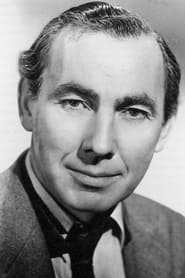
Hungarian-born filmmaker who became one of the key directors and producers associated with British cinema in the 1930s and 1940s. Born in Pusztaújlak, Hungary, he entered the film business alongside his brothers Alexander and Vincent Korda, all of whom helped shape international film production in Europe and Britain. After early work in Hungarian and then German and British cinema, he established himself as a director with a strong sense of visual spectacle and adventure storytelling, often working on films that blended exotic settings, action, and broad popular appeal. He is especially remembered for his collaboration with his brother Alexander Korda and for directing major productions such as The Four Feathers, The Drum, The Thief of Bagdad, Sahara, and Cry, the Beloved Country. His 1942 adaptation The Jungle Book is one of his most enduringly famous works, notable for its lavish production values and use of Technicolor adventure imagery. Korda spent much of his career outside Hollywood, working in Britain and on internationally oriented productions that brought a cosmopolitan scale to British filmmaking. He died in 1961, leaving behind a legacy as accomplished directors of British studio-era adventure cinema.
The Craft
Behind the Camera
Korda's directing style was by visual polish, large-scale production design, and a strong emphasis on exotic or dramatic settings. He favored adventure narratives, literary adaptations, and stories with clear emotional stakes, often presenting them with a stately, confident pacing suited to prestige filmmaking. His films frequently relied on atmosphere, scenery, costume, and spectacle as much as performance, reflecting the internationalist ambitions of the Korda production tradition. He was especially adept at handling action, travel, and colonial-adventure material, giving these works a sense of grandeur that helped define British cinematic ambition in the period.
Milestones
- Became part of the influential Korda filmmaking family, which played a major role in international and British cinema
- Directed The Four Feathers, helping define the British imperial adventure film in the prewar era
- Co-directed or was closely associated with major prestige productions under the Korda production umbrella, including The Thief of Bagdad and The Drum
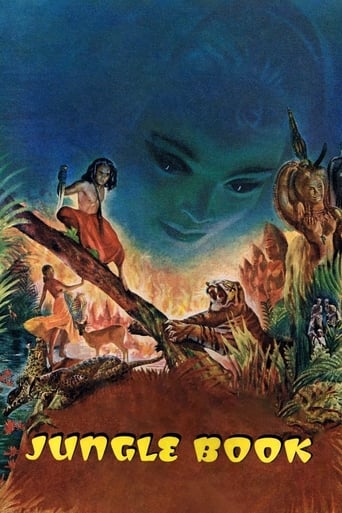
- Directed The Jungle Book (1942), a major Technicolor adventure production based on Rudyard Kipling
- Directed Cry, the Beloved Country (1951), an important literary adaptation with strong social and political resonance
- Helped elevate British studio filmmaking through large-scale, visually ambitious productions with international settings
Best Known For
Must-See Films
Working Relationships
Worked Often With
Studios
Why They Matter
Impact on Culture
Zoltan Korda helped establish the prestige adventure film as a major strand of British cinema, proving that British productions could compete visually and narratively with Hollywood on an international scale. His work on films like The Four Feathers, The Drum, and The Jungle Book contributed to a cycle of imperial and exotic adventure pictures that were hugely influential in mid-century popular cinema. He also played an important role in the development of large-budget British filmmaking through the Korda production network, which brought together European talent, ambitious source material, and expansive production design. In historical terms, his films reflect both the strengths and the ideological tensions of their era, especially in the ways they depict empire, travel, and racial or colonial themes.
Lasting Legacy
Korda's legacy lies in his contribution to the golden age of British studio filmmaking and his ability to deliver polished, internationally marketable adventure cinema. He remains best remembered for films that combined literary prestige with spectacle, helping set a standard for adventure adaptations that remained influential for decades. His 1942 Jungle Book in particular remains a notable example of early Technicolor fantasy-adventure production outside Hollywood. Film historians often view him as part of the larger Korda achievement: a family network that helped transform British cinema into an industry capable of major global ambition.
Who They Inspired
Korda influenced later directors and producers interested in large-scale adventure, literary adaptation, and international co-production models. His films showed how British cinema could use location, costume, and production design to create a sense of epic scope, influencing subsequent prestige adventure pictures in Britain and beyond. His handling of Kipling and other literary material also helped normalize the idea of adapting high-profile books into sophisticated popular entertainments. Directors working in the British commercial tradition, especially those drawn to adventure and historical spectacle, inherited elements of the Korda approach to scale and visual storytelling.
Off Screen
Zoltan Korda came from a prominent filmmaking family and worked closely with his brothers Alexander and Vincent, whose combined influence was central to his career. Unlike many contemporary stars and directors, his public profile was shaped more by production work and film craft than by celebrity persona, and relatively little is commonly emphasized about his private domestic life in standard film histories. He was born in Hungary and later worked largely in Britain, becoming part of the broader émigré and transnational film culture that shaped European and British cinema between the wars. Available sources do not consistently document extensive personal details such as marriages or children, so those aspects are not reliably confirmed here.
Education
Educational background is not well documented in standard film-reference sources.
Did You Know?
- He was one of three filmmaking brothers: Alexander, Zoltan, and Vincent Korda.
- His family name at birth was Kellner; he later became known professionally as Korda.
- He is especially associated with British adventure cinema rather than Hollywood studio filmmaking.
- The Jungle Book (1942) is one of the best-known Technicolor adventure films of its era.
- He often worked on productions that mixed prestige literary material with popular entertainment.
- His career is closely tied to the rise of London Films and the Korda production empire.
- Cry, the Beloved Country connected his career to serious social and political subject matter as well as spectacle.
- He was part of the transnational movement of European filmmakers who shaped British cinema in the interwar and wartime years.
Frequently Asked Questions
Who was Zoltan Korda?
Hungarian-born on YTB.my. He is best known for elegant, large-scale adventure films and literary adaptations made during the 1930s and 1940s.
What films is Zoltan Korda best known for?
Titles linked here include The Four Feathers (1939), The Drum (1938).
When was Zoltan Korda born and when did he die?
Born October 3, 1895; died January 23, 1961.
What awards did Zoltan Korda win?
No major awards or formal honors are consistently documented in standard reference sources for Zoltan Korda. His reputation rests more on the enduring significance and popularity of his films than on prize recognition.
What was Zoltan Korda's directing style?
His directing style emphasized visual spectacle, strong production design, and adventurous storytelling. He often worked with exotic settings, literary sources, and large-scale narratives that gave his films a sense of prestige and international reach.
What was Zoltan Korda's legacy in film history?
Korda helped establish the British prestige adventure film as a major international genre. His work demonstrated that British cinema could produce visually ambitious, globally appealing productions on a scale comparable to Hollywood.
Was Zoltan Korda related to other filmmakers?
Yes, he was the brother of Alexander Korda and Vincent Korda, both important figures in film production and design. The Korda brothers together formed.