
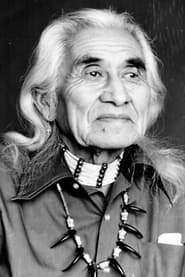
Chief Dan George
Actor
Born: July 24, 1899 in Burrard Indian Reserve No. 3, North Vancouver, British Columbia, Canada Died: August 23, 1981 Active: 1970-1981 Birth Name: Geswanouth Slahoot
Films
1 film
About Chief Dan George
Chief Dan George, born Geswanouth Slahoot, was a prominent Indigenous Canadian actor, poet, and cultural leader who began his acting career in his late 60s, defying conventional age barriers in Hollywood. Before his acting debut, he served as chief of the Tsleil-Waututh Nation (Burrard Indian Band) from 1951 to 1963, dedicating his early life to tribal leadership and cultural preservation. His breakthrough role came in 1970 with Arthur Penn's 'Little Big Man,' where his portrayal of Old Lodge Skins earned him an Academy Award nomination for Best Supporting Actor, making him one of the first Indigenous actors to receive such recognition. Throughout the 1970s, he appeared in numerous films and television productions, becoming a powerful symbol of Indigenous representation in mainstream cinema. His dignified presence and authentic portrayal of Native American characters challenged stereotypes and opened doors for future Indigenous performers in Hollywood. Beyond acting, he was a respected poet and activist, using his platform to advocate for Indigenous rights and cultural understanding until his death in 1981.
The Craft
On Screen
Known for his profound dignity, naturalistic delivery, and authentic portrayal of Indigenous wisdom. His acting style emphasized quiet strength and emotional depth, often conveying complex emotions through subtle facial expressions and measured speech. He brought genuine cultural authenticity to his roles, drawing from his lived experience as a tribal leader and Indigenous elder.
Milestones
- Academy Award nomination for Little Big Man (1970)
- Chief of Tsleil-Waututh Nation (1951-1963)
- Published poetry collection 'My Heart Soars' (1974)
- Order of Canada recipient (1971)
- Groundbreaking Indigenous representation in Hollywood
Best Known For
Iconic Roles
Must-See Films
Accolades
Won
- Order of Canada (1971)
- National Indian Achievement Award (1972)
- British Columbia Entertainment Hall of Fame (inducted posthumously)
Nominated
- Academy Award for Best Supporting Actor - Little Big Man (1970)
- Golden Globe Award for Best Supporting Actor - Little Big Man (1970)
- BAFTA Award for Most Promising Newcomer to Leading Film Roles - Little Big Man (1970)
Special Recognition
- Order of Canada (Officer level)
- Canadian Walk of Fame star
- Chief Dan George Centre for Indigenous Education named in his honor
Working Relationships
Worked Often With
Studios
Why They Matter
Impact on Culture
Chief Dan George revolutionized the representation of Indigenous peoples in mainstream cinema, breaking away from stereotypical portrayals that had dominated Hollywood for decades. His dignified, authentic performances challenged audiences to see Indigenous characters as complex human beings rather than caricatures. He became a cultural bridge between Indigenous traditions and mainstream society, using his celebrity status to advocate for Indigenous rights and environmental causes. His work helped pave the way for greater Indigenous representation in film and television, inspiring a new generation of Indigenous performers to tell their own stories on screen.
Lasting Legacy
Chief Dan George's legacy extends far beyond his filmography, encompassing his contributions to Indigenous rights advocacy, poetry, and cultural preservation. He demonstrated that age is no barrier to artistic achievement, beginning his acting career in his 70s and achieving international recognition. His Oscar nomination for 'Little Big Man' remains a landmark moment in cinema history, representing a breakthrough for Indigenous performers in Hollywood. Schools, cultural centers, and scholarships continue to bear his name, ensuring his influence on both Indigenous communities and the broader cultural landscape endures for future generations.
Who They Inspired
Chief Dan George influenced subsequent generations of Indigenous actors by proving that authentic representation was possible and commercially viable in mainstream cinema. His success opened doors for performers like Graham Greene, Tantoo Cardinal, and Adam Beach to pursue careers in Hollywood. Directors and producers began seeking Indigenous actors for authentic roles rather than casting non-Indigenous performers in redface. His approach to acting—drawing from real cultural experience rather than theatrical stereotypes—became a model for authentic cultural representation in film that continues to influence casting practices today.
Off Screen
Chief Dan George married Amy Kwan in 1920 and remained with her until her death in 1974. Together they had nine children, many of whom became involved in cultural and community work. He was a devout Christian who successfully blended his Indigenous spirituality with his faith, serving as a lay preacher in his community. After retiring from his role as tribal chief, he worked various jobs including longshoreman and construction worker before discovering acting in his late 60s.
Education
Limited formal education due to residential school system; largely self-taught through oral traditions and life experience
Family
- Amy Kwan (1920-1974)
Did You Know?
- Didn't begin his acting career until age 69
- Was a tribal chief for 12 years before becoming an actor
- His birth name Geswanouth Slahoot means 'Thunder Coming Up Over the Water'
- Spoke English with a distinctive accent that he maintained throughout his acting career
- Worked as a longshoreman and construction worker before acting
- Wrote and published poetry collections including 'My Heart Soars' and 'My Spirit Soars'
- Was a lay preacher in the Anglican Church
- His Oscar nomination made him the first Indigenous actor nominated for an Academy Award
- Refused to take roles that portrayed Indigenous peoples in stereotypical or demeaning ways
- Lived in the same house on the Burrard Indian Reserve his entire life
In Their Own Words
The beauty of the trees, the softness of the air, the fragrance of the grass speaks to me.
I am small and the world is wide, but I have a spirit that is as big as the world.
When you were born, you cried and the world rejoiced. Live your life so that when you die, the world cries and you rejoice.
We have taken so much from your culture, I wish you had taken something from ours.
Frequently Asked Questions
Who was Chief Dan George?
Canadian Indigenous with credits in this catalog. He began acting in his late 60s and earned an Academy Award nomination for his role in 'Little Big Man' (1970).
What films is Chief Dan George best known for?
Titles linked here include Little Big Man (1970), The Outlaw Josey Wales (1976).
When was Chief Dan George born and when did he die?
Born July 24, 1899; died August 23, 1981.
What awards did Chief Dan George win?
Chief Dan George received an Academy Award nomination for Best Supporting Actor for 'Little Big Man' (1970), making him one of the first Indigenous actors to receive such recognition. He was also appointed an Officer of the Order of Canada in 1971 and received the National Indian Achievement Award in 1972.
What was Chief Dan George's acting style?
Chief Dan George was known for his dignified, naturalistic acting style that emphasized authenticity and emotional depth. He drew from his real-life experience as an Indigenous elder and tribal leader, bringing genuine cultural wisdom to his roles and avoiding stereotypical portrayals of Indigenous peoples.
Was Chief Dan George really a tribal chief?
Yes, Chief Dan George served as chief of the Tsleil-Waututh Nation (Burrard Indian Band) from 1951 to 1963, dedicating over a decade to tribal leadership before beginning his acting career in his late 60s.
How did Chief Dan George impact Indigenous representation in film?
Chief Dan George revolutionized Indigenous representation in cinema by refusing stereotypical roles and bringing authentic dignity to his characters. His success opened doors for future Indigenous actors and helped change Hollywood's approach to casting Indigenous roles, moving away from redface toward authentic representation.