Films
1 film
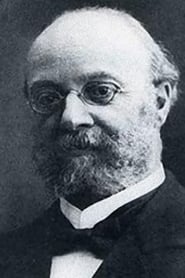
About Rudolf Blümner
Made his mark during the days of German cinema, specifically during the silent film era. His most significant contribution to film history came through his role in the 1915 film 'The Golem' (Der Golem), which was one of the earliest examples of German Expressionist cinema. Blümner's career appears to have been brief but impactful, coinciding with the birth of the German film industry's golden age. As a stage actor transitioning to the new medium of film, he represented the bridge between theatrical traditions and cinematic innovation. His performance in 'The Golem' demonstrated the dramatic, exaggerated acting style characteristic of early German Expressionism, which emphasized psychological states through physical movement and facial expression. While his filmography was limited, his participation in this influential work places him among the important early contributors to German cinema's artistic development.
The Craft
On Screen
Blümner's acting style reflected the theatrical traditions of the time, characterized by exaggerated gestures and dramatic facial expressions typical of German Expressionist cinema. His performances emphasized psychological states through physical movement, using broad gestures and intense expressions to convey emotion without dialogue. This approach was essential in silent films where visual storytelling was paramount.
Milestones
- Starred in 'The Golem' (1915), one of the earliest German Expressionist films
- Participated in the birth of German horror cinema
- Contributed to early silent film techniques and acting styles
Best Known For
Iconic Roles
Must-See Films
Working Relationships
Worked Often With
Studios
Why They Matter
Impact on Culture
Rudolf Blümner's contribution to cinema, though brief, is significant as part of the foundation of German Expressionist film. 'The Golem' (1915) was a work that helped establish the visual and thematic conventions of German Expressionism, which would later influence film noir and horror cinema worldwide. His participation in this movement places him among the early artists who helped transform film from mere entertainment to a serious artistic medium. The film's exploration of themes like creation, power, and destruction, along with its distinctive visual style, helped establish cinema as a vehicle for complex artistic expression.
Lasting Legacy
Blümner's legacy is preserved through his role in one of cinema's most important early works. 'The Golem' remains a landmark film studied by film scholars and enthusiasts of early cinema. While he may not be a household name like some of his contemporaries, his contribution to this influential film ensures his place in film history. The film itself has been preserved and restored, allowing modern audiences to witness the birth of German Expressionist cinema and the actors who helped define its style.
Who They Inspired
As an early contributor to German Expressionist cinema, Blümner's acting style, along with his fellow cast members, helped establish the dramatic, psychological approach to performance that would influence generations of actors in horror and psychological thrillers. The techniques developed and popularized in films like 'The Golem' would later be seen in the works of directors like F.W. Murnau, Fritz Lang, and eventually influence Hollywood film noir and international cinema.
Off Screen
Very little is documented about Rudolf Blümner's personal life, which was common for many early film actors whose contributions were overshadowed by the directors and stars of their time. As a German actor active during the tumultuous period spanning World War I and World War II, he likely experienced the profound social and political changes that affected German society and the film industry. His death in 1945 suggests he lived through the end of World War II in Germany.
Education
Likely received theatrical training common for German actors of his era, though specific educational details are not documented in available historical records.
Did You Know?
- 'The Golem' (1915) is now considered lost, though fragments and stills survive
- The film was part of a trilogy of Golem films, with Blümner appearing in the first installment
- German Expressionist cinema, which Blümner contributed to, was a major influence on the film noir genre
- The Golem character was based on Jewish folklore from Prague
- Paul Wegener, the film's director and star, played the Golem in multiple films throughout his career
- The film's special effects were innovative for their time, using camera tricks and makeup
- German Expressionist films like 'The Golem' were known for their dramatic lighting and distorted sets
- The film was produced during World War I, a challenging time for the German film industry
Frequently Asked Questions
Who was Rudolf Blümner?
German with credits in this catalog. His career appears to have been brief but significant, coinciding with the birth of artistic German filmmaking.
What films is Rudolf Blümner best known for?
Titles linked here include The Golem (1915).
When was Rudolf Blümner born and when did he die?
Born 1873; died 1945.
What awards did Rudolf Blümner win?
There are no documented awards or honors for Rudolf Blümner, which was common for many actors in the very early days of cinema before formal award systems were established. His recognition comes primarily from his participation in historically significant films.
What was Rudolf Blümner's acting style?
Blümner's acting style reflected the German Expressionist tradition, characterized by exaggerated gestures, dramatic facial expressions, and intense physicality. This theatrical approach was essential in silent films where actors needed to convey emotions and story through visual means alone.