
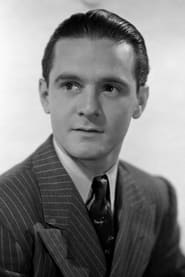
Frankie Darro
Actor
Born: December 22, 1917 in Chicago, Illinois, USA Died: December 25, 1976 Active: 1924-1971 Birth Name: Frank Johnson
Films
2 films
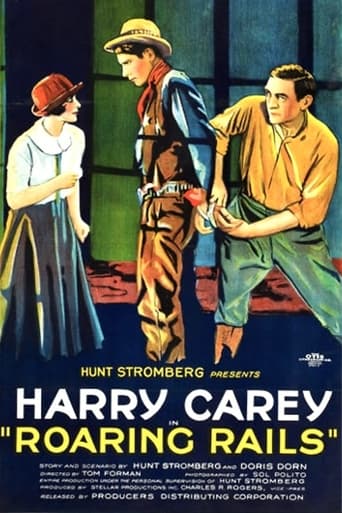
About Frankie Darro
Frankie Darro, born Frank Johnson, was one of Hollywood's most prolific child actors of the silent era who successfully transitioned into a respected character actor in sound films. Beginning his career at age six, Darro quickly became typecast as the tough street kid or troubled youth in numerous films throughout the 1920s and 1930s. His breakthrough came with his powerful performance in the prison drama 'The Big House' (1930), which established him as a serious dramatic talent. Darro's career flourished during the Depression era, where he often portrayed working-class youths struggling against adversity. As he aged, his distinctive high-pitched voice limited his leading man potential, but he found steady work in B-movies, serials, and character roles. One of his most notable achievements was providing the voice for Lampwick in Disney's animated classic 'Pinocchio' (1940). Darro continued working in film and television through the 1950s and 1960s, appearing in over 200 productions throughout his career before his death in 1976.
The Craft
On Screen
Known for his naturalistic and emotionally intense performances, particularly as troubled or rebellious youths. Darro brought remarkable authenticity to his roles, drawing from his own difficult childhood experiences. His acting style was characterized by a raw energy and emotional depth that was unusual for child actors of his era. In his adult career, he developed a knack for playing tough, streetwise characters with a vulnerable core.
Milestones
- Breakthrough role in 'The Big House' (1930)
- Acclaimed performance in 'The Champ' (1931)
- Voice work as Lampwick in 'Pinocchio' (1940)
- Leading roles in Monogram Pictures productions
- Extensive work in film serials
- Transition from silent films to talkies
- Over 200 film and television appearances
Best Known For
Iconic Roles
Must-See Films
Accolades
Special Recognition
- Hollywood Walk of Fame star (located at 6672 Hollywood Boulevard)
Working Relationships
Worked Often With
Studios
Why They Matter
Impact on Culture
Frankie Darro represented the archetype of the struggling American youth during the Great Depression, giving voice to the hardships faced by many families. His performances in films like 'Wild Boys of the Road' captured the desperation and resilience of young people during one of America's most challenging periods. Darro's work helped establish the template for child actors who could deliver serious, dramatic performances rather than just being cute props. His transition to voice acting in 'Pinocchio' demonstrated the evolving opportunities for actors in the new medium of animation.
Lasting Legacy
Frankie Darro left an indelible mark on Hollywood as. His body of work, spanning over 200 productions, serves as a valuable record of American cinema from the silent era through the Golden Age. Darro's ability to portray complex emotions as a child actor paved the way for more sophisticated performances by young actors in subsequent decades. His voice work as Lampwick remains.
Who They Inspired
Darro's naturalistic acting style influenced subsequent generations of child actors, demonstrating that young performers could handle complex dramatic material. His career trajectory from child star to character actor provided a model for performers seeking longevity in Hollywood. His work in B-movies and serials helped elevate these genres through his committed performances. Many actors who followed in his footsteps cited his ability to convey authentic emotion as an inspiration.
Off Screen
Frankie Darro had a difficult childhood, with his father abandoning the family when he was young. He began working in films to help support his mother and siblings. His personal life was marked by financial struggles despite his successful career. He married dancer Helen Kinsella in 1942, and they remained together until his death. Darro struggled with alcoholism in his later years but maintained his acting career through various mediums.
Education
Limited formal education due to early entry into show business; educated on film sets and through studio tutors
Family
- Helen Kinsella (1942-1976)
Did You Know?
- Began his career as a circus performer at age 3
- His father was a circus aerialist
- Was discovered by a talent scout while performing in vaudeville
- His high-pitched voice in adulthood was due to a childhood accident
- Often performed his own stunts in films
- Was one of the few child actors to successfully transition to adult roles
- Appeared in every 'Dead End Kids' film variation
- His final film appearance was in 'The Great Race' (1965)
- Died on Christmas Day, three days after his 59th birthday
- Was a close friend of fellow child actor Jackie Cooper
In Their Own Words
I never wanted to be a star. I just wanted to work and help my family.
Being a kid actor wasn't fun. It was a job, and I took it seriously.
The Depression made us all grow up fast. I just had to do it on camera.
Frequently Asked Questions
Who was Frankie Darro?
Prolific American with credits in this catalog. He was particularly known for portraying troubled youths and tough street kids during the 1930s, appearing in over 200 films throughout his career.
What films is Frankie Darro best known for?
Titles linked here include The Big House (1930), The Champ (1931).
When was Frankie Darro born and when did he die?
Born December 22, 1917; died December 25, 1976.
What awards did Frankie Darro win?
While Frankie Darro didn't receive major industry awards during his lifetime, he was honored with a star on the Hollywood Walk of Fame at 6672 Hollywood Boulevard for his contributions to the film industry.
What was Frankie Darro's acting style?
Darro was known for his naturalistic and emotionally intense performances, particularly as troubled youths. He brought remarkable authenticity to his roles, avoiding the exaggerated acting common among child actors of his era and instead delivering raw, believable performances that captured the struggles of his characters.