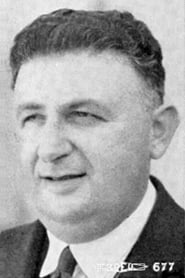
Karl Freund
Actor
Born: January 16, 1890 in Königinhof, Bohemia, Austria-Hungary (now Dvůr Králové nad Labem, Czech Republic) Died: May 3, 1969 Active: 1910-1969 Birth Name: Karl W. Freund
Films
1 film
About Karl Freund
German cinematographer and director who revolutionized visual storytelling in cinema. Born in Bohemia (now Czech Republic), he began his career in the German film industry during the silent era, working as a newsreel cameraman before transitioning to feature films. Freund gained international acclaim for his innovative camera work on German Expressionist masterpieces, including 'The Last Laugh' (1924) and Fritz Lang's 'Metropolis' (1927), where he developed techniques like the unchained camera movement. In 1929, he moved to Hollywood and became sought-after cinematographers, shooting classics such as 'Dracula' (1931), 'Murders in the Rue Morgue' (1932), and 'The Good Earth' (1937), for which he won an Academy Award. Later in his career, Freund transitioned to directing and television, creating the visual style for the sitcom 'I Love Lucy' and developing the three-camera setup that became standard for television production. His technical innovations and artistic vision fundamentally influenced both film and television cinematography, earning him recognition as visual artists in cinema history.
The Craft
Milestones
- Pioneered the unchained camera technique in 'The Last Laugh' (1924)
- Cinematographer for 'Metropolis' (1927)
- Won Academy Award for 'The Good Earth' (1937)
- Developed three-camera setup for 'I Love Lucy'
- Directed 'The Mummy' (1932) and other horror classics
Best Known For
Iconic Roles
Must-See Films
Accolades
Won
- Academy Award for Best Cinematography for 'The Good Earth' (1937)
Nominated
- Academy Award nomination for Best Cinematography for 'The Good Earth' (1937) - Won
- Academy Award nomination for Best Cinematography for 'The Great Waltz' (1938)
Special Recognition
- Hollywood Walk of Fame star (located at 6522 Hollywood Boulevard)
- American Society of Cinematographers Lifetime Achievement Award (posthumous)
- Inducted into the Cinematographers Hall of Fame
Working Relationships
Worked Often With
Studios
Why They Matter
Impact on Culture
Karl Freund fundamentally transformed visual storytelling in both cinema and television. His development of the unchained camera technique in 'The Last Laugh' freed the camera from static positions, enabling fluid movement that became standard in filmmaking. In television, his three-camera setup for 'I Love Lucy' revolutionized sitcom production, allowing for higher quality broadcasts and preserving performances for syndication. His atmospheric cinematography in horror films like 'Dracula' and 'The Mummy' established visual conventions for the genre that influenced decades of filmmakers. Freund's work bridged German Expressionism and Hollywood classicism, bringing European artistic sensibilities to American cinema.
Lasting Legacy
Karl Freund's legacy endures through the countless films and television shows that employ techniques he pioneered. The fluid camera movements he developed are now fundamental to filmmaking vocabulary. His three-camera television system remains the standard for sitcom production. The American Society of Cinematographers established the Karl Freund Award in his honor. His influence extends to modern cinematographers who continue to study his innovative lighting and camera techniques. Freund represents the rare artist who successfully transitioned from silent film master to television pioneer, adapting his skills across different media while maintaining artistic excellence.
Who They Inspired
Freund influenced generations of cinematographers through his technical innovations and artistic vision. Directors like Orson Welles studied his work for 'Citizen Kane,' particularly his use of deep focus and camera movement. Horror filmmakers from Universal's golden age to modern directors have drawn from his atmospheric lighting techniques. Television directors owe a debt to his development of the multi-camera format. His ability to create mood through visual composition influenced film noir cinematography. Many cinematographers, including Gregg Toland and James Wong Howe, acknowledged Freund's influence on their work.
Off Screen
Karl Freund married twice during his lifetime. His first marriage was to German actress Gertrud Hoff, with whom he had a son. After moving to America, he married his second wife, Susi, with whom he remained until his death. Freund was known as a dedicated family man who balanced his demanding career with his home life. He became a naturalized American citizen in 1936 and was deeply committed to his adopted country while maintaining his European cultural roots.
Education
Self-taught in cinematography; attended technical school in Germany for engineering background
Family
- Gertrud Hoff (1920s-1930s)
- Susi Freund (1940s-1969)
Did You Know?
- Was one of the first cinematographers to become a film director
- Developed the first practical camera dolly system
- His camera work on 'The Last Laugh' was shot entirely without intertitles
- Fled Nazi Germany in 1929 due to his Jewish heritage
- Directed the first season of 'I Love Lucy' establishing its visual style
- Invented special lenses for low-light filming in horror movies
- Was a close friend of Albert Einstein
- Spoke five languages fluently
- His son Peter became a successful physicist
- Was originally hired as a newsreel cameraman before entering feature films
- Mentored many young cinematographers who later became Hollywood legends
In Their Own Words
The camera is not just a recording device, it's an instrument of expression.
Light is not just illumination, it's emotion.
In television, we must think in terms of three dimensions - height, width, and time.
The greatest challenge is to make the impossible look natural.
Every frame should tell a story, even without dialogue.
Frequently Asked Questions
Who was Karl Freund?
German-American cinematographer and on YTB.my. He is best known for his groundbreaking camera work on German Expressionist films like 'Metropolis' and later for developing the three-camera system used in 'I Love Lucy'.
What films is Karl Freund best known for?
Titles linked here include The Last Laugh (1924), Metropolis (1927).
When was Karl Freund born and when did he die?
Born January 16, 1890; died May 3, 1969.
What awards did Karl Freund win?
Karl Freund won the Academy Award for Best Cinematography for 'The Good Earth' in 1937. He also received a star on the Hollywood Walk of Fame and has been posthumously honored by the American Society of Cinematographers.
What was Karl Freund's cinematography style?
Freund's style was characterized by innovative camera movement, dramatic lighting, and atmospheric composition. He pioneered the 'unchained camera' technique, allowing fluid movement that enhanced emotional storytelling. His work combined German Expressionist sensibilities with Hollywood technical excellence.
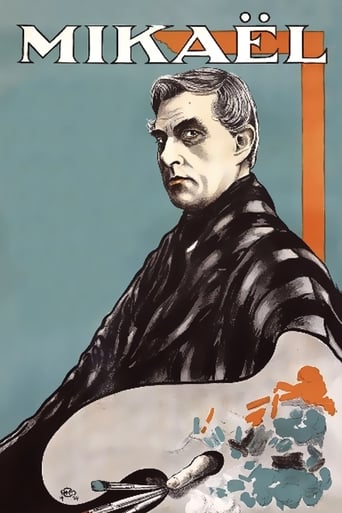
Did Karl Freund really act in 'Michael' (1924)?
While Karl Freund is listed with a credit in 'Michael' (1924), this represents a minor role or technical credit rather than an acting career. His primary contribution to cinema was as a cinematographer and director, not as an actor.
How did Karl Freund influence television?
Freund revolutionized television by developing the three-camera setup for 'I Love Lucy,' which became the industry standard for sitcoms. This system allowed for higher quality production while maintaining the spontaneity of live performance, fundamentally changing how television shows were produced.