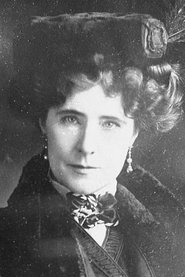
Elinor Glyn
Actor
Born: October 17, 1864 in Saint Helier, Jersey, Channel Islands Died: September 23, 1943 Active: 1907-1943 Birth Name: Elinor Sutherland
Films
1 film
About Elinor Glyn
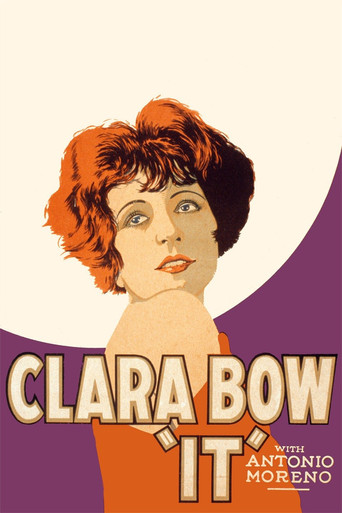
British novelist and screenwriter who became cultural figures of the early 20th century. Born into aristocracy in Jersey, Channel Islands, she began her writing career after her husband's financial difficulties forced her to support her family. Her sensational romantic novels, particularly 'Three Weeks' (1907), shocked Victorian society with their frank treatment of sexuality and became international bestsellers. Glyn moved to Hollywood in the 1920s where she successfully transitioned to screenwriting, penning scripts that capitalized on her reputation for sophisticated romance. Her most enduring contribution came with the novel and subsequent film 'It' (1927), which introduced the concept of the 'It girl' and made Clara Bow a star. Though she occasionally appeared in cameo roles in films, including 'It', her primary impact was as a writer who helped define modern concepts of sex appeal and romance in popular culture. She continued writing and consulting for films until her death, leaving an indelible mark on both literature and cinema.
The Craft
On Screen
Glyn's on-screen appearances were limited to cameo roles where she typically portrayed herself or aristocratic figures, drawing on her real-life reputation as a sophisticated society woman. Her performances were brief but authoritative, reinforcing her public persona as an expert on romance and social etiquette.
Milestones
- Published bestselling novel 'Three Weeks' (1907)
- Coined the term 'It' to describe sex appeal
- Wrote the story for the film 'It' (1927) starring Clara Bow
- Became one of Hollywood's highest-paid screenwriters
- Popularized the concept of the 'It girl' in popular culture
- Served as a script consultant and advisor to major studios
- Wrote over 30 novels and numerous screenplays
Best Known For
Iconic Roles
Must-See Films
Accolades
Special Recognition
- Inducted into the Songwriters Hall of Fame for her contributions to film narratives
- Star on the Hollywood Walk of Fame for her contributions to motion pictures
Working Relationships
Worked Often With
Studios
Why They Matter
Impact on Culture
Elinor Glyn fundamentally changed how society viewed female sexuality and romance in the early 20th century. Her concept of 'It' - defined as a combination of sex appeal, self-confidence, and magnetic charm - became a cultural phenomenon that transcended literature and film to influence fashion, behavior, and social norms. She helped legitimize discussions of desire and attraction in popular culture, paving the way for more open treatment of sexuality in media. Her work contributed to the emancipation of women's public personas and the acceptance of female desire as a natural and powerful force.
Lasting Legacy
Elinor Glyn's legacy endures through the continued use of the term 'It girl' to describe women who possess an irresistible combination of charm, beauty, and charisma. Her novels and films helped establish the template for modern romantic storytelling, blending sophistication with sensuality. As one of the first writers to successfully transition from literature to Hollywood screenwriting, she created a blueprint for authors in the film industry. Her influence can be seen in countless romantic films and in the ongoing fascination with celebrity culture and the concept of star power.
Who They Inspired
Glyn influenced generations of writers, filmmakers, and cultural commentators who explored themes of romance, desire, and social status. Her work directly shaped the careers of silent film stars, particularly Clara Bow, and indirectly influenced the development of the Hollywood star system. Contemporary romance novelists and filmmakers continue to draw on her innovations in portraying sophisticated romance and sexual tension. Her concept of 'It' has been referenced and reinterpreted by countless artists, from Marilyn Monroe to modern pop culture figures.
Off Screen
Elinor Glyn married Clayton Louis Glyn in 1892, a wealthy landowner, with whom she had two daughters. The marriage was reportedly unhappy, and after her husband's death in 1915, she focused entirely on her writing career. She became known for her glamorous lifestyle and numerous high-profile relationships with powerful men in both London and Hollywood society. Her daughters also entered creative fields, with her eldest daughter Margot becoming a noted actress.
Education
Educated by governesses and at finishing schools in Europe, typical of upper-class Victorian women of her era
Family
- Clayton Louis Glyn (1892-1915)
Did You Know?
- Coined the term 'It' to describe a certain type of sex appeal or charisma
- Her novel 'Three Weeks' was considered so scandalous it was banned in several countries
- She was one of the highest-paid writers in Hollywood during the 1920s
- Appeared as herself in the film adaptation of her story 'It' (1927)
- Was a cousin of the Duchess of Wellington, connecting her to British aristocracy
- Her writing style influenced early romance novel conventions still used today
- She advised Hollywood studios on matters of taste and sophistication
- Her concept of 'It' was so influential that Clara Bow became known as 'The It Girl'
- She wrote for both British and American audiences, bridging cultural gaps
- Her work helped establish the 'femme fatale' archetype in popular culture
In Their Own Words
'It' is that quality possessed by some which draws all others with its magnetic force. With 'It' you win all men if you are a woman and all women if you are a man. 'It' can be a quality of the mind as well as a physical attraction.
Romance is the glamour which turns the dust of everyday life into a golden haze.
The great art of writing is knowing when to stop.
To be successful in life, you must appear to be successful.
A woman's greatest asset is her mystery.
Frequently Asked Questions
Who was Elinor Glyn?
British novelist and screenwriter who became famous for her romantic novels and for coining the term 'It' to describe sex appeal. She was.
What films is Elinor Glyn best known for?
Titles linked here include It (1927), Three Weeks (1924).
When was Elinor Glyn born and when did she die?
Born October 17, 1864; died September 23, 1943.
What awards did Elinor Glyn win?
While Elinor Glyn did not receive traditional film awards during her lifetime, she was posthumously honored with a star on the Hollywood Walk of Fame for her contributions to motion pictures and recognized for her role in film narrative and popular culture.