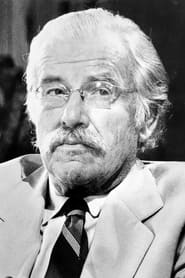
Will Geer
Actor
Born: March 9, 1902 in Frankfort, Indiana, USA Died: April 22, 1978 Active: 1932-1978 Birth Name: William Gere Macht
Films
1 film
About Will Geer
Will Geer, born William Gere Macht, was an American actor, folk singer, and social activist whose over four decades despite being blacklisted during the McCarthy era. He began his career in theater during the 1930s, appearing in Broadway productions while simultaneously developing his passion for botany and folk music. Geer's political activism and membership in the Communist Party led to his blacklisting in the 1950s, forcing him to perform in smaller venues and at his own Theatricum Botanicum, a unique combination of theater and botanical garden he founded. His most role came late in his career as Grandpa Zeb Walton in the beloved television series 'The Waltons' (1972-1978), which earned him widespread recognition and an Emmy Award. Throughout his career, Geer appeared in numerous films including the controversial 'Salt of the Earth' (1954), 'In Cold Blood' (1967), and 'The Stalking Moon' (1968). His deep, resonant voice and authentic, folksy demeanor made him a natural choice for playing wise, earthy characters. Beyond acting, Geer — respected botanist who maintained extensive gardens and was passionate about environmental causes, making him a true renaissance man of American entertainment.
The Craft
On Screen
Known for his authentic, naturalistic approach to acting with a deep, resonant voice and folksy demeanor. He specialized in playing wise, earthy characters with a deep connection to nature and rural life. His style was rooted in his genuine love for botany and folk traditions, bringing remarkable authenticity to rural and working-class roles.
Milestones
- Broadway debut in 'The Warrior's Husband' (1932)
- Founding Theatricum Botanicum (1951)
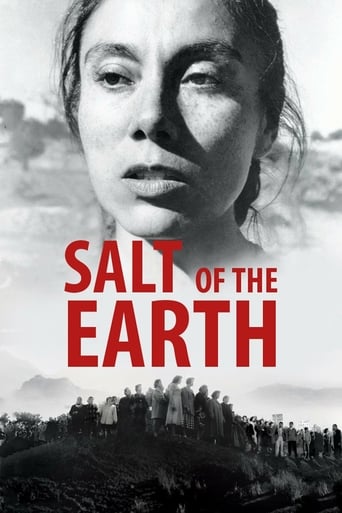
- Role in 'Salt of the Earth' (1954) during blacklist period
- Emmy Award for 'The Waltons' (1975)
- Return to mainstream Hollywood success in 1960s-70s
Best Known For
Iconic Roles
Must-See Films
Accolades
Won
- Emmy Award for Outstanding Supporting Actor in a Drama Series for 'The Waltons' (1975)
Nominated
- Emmy Award nomination for Outstanding Supporting Actor in a Drama Series for 'The Waltons' (1973)
- Emmy Award nomination for Outstanding Supporting Actor in a Drama Series for 'The Waltons' (1974)
- Emmy Award nomination for Outstanding Supporting Actor in a Drama Series for 'The Waltons' (1976)
Special Recognition
- Hollywood Walk of Fame star (located at 6364 Hollywood Boulevard)
- Theatricum Botanicum established as lasting memorial to his artistic and environmental legacy
Working Relationships
Worked Often With
Studios
Why They Matter
Impact on Culture
Will Geer's impact on American culture extends far beyond his acting roles. As one of the prominent victims of the Hollywood blacklist, he became a symbol of artistic integrity and resistance to political persecution. His creation of Theatricum Botanicum provided a sanctuary for blacklisted artists and helped preserve alternative theater during a repressive period. Through his role as Grandpa Walton, he helped shape American television's portrayal of family values and rural wisdom during the 1970s. His integration of environmental consciousness into his artistic work predated the modern environmental movement by decades.
Lasting Legacy
Will Geer's legacy is multifaceted, encompassing his contributions to theater, film, television, and environmental awareness. The Theatricum Botanicum continues to operate as a living memorial to his vision, combining theatrical performance with botanical education. His portrayal of Grandpa Walton remains one of television's most beloved elder characters, influencing how generational wisdom is portrayed in media. As a blacklisted artist who maintained his principles while eventually returning to mainstream success, he serves as an inspiration for artists facing political persecution. His commitment to social justice, environmental causes, and artistic freedom continues to influence progressive artists and activists.
Who They Inspired
Geer influenced generations of actors through his naturalistic style and his emphasis on authenticity in performance. His ability to maintain a successful career despite political persecution inspired other blacklisted artists to continue their work. His integration of political consciousness into art influenced the counter-culture movement of the 1960s. Through Theatricum Botanicum, he mentored countless young actors in both classical and contemporary theater. His portrayal of rural wisdom helped establish a template for authentic elderly characters in American media that continues to influence casting and performance today.
Off Screen
Will Geer was married three times and had three children who became actors. He was a passionate political activist throughout his life, particularly during the 1930s-1950s when he was involved with labor movements and the Communist Party USA. His political beliefs led to his blacklisting during the McCarthy era, which significantly impacted his career. Despite these challenges, he remained committed to his principles and continued performing in alternative venues. He was also an accomplished botanist who maintained extensive gardens and was deeply interested in environmental conservation long before it became mainstream.
Education
University of Chicago (graduated 1923), studied botany and later attended the University of Washington for graduate work in botany before转向 acting
Family
- Herta Ware (1934-1954)
- Carol Coombs (1955-1969)
- Katherine Hurd (1970-1978, his death)
Did You Know?
- Changed his name from William Gere Macht to Will Geer early in his career
- Was a self-taught botanist who could identify over 2,000 plant species
- Founded Theatricum Botanicum in Topanga Canyon, California, which still operates today
- Was a friend and folk music contemporary of Woody Guthrie and Pete Seeger
- Testified before the House Un-American Activities Committee but refused to name names
- His blacklisting lasted approximately 15 years, during which he performed at union halls and schools
- Was arrested during the 1934 West Coast waterfront strike for supporting labor unions
- Appeared in over 100 films and television shows throughout his career
- His daughter Ellen Geer continues to run Theatricum Botanicum as its artistic director
- Died of respiratory failure while filming 'The Waltons', with his character written out as having died of natural causes
- Was a passionate environmentalist who practiced organic gardening decades before it became popular
- Served in the Army Air Forces during World War II
In Their Own Words
I've been a radical all my life. I've always been on the side of the underdog.
The theater is the only branch of art much cared for by people of wealth.
I'd rather be a gardener than an actor. But I'm a better actor than I am a gardener.
Blacklisting was a terrible thing, but it made me a better actor because I had to work harder for every role.
Grandpa Walton is the closest I've ever come to playing myself on screen.
Frequently Asked Questions
Who was Will Geer?
American with credits in this catalog. He had a career spanning over four decades and was blacklisted during the McCarthy era for his political beliefs.
What films is Will Geer best known for?
Titles linked here include Salt of the Earth (1954), In Cold Blood (1967).
When was Will Geer born and when did he die?
Born March 9, 1902; died April 22, 1978.
What awards did Will Geer win?
Will Geer won an Emmy Award for Outstanding Supporting Actor in a Drama Series for 'The Waltons' in 1975. He received three additional Emmy nominations for the same role in 1973, 1974, and 1976.
What was Will Geer's acting style?
Will Geer was known for his naturalistic, authentic acting style with a deep, resonant voice and folksy demeanor. He specialized in playing wise, earthy characters, particularly rural and working-class roles, drawing on his genuine knowledge of botany and folk traditions.
How did Will Geer's political views affect his career?
Geer's membership in the Communist Party and support for labor unions led to his blacklisting during the McCarthy era, preventing him from working in mainstream Hollywood for about 15 years. He continued performing in alternative venues and eventually returned to mainstream success in the 1960s and 1970s.
What was Theatricum Botanicum?
Theatricum Botanicum was Will Geer's unique creation in Topanga Canyon, California, combining a theater company with botanical gardens. It served as a venue for blacklisted artists during the McCarthy era and continues to operate today under the direction of his daughter Ellen Geer.