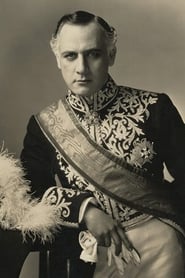
Oscar Beregi Sr.
Actor
Born: November 24, 1876 in Makó, Austria-Hungary (now Hungary) Died: January 18, 1965 Active: 1919-1955 Birth Name: Beregi Oszkár
Films
3 films
About Oscar Beregi Sr.
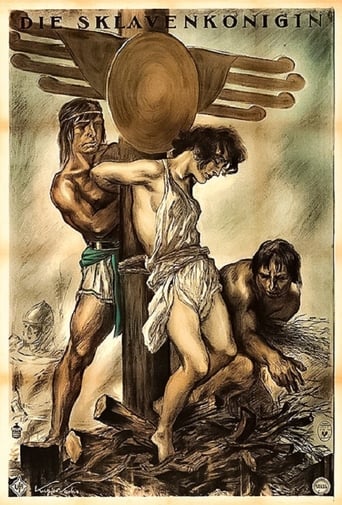
Hungarian character actor: the transformative period from silent cinema to early sound films. Born Beregi Oszkár in Makó, Austria-Hungary, he began his acting career in Hungarian theater before transitioning to film during the silent era. Beregi established himself as a prominent actor in European cinema, particularly in Hungary and Germany, where he often portrayed aristocratic figures, military officers, and characters of authority due to his commanding presence and dignified bearing. His performance as Pharaoh in the epic silent film 'Moon of Israel' (1924) showcased his ability to carry grand historical productions. As the film industry transitioned to sound, Beregi was among the European actors who successfully made the move to Hollywood, bringing with him extensive theatrical training and international experience. In America, he continued his career as a reliable character actor, appearing in both leading and supporting roles throughout the 1930s and beyond. His career trajectory exemplifies the international migration of talent that enriched Hollywood during its formative years, and his successful adaptation to both silent and sound films demonstrated remarkable versatility in an era when many actors struggled with the transition.
The Craft
On Screen
Beregi was known for his dignified, authoritative presence and classical European training, which gave him a theatrical gravitas perfect for the screen. In silent films, he utilized expressive physical acting and commanding facial expressions to convey emotion, while his deep, resonant voice served him well during the transition to sound films. He specialized in portraying aristocratic characters, military officers, and figures of authority, bringing a sense of authenticity and nobility to each role. His acting style was rooted in classical theater traditions, emphasizing proper diction, posture, and emotional restraint appropriate for the characters he portrayed.
Milestones
- Starred in Hungarian silent films during the 1910s
- Portrayed Pharaoh in the epic 'Moon of Israel' (1924)
- Successfully transitioned from European to Hollywood cinema
- Appeared in over 70 films throughout his career
- Continued acting career well into his 70s
- Mentored his son Oscar Beregi Jr. In the acting profession
Best Known For
Iconic Roles
Must-See Films
Accolades
Special Recognition
- Recognized as a Hungarian actor in international cinema
- Honored in Hungarian film history for contributions to early cinema
Working Relationships
Worked Often With
Studios
Why They Matter
Impact on Culture
Oscar Beregi Sr. Represents the internationalization of cinema during its formative decades, exemplifying how European talent enriched and shaped Hollywood during the transition to sound films. As a Hungarian actor who successfully worked in multiple film industries and languages, he contributed to the cross-pollination of acting techniques and cultural perspectives that characterized early cinema. His career trajectory from European silent films to Hollywood talkies mirrors the broader patterns of talent movement that helped establish cinema as a truly international art form. Beregi's ability to portray authoritative and aristocratic characters helped establish archetypes that would influence character acting for decades.
Lasting Legacy
Beregi's legacy is most visibly continued through his son Oscar Beregi Jr., who had a more extensive career in American television and film. The elder Beregi is remembered by film historians as part of the generation of European actors who brought classical training and international perspective to early Hollywood. His performances in silent epics like 'Moon of Israel' remain significant to scholars studying the transition from European to American cinema and the development of the historical epic genre. As one of the successful Hungarian actors to make the transition to Hollywood, he paved the way for future generations of international performers in American cinema.
Who They Inspired
Oscar Beregi Sr. Influenced subsequent generations of character actors, particularly those of European heritage working in Hollywood, through his demonstration of how classical training could be adapted to film acting. His successful navigation of the silent-to-sound transition provided a model for other actors facing similar challenges. Through his son, his influence extended into the golden age of television, where Oscar Beregi Jr. Became a familiar face in American homes. Beregi's dignified approach to character acting helped establish standards for portraying authority figures on screen that influenced how such roles would be cast and performed for decades.
Off Screen
Oscar Beregi Sr. Was married and had a family, including his son Oscar Beregi Jr. Who followed in his footsteps to become an actor. The family immigrated to the United States as part of the wave of European talent moving to Hollywood during the early sound era. Beregi maintained his Hungarian cultural heritage while adapting to American life and the Hollywood film industry. His longevity in the profession, continuing to act well into his 70s, demonstrated his dedication to his craft and his ability to remain relevant across different eras of filmmaking.
Education
Classical theatrical training in Hungary, likely at drama schools or through theater apprenticeships common in early 20th century European acting traditions
Family
- Unknown (marriage details not well documented)
Did You Know?
- Born in Makó, Austria-Hungary (now Hungary) in 1876
- His real name was Beregi Oszkár before adopting Oscar Beregi professionally
- Appeared in over 70 films throughout his 36-year career
- His son Oscar Beregi Jr. Became a well-known character actor in American television
- Successfully transitioned from silent films to talkies when many actors' careers ended
- Often played aristocratic roles due to his appearance and bearing
- Was part of the wave of European talent that migrated to Hollywood in the early sound era
- Continued acting well into his 70s, demonstrating remarkable career longevity
- His performance in 'Moon of Israel' (1924) was in
- Worked in multiple languages and film industries across Europe and America
- Represented the internationalization of Hollywood during its formative years
Frequently Asked Questions
Who was Oscar Beregi Sr.?
Hungarian character with credits in this catalog. Born in 1876 in Austria-Hungary, he appeared in over 70 films and was known for portraying aristocratic characters and authority figures. He successfully transitioned from European cinema to Hollywood during the early sound era.
What films is Oscar Beregi Sr. Best known for?
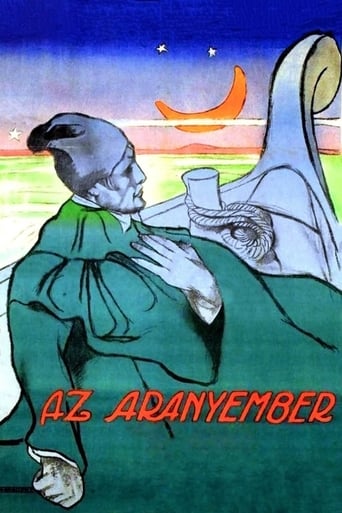
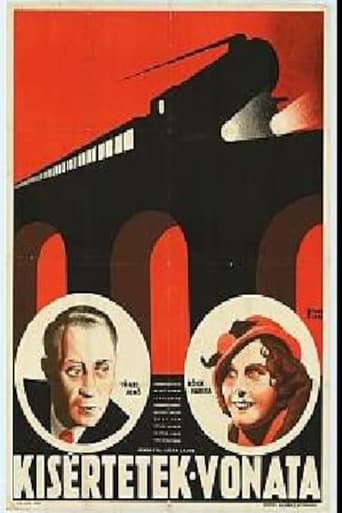
Titles linked here include The Man of Gold (1919), Moon of Israel (1924).
When was Oscar Beregi Sr. Born and when did he die?
Born November 24, 1876; died January 18, 1965.
What awards did Oscar Beregi Sr. Win?
While specific major awards are not well documented for Beregi Sr., he was recognized in Hungarian film history for his contributions to early cinema. His legacy is honored through his influence on subsequent generations of actors and his role in bringing European theatrical traditions to Hollywood.
What was Oscar Beregi Sr.'s acting style?
Beregi was known for his dignified, authoritative presence rooted in classical European theatrical training. He excelled at portraying aristocratic characters and figures of authority, using expressive physical acting in silent films and his resonant voice in talkies. His style emphasized proper diction, posture, and emotional restraint appropriate for his character types.
Did Oscar Beregi Sr. Have any children who also became actors?
Yes, his son Oscar Beregi Jr. (1918-1976) followed in his footsteps and became a successful character actor, particularly known for his work in American television and film during the 1950s and 1960s. The younger Beregi appeared in numerous TV shows and movies, continuing the family's acting legacy.
How did Oscar Beregi Sr. Influence cinema?
Beregi influenced cinema as part of the wave of European talent that enriched Hollywood, bringing classical training and international perspective to American films. His successful transition from silent to sound films provided a model for other actors facing similar challenges. Through his work and his son's subsequent career, he contributed to the internationalization of Hollywood and the development of character acting standards.