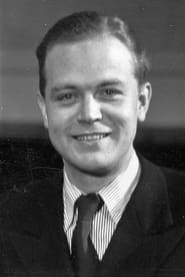
Gustav Fröhlich
Actor
Born: March 21, 1902 in Hanover, German Empire Died: December 22, 1987 Active: 1922-1984
Films
1 film
About Gustav Fröhlich
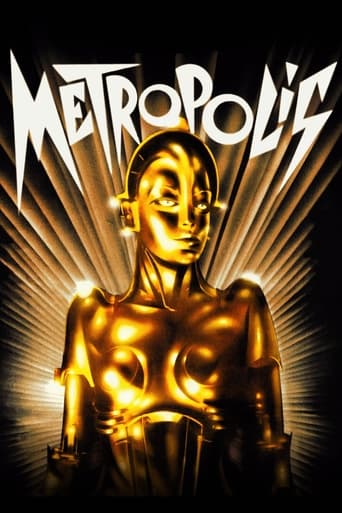
Prominent German actor: over five decades, though he is most famously remembered for his role as Freder Fredersen in Fritz Lang's silent masterpiece 'Metropolis' (1927). Born in Hanover, Germany, he began his acting career on stage before transitioning to film in the mid-1920s, quickly establishing himself as a leading man in German cinema. His performance in 'Metropolis' as the wealthy son who discovers the plight of workers became recognizable faces of silent cinema. During the Nazi regime, Fröhlich continued his acting career, appearing in numerous films including some propaganda productions, which later complicated his legacy. After World War II, he successfully transitioned to character roles and became a respected figure in post-war German cinema and television. His later years saw him working extensively in television and theater, demonstrating remarkable versatility and longevity in the entertainment industry. Fröhlich's career shows the complex relationship between art and politics in 20th century Germany.
The Craft
On Screen
Fröhlich's acting style evolved significantly throughout his career. During the silent era, he employed the exaggerated, expressive gestures typical of the period, but with a naturalistic subtlety that set him apart. His performance in 'Metropolis' showcased his ability to convey complex emotions through facial expressions and body language. As sound cinema emerged, he adapted his technique to incorporate a more understated, realistic approach while maintaining the charismatic presence that made him a star. His later work demonstrated remarkable versatility, transitioning from romantic leading man to complex character actor with equal skill.
Milestones
- Starred as Freder Fredersen in Fritz Lang's 'Metropolis' (1927)
- Leading man in German cinema during the Weimar Republic era
- Continued successful acting career through Nazi Germany
- Transitioned to character roles in post-war German cinema
- Prolific television career in the 1960s and 1970s
- Directed several films in the 1950s
- Published autobiography 'Was ich mir erlaubte' in 1982
Best Known For
Iconic Roles
Must-See Films
Accolades
Won
- Filmband in Gold for lifetime achievement (1973)
- Bambi Award (1968)
Nominated
- German Film Award nomination for Best Actor (1956)
Special Recognition
- Commander's Cross of the Order of Merit of the Federal Republic of Germany (1973)
- Honorary citizen of Lugano, Switzerland
Working Relationships
Worked Often With
Studios
Why They Matter
Impact on Culture
Gustav Fröhlich's portrayal of Freder Fredersen in 'Metropolis' created. His performance represented the idealistic youth torn between privilege and conscience, a theme that resonated throughout the 20th century. The film itself became a cornerstone of science fiction cinema, and Fröhlich's face became synonymous with the golden age of German expressionist film. His ability to maintain a successful career through dramatically different political regimes demonstrated the complex relationship between art and politics in Germany. Fröhlich's work helped establish the archetype of the conflicted protagonist in cinema, influencing countless films and performances that followed.
Lasting Legacy
Gustav Fröhlich's legacy is primarily defined by his iconic role in 'Metropolis,' but his six-decade career represents a comprehensive history of German cinema itself. He bridged the gap between silent films, sound cinema, and television, adapting his craft to each new medium. His performances during the Nazi era remain controversial but historically significant, representing the complex choices artists faced during that period. Fröhlich's later career as a character actor and television star demonstrated remarkable adaptability and longevity. His autobiography provides valuable insights into the German film industry's evolution from the Weimar Republic through the post-war era. Today, he is remembered not just as the face of 'Metropolis,' but as a survivor who witnessed and participated in the entire sweep of 20th century German cultural history.
Who They Inspired
Fröhlich's naturalistic approach to silent film acting influenced the transition to sound cinema, demonstrating that emotional truth could be conveyed without excessive theatricality. His work in 'Metropolis' particularly influenced science fiction cinema, establishing archetypes that would be revisited in films like 'Blade Runner' and 'The Matrix.' Younger German actors looked to his career longevity as a model for adapting to changing times and technologies. His ability to transition from leading man to character actor provided a roadmap for aging performers in cinema. Fröhlich's performances during the Nazi era serve as a case study in the ethical dilemmas faced by artists under totalitarian regimes, influencing discussions about artistic responsibility and compromise.
Off Screen
Gustav Fröhlich led a complex personal life that reflected the turbulent times he lived through. He was married three times, with his second marriage to Hungarian actress Maria Solveg being particularly notable. During World War II, he faced personal challenges while navigating his career under the Nazi regime. After the war, he relocated to Switzerland in the 1950s, where he spent his later years. Fröhlich was known for his intellectual pursuits and was an avid writer, publishing his autobiography in his final years. His relationships with various prominent figures in European cinema and society made him a well-connected figure in the entertainment industry.
Education
Attended acting school in Berlin, studied under renowned theater director Max Reinhardt
Family
- Gitta Alpar (1932-1935)
- Maria Solveg (1937-1949)
- Tatjana Iwanow (1950-1957)
Did You Know?
- Was discovered by director Fritz Lang while working as a bank clerk
- Spoke fluent Hungarian due to his marriage to Gitta Alpar
- His role in 'Metropolis' was originally offered to another actor who turned it down
- Continued acting until age 82, making him one of the oldest working German actors
- Was a talented painter and held several art exhibitions in his later years
- His autobiography was published just five years before his death
- Survived two assassination attempts during the political turmoil of the 1930s
- Was offered Hollywood contracts in the 1930s but chose to remain in Germany
- His daughter Veronika also became an actress
- Was one of the few German actors to successfully work in both East and West Germany after the war
In Their Own Words
In 'Metropolis,' I wasn't just acting a role - I was living the future of cinema
The camera doesn't lie, but it also doesn't tell the whole truth
Silent films taught us that sometimes the most powerful words are the ones left unsaid
Surviving in cinema means adapting, but never losing your soul
Frequently Asked Questions
Who was Gustav Fröhlich?
German with credits in this catalog. His active years covered six decades, making him one of Germany's most enduring film actors who worked through the Weimar Republic, Nazi Germany, and post-war periods.
What films is Gustav Fröhlich best known for?
Titles linked here include Metropolis (1927), Morgenrot (1933).
When was Gustav Fröhlich born and when did he die?
Born March 21, 1902; died December 22, 1987.
What awards did Gustav Fröhlich win?
Fröhlich received the Filmband in Gold for lifetime achievement in 1973 and a Bambi Award in 1968. He was also honored with the Commander's Cross of the Order of Merit of the Federal Republic of Germany in 1973, recognizing his contributions to German culture and cinema.
What was Gustav Fröhlich's acting style?
Fröhlich's acting style evolved from the expressive, gestural approach of silent cinema to a more naturalistic technique in sound films. He was known for his ability to convey complex emotions through subtle facial expressions and his charismatic screen presence, which allowed him to successfully transition from romantic leading man to character actor throughout his career.