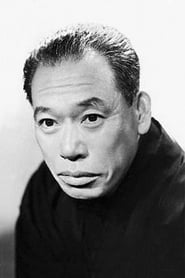
Takashi Shimura
Actor
Born: March 12, 1905 in Ikuno, Hyogo Prefecture, Japan Died: February 11, 1982 Active: 1936-1981 Birth Name: Takashi Shimura (same as stage name)
Films
1 film
About Takashi Shimura
Takashi Shimura was one of Japan's most prolific and respected character actors, best known for his extensive collaborations with director Akira Kurosawa. Born in 1905 in Hyogo Prefecture, Shimura began his film career in 1936 with a small role in Kenji Mizoguchi's 'Osaka Elegy,' but this marked just the beginning of a remarkable five-decade career. After serving in World War II, he returned to acting and became a staple of Japanese cinema, appearing in over 200 films between 1936 and 1981. His breakthrough came with his role as the detective in Kurosawa's 'Rashomon' (1950), which led to his being cast as the lead in 'Ikiru' (1952), where he delivered a masterful performance as a dying bureaucrat. Perhaps his most role was as Kambei Shimada, the leader of the samurai, in 'Seven Samurai' (1954), a performance that showcased his ability to convey wisdom, authority, and vulnerability simultaneously. Throughout his career, Shimura demonstrated remarkable versatility, playing everything from humble villagers to corrupt officials, always bringing depth and authenticity to every character. His final film appearance was in Kurosawa's 'Kagemusha' (1980), capping a partnership that spanned 21 films and defined an era of Japanese cinema.
The Craft
On Screen
Shimura was renowned for his naturalistic, understated acting style that brought profound humanity to every role. He possessed a remarkable ability to convey complex emotions through subtle facial expressions and body language, often saying more with a glance than with dialogue. His approach was deeply rooted in realism, drawing from his observations of ordinary Japanese people and their struggles. Shimura could seamlessly transition between playing authoritative figures and humble commoners, always maintaining an authentic presence that resonated with audiences. His technique emphasized internal emotional truth over theatricality, making his characters feel like real people rather than performances.
Milestones
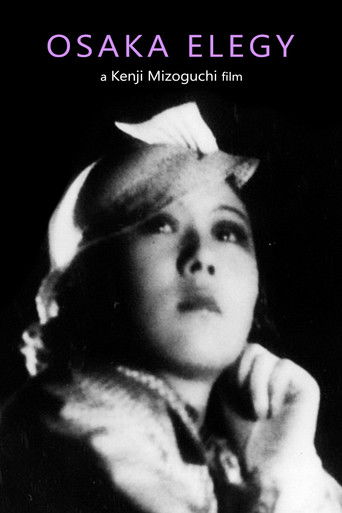
- Film debut in Kenji Mizoguchi's 'Osaka Elegy' (1936)
- Breakthrough role in Akira Kurosawa's 'Rashomon' (1950)
- Lead performance in 'Ikiru' (1952) as Kanji Watanabe
- Iconic role as Kambei Shimada in 'Seven Samurai' (1954)
- 21 collaborations with director Akira Kurosawa
- Over 200 film appearances throughout his career
- Final appearance in 'Kagemusha' (1980)
Best Known For
Iconic Roles
Must-See Films
Accolades
Won
- Mainichi Film Concours Best Actor for 'Ikiru' (1952)
- Blue Ribbon Awards Best Actor for 'Ikiru' (1952)
- Kinema Junpo Best Actor for 'Ikiru' (1952)
- Order of the Rising Sun, 4th Class (1974)
Nominated
- Best Actor nomination at various Japanese film awards for 'Seven Samurai' (1954)
- Best Supporting Actor nominations for multiple Kurosawa films
Special Recognition
- Order of the Rising Sun, Gold Rays with Rosette (1974)
- Japanese Academy Award Special Prize (1982, posthumous)
- Recognized as one of Japan's greatest character actors
- Multiple retrospectives at international film festivals
Working Relationships
Worked Often With
Studios
Why They Matter
Impact on Culture
Takashi Shimura's impact on Japanese and world cinema cannot be overstated, as he helped define the golden age of Japanese film for international audiences. Through his work with Kurosawa, Shimura became one of the first Japanese actors to gain recognition in the West, contributing to the global appreciation of Japanese cinema. His portrayal of the everyman in films like 'Ikiru' created a template for depicting ordinary people's struggles with dignity and depth. Shimura's ability to embody traditional Japanese values while speaking to universal human themes helped bridge cultural gaps and introduced international audiences to Japanese storytelling traditions. His performances in Kurosawa's films were instrumental in establishing the director's international reputation and bringing Japanese cinema to the world stage.
Lasting Legacy
Takashi Shimura left an indelible mark on cinema history as. His legacy lives on through his vast body of work, which continues to be studied by film students and admired by cinema enthusiasts worldwide. Shimura's collaborations with Akira Kurosawa produced some of the most influential films in cinema history, and his performances remain benchmarks for character acting. He demonstrated that supporting actors could be as crucial to a film's success as its stars, paving the way for greater recognition of character actors in the film industry. His ability to bring authenticity and humanity to every role continues to inspire actors across generations and cultures.
Who They Inspired
Shimura's naturalistic acting style influenced generations of Japanese actors and directors, helping establish a more realistic approach to performance in Japanese cinema. His work with Kurosawa showed how character actors could drive narratives and provide emotional depth to ensemble pieces. International actors studying Japanese cinema often cite Shimura's performances as masterclasses in subtlety and emotional authenticity. Directors worldwide have studied his ability to convey complex emotions through minimal means, influencing approaches to performance direction. Shimura's success proved that actors didn't need conventional leading man looks to become stars, opening doors for more diverse representations of masculinity in cinema.
Off Screen
Takashi Shimura was known as a private individual who kept his personal life separate from his professional career. He married early in life and maintained a stable family life throughout his decades in the film industry. Despite his fame, Shimura lived modestly and was respected by colleagues for his humility and dedication to his craft. He continued working even in his later years, showing remarkable commitment to acting until his health declined. Shimura's death in 1982 marked the end of an era in Japanese cinema, as he was one of the last remaining links to the golden age of Japanese film.
Education
Attended Kobe Commercial High School but left before graduation to pursue acting
Family
- Masako Shimura (married 1930s until his death in 1982)
Did You Know?
- Appeared in 21 of Akira Kurosawa's 30 films, more than any other actor
- Made his film debut at age 31 in 'Osaka Elegy' (1936)
- Was originally trained as a teacher before turning to acting
- Served in the Imperial Japanese Army during World War II
- Often played characters much older than his actual age
- His role in 'Ikiru' was originally written for a different actor
- Continued acting even after being diagnosed with stomach cancer
- Was known for arriving on set hours early to prepare for his roles
- Never won an international award despite his acclaimed performances
- His final film 'Kagemusha' was released when he was 75 years old
In Their Own Words
Acting is not about becoming someone else, but about finding the part of yourself that connects with the character.
In every role, no matter how small, there is a human being with a story to tell.
Working with Kurosawa taught me that cinema is not just entertainment, but a way to understand the human condition.
The camera sees everything, so an actor must be truthful in every moment.
Frequently Asked Questions
Who was Takashi Shimura?
Takashi Shimura was one of Japan's most prolific character actors, best known for his extensive collaborations with director Akira Kurosawa. He appeared in over 200 films between 1936 and 1981, delivering memorable performances in classics like 'Seven Samurai,' 'Ikiru,' and 'Rashomon.'
What films is Takashi Shimura best known for?
Titles linked here include Seven Samurai (1954), Ikiru (1952).
When was Takashi Shimura born and when did he die?
Born March 12, 1905; died February 11, 1982.
What awards did Takashi Shimura win?
Shimura received several prestigious Japanese film awards, including the Mainichi Film Concours Best Actor for 'Ikiru' (1952), the Blue Ribbon Awards Best Actor for 'Ikiru,' and the Kinema Junpo Best Actor for 'Ikiru.' He was also awarded the Order of the Rising Sun, 4th Class, in 1974 for his contributions to Japanese culture.
What was Takashi Shimura's acting style?
Shimura was known for his naturalistic, understated acting style that emphasized authenticity and emotional truth. He conveyed complex emotions through subtle expressions and body language rather than theatrical gestures, bringing profound humanity to every role. His approach was rooted in realism, making his characters feel like real people rather than performances.
How many films did Takashi Shimura make with Akira Kurosawa?
Takashi Shimura appeared in 21 of Akira Kurosawa's 30 films, making him Kurosawa's most frequently cast actor. This remarkable collaboration began with 'Snow Trail' (1947) and continued through 'Kagemusha' (1980), creating some of cinema's most iconic performances.
What was Takashi Shimura's first film?
Shimura made his film debut in Kenji Mizoguchi's 'Osaka Elegy' in 1936, playing a minor role. This marked the beginning of his extraordinary 45-year career in cinema, though he would not achieve widespread recognition until his collaborations with Kurosawa in the late 1940s and early 1950s.