
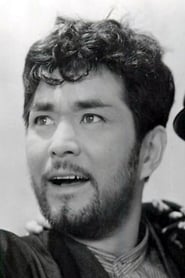
Films
1 film
About Kichijirō Ueda
Japanese actor: career, while brief, left a notable mark in the annals of post-war Japanese cinema. His most recognized work came in 1949 when he appeared in the science fiction horror film 'The Invisible Man Appears' (Tômei ningen arawaru), one of Japan's earliest forays into the invisible man genre, predating the more famous kaiju boom. Ueda's role in this Daiei Film production placed him within a significant transitional period for the Japanese film industry, which was rebuilding and exploring new genres following World War II. While his filmography appears limited to this active period, his participation in such a genre-defining film for its time suggests he was a working actor within the studio system. Details about his early life, training, or other potential roles in theater or uncredited film work remain scarce, making his legacy almost entirely tied to this single, memorable appearance. His performance contributed to the film's atmosphere and its place as a precursor to the special-effects-driven films that would later make Japanese cinema internationally famous.
The Craft
Milestones
- Appeared in 'The Invisible Man Appears' (1949), a landmark early Japanese science fiction film.
Best Known For
Iconic Roles
Must-See Films
Working Relationships
Studios
Why They Matter
Impact on Culture
Kichijirō Ueda's cultural impact is intrinsically linked to his role in 'The Invisible Man Appears' (1949). While not a star, his participation in this film places him within a significant moment in Japanese cinema history. The film itself is a cultural artifact, representing Japan's post-war fascination with science fiction and special effects, a theme that would evolve into the globally recognized kaiju genre. Ueda, as part of the cast, contributed to the foundation of this cinematic movement. His work, alongside that of his castmates and crew, helped demonstrate the technical and creative capabilities of the Japanese film industry during a period of recovery and reinvention, paving the way for the international successes that would follow in the 1950s and beyond.
Lasting Legacy
The legacy of Kichijirō Ueda is that of a representative actor from a specific, era of Japanese genre filmmaking. While he may not be a household name, his contribution is preserved within the context of 'The Invisible Man Appears', a film studied by historians and enthusiasts of Japanese sci-fi and horror. His legacy serves as a reminder that the creation of cinematic classics is a collaborative effort involving not just stars and directors, but also the many supporting actors who bring these fantastical worlds to life. He stands as proof of the working actors of the studio system who formed the backbone of classic cinema.
Who They Inspired
Due to the limited scope of his known work, there is no documented evidence of Kichijirō Ueda directly mentoring or influencing other specific filmmakers or performers. His influence is instead passive, existing as part of the collective creative force that produced an influential early Japanese science fiction film. The film itself may have influenced subsequent Japanese directors and special effects artists, and Ueda's performance is a small component of that broader influential work.
Off Screen
Due to the limited documentation of his career and the brevity of his known filmography, detailed information regarding Kichijirō Ueda's personal life, including family, relationships, and off-screen activities, is not readily available in major film archives or historical records.
Did You Know?
- 'The Invisible Man Appears' (1949) is his only known credited film role, making his filmography exceptionally brief.
- The film he starred in is considered Japan's first science fiction horror film and an early precursor to the kaiju (giant monster) genre.
- Daiei Film, the studio behind 'The Invisible Man Appears', would later become famous for the Gamera series.
- The special effects in 'The Invisible Man Appears' were created by Eiji Tsuburaya, who would later achieve worldwide fame for his work on the Godzilla series.
- Despite the film's historical significance, it remains relatively obscure outside of circles dedicated to classic Japanese cinema.
- The film's plot involves an invisible man committing a series of jewel heists, a common trope in invisible man stories.
Frequently Asked Questions
Who was Kichijirō Ueda?
Japanese with credits in this catalog. He is known almost exclusively for his role in the 1949 film 'The Invisible Man Appears,' one of the earliest examples of Japanese science fiction cinema.
What films is Kichijirō Ueda best known for?
Titles linked here include The Invisible Man Appears (1949).
When was Kichijirō Ueda born and when did he die?
Unfortunately, specific dates of birth and death for Kichijirō Ueda are not publicly documented in major film databases or historical records, reflecting his status as a minor but notable figure in classic cinema.
What awards did Kichijirō Ueda win?
There are no records of Kichijirō Ueda receiving any major film awards or nominations. His recognition comes from his participation in a historically significant film rather than from individual accolades.
What was Kichijirō Ueda's acting style?
With only one known film role, it is difficult to define a distinct acting style for Kichijirō Ueda. His performance in 'The Invisible Man Appears' was within the standard conventions of Japanese studio filmmaking of the era.