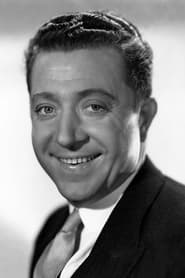
Frank McHugh
Actor
Born: May 23, 1898 in Homestead, Pennsylvania, USA Died: September 11, 1981 Active: 1928-1970s Birth Name: Francis Thomas McHugh
Films
5 films

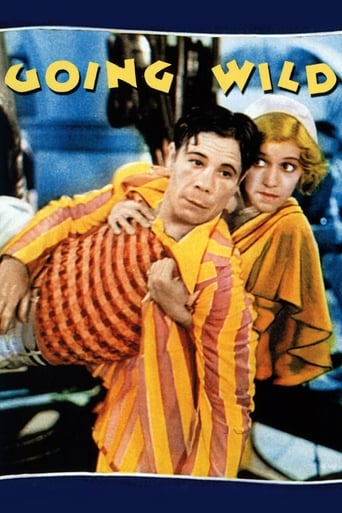
About Frank McHugh
American character actor who enjoyed a prolific career spanning five decades in Hollywood. Born into a theatrical family, he began his career on the stage before transitioning to films in the late 1920s. McHugh became one of Warner Bros.' most reliable supporting actors during the 1930s, appearing in countless films alongside stars like James Cagney, Bette Davis, and Humphrey Bogart. He was particularly adept at comedy, often playing lovable sidekicks, wisecracking reporters, or befuddled friends. His career continued through the 1940s and 1950s, though his roles became smaller as he aged. In his later years, he appeared on television and made occasional film appearances until his retirement. McHugh was beloved by audiences for his distinctive voice, expressive face, and ability to steal scenes with minimal screen time.
The Craft
On Screen
McHugh was known for his fast-talking, nervous energy and distinctive high-pitched voice. He specialized in playing comic relief characters who were often anxious, excitable, or slightly bewildered by the events around them. His physical comedy was subtle but effective, relying heavily on facial expressions and timing rather than slapstick. McHugh had the rare ability to deliver rapid-fire dialogue while maintaining character consistency, making him a favorite of directors who needed someone to provide levity without derailing the main narrative.
Milestones
- Signed with Warner Bros. In 1930
- Appeared in over 150 films
- Became a reliable comic relief actor in Golden Age Hollywood
- Transitioned to television in the 1950s
- Member of the Warner Bros. Stock company
Best Known For
Iconic Roles
Must-See Films
Accolades
Special Recognition
- Hollywood Walk of Fame star (located at 6218 Hollywood Boulevard)
Working Relationships
Worked Often With
Studios
Why They Matter
Impact on Culture
Frank McHugh represents the quintessential character actor of Golden Age Hollywood, the type of reliable performer who appeared in countless films without ever becoming a major star. His work helped establish the template for comic relief in serious dramas, showing how humor could be integrated into tense narratives without undermining the story's emotional weight. McHugh's longevity and versatility demonstrated the value of character actors in the studio system, where familiar faces provided continuity across multiple productions. His ability to make even the smallest roles memorable influenced how studios valued supporting players in their films.
Lasting Legacy
McHugh's legacy lies in his remarkable filmography of over 150 appearances, making him. His work preserved the style of fast-talking, wisecracking character actors that defined American comedy in the 1930s. Film historians and classic movie enthusiasts continue to appreciate McHugh's contributions to cinema, with his performances often cited as examples of perfect comic timing and efficient character development. His career shows the importance of supporting actors in creating memorable films.
Who They Inspired
McHugh influenced subsequent generations of character actors who specialized in comic relief roles. His ability to establish character quickly and deliver humor without overshadowing the main story became a model for supporting performers. Television character actors in the 1950s and 1960s often emulated McHugh's style of playing anxious, fast-talking sidekicks. His work with Warner Bros. Helped establish the studio's reputation for ensemble casts where even minor characters were well-developed and memorable.
Off Screen
McHugh married Dorothy Spencer in 1933, who was a film editor known for her work on Alfred Hitchcock's 'Psycho' and 'North by Northwest.' The couple remained married until McHugh's death in 1981. They had three children together: two daughters, Teresa and Kathleen, and a son, Frank Jr. McHugh was known for his professionalism and reliability on set, often arriving early and knowing his lines perfectly, which made him a favorite among directors and co-stars.
Education
Limited formal education, primarily trained in theater through family connections and practical experience
Family
- Dorothy Spencer (1933-1981)
Did You Know?
- Frank McHugh appeared in nine films with James Cagney, making them
- He was one of the few actors to work with both the Marx Brothers and the Three Stooges
- McHugh — devout Catholic who never missed Sunday Mass, even during busy film schedules
- His brother Matt McHugh was also an actor, and they appeared together in several films
- McHugh was known for his photographic memory and could often recall lines from films he had made decades earlier
- He was a founding member of the Hollywood Catholic Actors Guild
- Despite playing many drunk characters on screen, McHugh rarely drank alcohol in real life
- He was a skilled amateur boxer before entering show business
- McHugh once estimated that he had died on screen over 30 times throughout his career
- He appeared in both the original and the remake of 'A Star is Born' (1937 and 1954)
In Their Own Words
I never got the girl, but I always got the laugh.
In pictures, I'm either a reporter, a bartender, or a guy who gets shot in the first reel.
The secret to being a good supporting actor is knowing when not to steal the scene.
Frequently Asked Questions
Who was Frank McHugh?
Screen credits include over 150 films during Hollywood's Golden Age, primarily known for his comic relief roles at Warner Bros. In the 1930s. With his distinctive high-pitched voice and nervous energy, he became.
What films is Frank McHugh best known for?
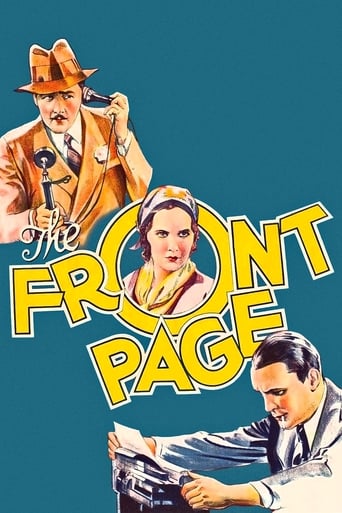
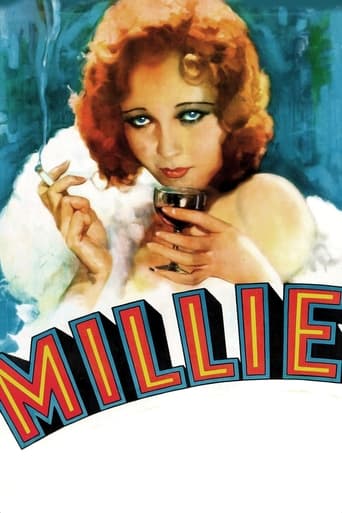
Titles linked here include The Front Page (1931), Millie (1931).
When was Frank McHugh born and when did he die?
Born May 23, 1898; died September 11, 1981.
What awards did Frank McHugh win?
While McHugh never received major competitive awards like Academy Award nominations, he was honored with a star on the Hollywood Walk of Fame at 6218 Hollywood Boulevard in recognition of his contributions to cinema. His legacy is preserved through his extensive filmography rather than formal accolades.
What was Frank McHugh's acting style?
McHugh specialized in fast-talking, anxious characters with distinctive high-pitched voices, often providing comic relief in dramatic films. His style relied on rapid-fire dialogue delivery, expressive facial expressions, and impeccable comic timing. McHugh had the rare ability to establish character quickly and deliver humor without overshadowing the main narrative, making him an invaluable supporting player.