Films
1 film
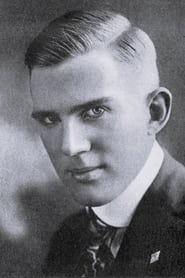
About Frank D. Williams
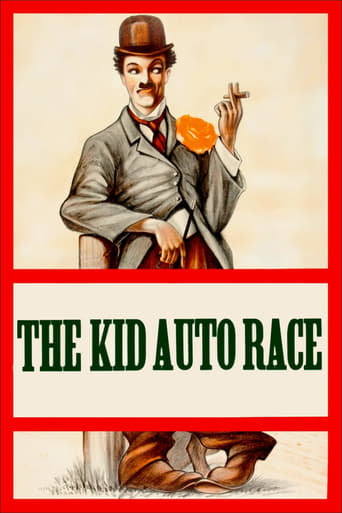
American actor who worked during the silent film era, making his mark in 1914. His most notable appearance was in the Keystone Studios comedy short 'Kid Auto Races at Venice,' which holds significant historical importance as the first film in which Charlie Chaplin portrayed his Tramp character. Williams appeared as one of the spectators in the crowd scenes during this landmark film, which was essentially a publicity piece designed to showcase Chaplin's new character to audiences. Like many actors of this early period, Williams' career was brief and he worked primarily in uncredited or minor supporting roles. The film industry was still in its infancy, and many actors who appeared in these early productions did not go on to have lengthy careers in cinema. His participation in this historically significant film, however small the role, places him among the early pioneers of American cinema.
The Craft
Milestones
- Appeared in 'Kid Auto Races at Venice' (1914), the first film featuring Charlie Chaplin's Tramp character
Best Known For
Iconic Roles
Must-See Films
Working Relationships
Worked Often With
Studios
Why They Matter
Impact on Culture
Frank D. Williams' contribution to cinema, while minor in terms of screen time, places him within the historical context of early American film. His appearance in 'Kid Auto Races at Venice' means he was present at the creation of one of cinema's most enduring characters - Charlie Chaplin's Tramp. This film represents a pivotal moment in film history, marking the birth of a character that would become globally recognized and beloved. Williams, along with other background actors in these early productions, helped create the authentic crowd scenes that gave early comedies their documentary-like feel and realism.
Lasting Legacy
Frank D. Williams represents the countless actors who participated in the birth of cinema but whose names have faded into obscurity. His legacy is tied to the historical significance of 'Kid Auto Races at Venice' as the debut of Chaplin's Tramp character. While his individual contribution may have been small, he was part of the collaborative effort that created. His story exemplifies how many early film actors served as the foundation upon which the Hollywood star system would later be built.
Who They Inspired
As a minor actor from the earliest days of cinema, Frank D. Williams did not have a documented influence on other performers or filmmakers. However, his participation in early Keystone productions contributed to the studio's work in comedy filmmaking, which would influence generations of comedians and directors to come.
Off Screen
Very little personal information is available about Frank D. Williams, which is common for minor actors from the early silent era who had brief careers in the film industry.
Did You Know?
- Appeared in the first film ever to feature Charlie Chaplin's iconic Tramp character
- Worked for Keystone Studios, the famous comedy studio founded by Mack Sennett
- 'Kid Auto Races at Venice' was essentially a publicity film designed to introduce Chaplin's new character
- The film was shot on location in Venice, California in just a few hours
- Williams was one of several background actors who played spectators in the film
- Like many early film actors, his career appears to have been extremely brief
- The film he appeared in was only 6 minutes long
- Keystone Studios was known for its fast production schedule and often used local people as extras
Frequently Asked Questions
Who was Frank D. Williams?
American with credits in this catalog.
What films is Frank D. Williams best known for?
Titles linked here include Kid Auto Races at Venice (1914).
When was Frank D. Williams born and when did he die?
Specific birth and death dates for Frank D. Williams are not documented in historical records, which is common for minor actors from the early silent era who had very brief careers.
What awards did Frank D. Williams win?
Frank D. Williams did not receive any known awards or nominations for his work in film, as was typical for background actors and minor performers during the early silent film period.
What was Frank D. Williams' acting style?
There is insufficient documented information about Frank D. Williams' specific acting style, as he appeared only in minor background roles and his career was extremely brief during the earliest days of American cinema.
What was the significance of the film Frank D. Williams appeared in?
'Kid Auto Races at Venice' is historically significant as it was the first film in which Charlie Chaplin appeared as his famous Tramp character, essentially serving as a publicity piece to introduce the character to audiences.