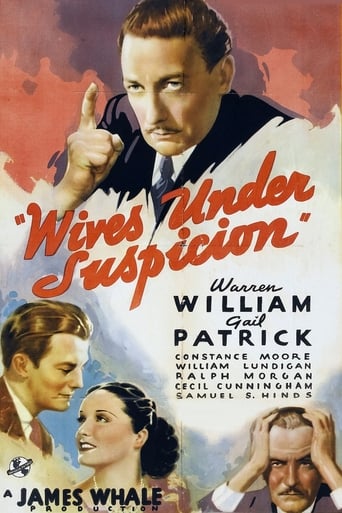
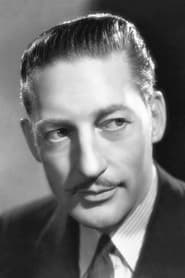
Warren William
Actor
Born: December 2, 1894 in Aitkin, Minnesota, USA Died: September 24, 1948 Active: 1929-1948 Birth Name: Warren William Krech
Films
1 film
About Warren William
Warren William, born Warren William Krech, was an American actor who rose to prominence during the Golden Age of Hollywood, particularly excelling in pre-Code films of the early 1930s. After serving in World War I and working as an insurance salesman, he discovered his passion for acting and began his career on Broadway before transitioning to films in 1929. William quickly became typecast as the sophisticated, often morally ambiguous leading man, earning the nickname 'the King of Pre-Code' for his portrayals of cynical businessmen, lawyers, and womanizers. His most role came as the original screen Perry Mason in a series of six films during the 1930s, establishing the character's enduring popularity. Despite his immense popularity during the 1930s, his career declined in the 1940s as he aged and Hollywood's tastes changed, though he continued working until his death from cancer in 1948. Today, he is remembered as distinctive character actors of his era, whose performances captured the sophisticated cynicism of the Great Depression era.
The Craft
On Screen
William was known for his sophisticated, urbane acting style characterized by a cynical worldview and rapid-fire delivery. He excelled at playing morally ambiguous characters, often portraying wealthy businessmen, lawyers, or executives who operated in ethical gray areas. His performances combined charm with underlying menace, creating complex antiheroes that resonated with Depression-era audiences. William had a distinctive speaking voice and a commanding screen presence that allowed him to dominate scenes even when playing supporting roles. His ability to convey both sophistication and corruption made him particularly effective in pre-Code films that pushed boundaries of on-screen morality.
Milestones
- Broadway debut in 'The Love Call' (1927)
- Film debut in 'The Wolf of Wall Street' (1929)
- Starred in the first Perry Mason film 'The Case of the Howling Dog' (1934)
- Signed contract with Warner Bros. (1931)
- Established himself as pre-Code leading man with 'Baby Face' (1933)
- Starred in 'Gold Diggers of 1933'
- Completed six Perry Mason films (1934-1937)
- Final film appearance in 'The Inside Story' (1948)
Best Known For
Iconic Roles
Must-See Films
Accolades
Special Recognition
- Hollywood Walk of Fame star (located at 1551 Vine Street)
Working Relationships
Worked Often With
Studios
Why They Matter
Impact on Culture
Warren William made a significant cultural impact as the definitive actor of the pre-Code era, embodying the cynical, morally complex characters that reflected the disillusionment of the Great Depression. His portrayals of corrupt businessmen and lawyers captured the public's ambivalent relationship with capitalism and authority during the 1930s. As the original Perry Mason, he established the template for the brilliant defense attorney that would be carried forward by later actors including Raymond Burr. William's sophisticated antiheroes challenged traditional Hollywood morality and paved the way for more complex characterizations in American cinema. His work helped define the pre-Code aesthetic of adult themes and moral ambiguity that would influence film noir and later genres.
Lasting Legacy
Warren William's legacy endures as. His portrayal of Perry Mason established a cultural touchstone that continues in television adaptations decades later. Film historians and cinephiles rediscovered his work in the late 20th century, leading to a renewed appreciation for his sophisticated style and the boldness of pre-Code Hollywood. William represents an important bridge between the theatrical acting style of the silent era and the more naturalistic approach that would dominate post-war cinema. His films are now studied as prime examples of the social commentary and artistic freedom that characterized pre-Code Hollywood before the enforcement of the Hays Code.
Who They Inspired
William influenced generations of actors who specialized in sophisticated, morally ambiguous characters, particularly in the film noir genre. His rapid-fire delivery and cynical worldview can be seen in the work of later actors including Humphrey Bogart, Robert Mitchum, and George Sanders. The archetype he perfected of the charming but corrupt businessman became a staple of American cinema, appearing in countless films and television shows. His success as Perry Mason demonstrated the commercial viability of legal dramas, paving the way for the numerous lawyer-centered films and TV series that followed. Contemporary actors who play complex antiheroes, from Bryan Cranston to Jon Hamm, owe a debt to the character template William helped establish during the 1930s.
Off Screen
Warren William married Helen Barbara Nelson in 1923, and they remained together until his death in 1948. The couple had no children but were known for their quiet, stable relationship amidst the glamour of Hollywood. William was notoriously private about his personal life, rarely giving interviews or discussing his off-screen activities. He served in the United States Army during World War I, which influenced his mature worldview and contributed to his sophisticated screen persona. After his acting career slowed in the 1940s, he focused on real estate investments and other business ventures, demonstrating the same business acumen he often portrayed on screen.
Education
Attended the American Academy of Dramatic Arts; studied at the University of Washington before leaving to serve in World War I
Family
- Helen Barbara Nelson (1923-1948)
Did You Know?
- Was nicknamed 'the King of Pre-Code' for his frequent roles in films made before the Hays Code enforcement
- Originally worked as an insurance salesman before pursuing acting
- Served as a second lieutenant in the United States Army during World War I
- Was one of the highest-paid actors of the early 1930s, earning $2,000 per week at Warner Bros.
- Despite his sophisticated image, he came from a small town in Minnesota
- Was a skilled amateur boxer and maintained his physical fitness throughout his career
- His death from multiple myeloma at age 53 was relatively rare and little understood at the time
- Never received an Academy Award nomination despite his prolific and acclaimed work
- Was considered for the role of Rhett Butler in 'Gone with the Wind' before Clark Gable was cast
- His Perry Mason films were the first screen adaptations of Erle Stanley Gardner's popular novels
- Spoke fluent German and was considered for roles in European productions
- Was a founding member of the Screen Actors Guild and served on its board
In Their Own Words
In the courtroom, there's only one law: the law of survival.
A man's reputation is what other people think of him. His character is what he really is.
I never play the hero. I leave that to the fellows with the dimples and the clean fingernails.
The difference between a successful man and others is not a lack of strength, not a lack of knowledge, but rather a lack of will.
In this business, you're only as good as your last picture, and even that's not saying much.
Frequently Asked Questions
Who was Warren William?
Prominent American with credits in this catalog. He also originated the role of Perry Mason in a series of six films during the 1930s, establishing the character's enduring popularity.
What films is Warren William best known for?
Titles linked here include The Wolf of Wall Street (1929), Baby Face (1933).
When was Warren William born and when did he die?
Born December 2, 1894; died September 24, 1948.
What awards did Warren William win?
Despite his prolific career and critical acclaim, Warren William never received an Academy Award nomination. His primary recognition was a star on the Hollywood Walk of Fame, though his legacy has grown through film historians' appreciation of his contributions to pre-Code cinema.
What was Warren William's acting style?
William was known for his sophisticated, urbane acting style featuring rapid-fire dialogue delivery and a cynical worldview. He excelled at playing morally ambiguous characters—wealthy businessmen, lawyers, and executives—who operated in ethical gray areas, combining charm with underlying menace to create complex antiheroes.
Why was Warren William called 'the King of Pre-Code'?
Warren William earned the nickname 'the King of Pre-Code' because he perfectly embodied the sophisticated, morally complex characters that defined pre-Code Hollywood films (1930-1934). His portrayals of corrupt businessmen and womanizers pushed the boundaries of what was acceptable on screen before the Hays Code enforcement.
How did Warren William influence later actors?
William influenced generations of actors specializing in sophisticated villains and antiheroes, particularly in film noir. His character template can be seen in the work of actors like George Sanders, Humphrey Bogart, and contemporary actors who play complex morally ambiguous characters. His Perry Mason also established the archetype for the brilliant defense attorney in popular culture.