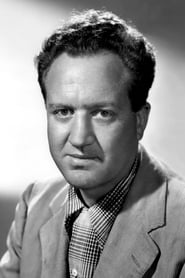
Delmer Daves
Director
Born: July 24, 1904 in San Francisco, California, USA Died: August 17, 1977 Active: 1943-1965 Birth Name: Delmer Lawrence Daves
Films
1 film
About Delmer Daves
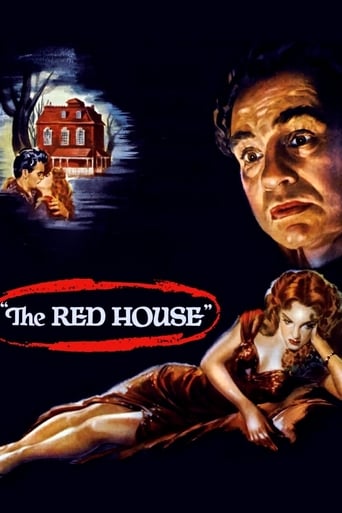
Delmer Lawrence Daves — American film director, screenwriter, and producer who rose to prominence during Hollywood's Golden Age. After studying law at Stanford University, he began his career as an actor in silent films before transitioning to screenwriting in the early 1930s. Daves made his directorial debut with 'Destination Tokyo' (1943) and quickly established himself as a versatile filmmaker capable of working across multiple genres. He gained particular acclaim for his psychological thrillers like 'The Red House' (1947) and 'Dark Passage' (1947), as well as his revisionist westerns including 'Broken Arrow' (1950) and '3:10 to Yuma' (1957). Throughout the 1950s and early 1960s, Daves directed some of Hollywood's biggest stars in films that often explored complex social themes while maintaining commercial appeal. His career declined in the mid-1960s as Hollywood underwent significant changes, but his films continue to be studied for their technical innovation and thematic depth. Daves retired from filmmaking in 1965 and spent his final years in California until his death in 1977.
The Craft
Behind the Camera
Daves was known for his meticulous visual composition and psychological depth, often employing innovative camera techniques to enhance narrative tension. His films frequently explored themes of moral ambiguity and social consciousness, particularly in his westerns which challenged traditional genre conventions. Daves had a distinctive ability to blend commercial appeal with artistic ambition, creating films that were both entertaining and thought-provoking. He was particularly adept at eliciting strong performances from his actors while maintaining a strong authorial voice throughout his diverse filmography.
Milestones
- Directed the groundbreaking psychological thriller 'The Red House' (1947)
- Created the classic film noir 'Dark Passage' (1947) starring Humphrey Bogart
- Pioneered sympathetic portrayals of Native Americans in 'Broken Arrow' (1950)
- Directed the acclaimed western '3:10 to Yuma' (1957) with Glenn Ford
- helmed the controversial drama 'A Summer Place' (1959) that tackled taboo subjects
- Worked with Hollywood's biggest stars including Bogart, Garfield, and Holden
Best Known For
Must-See Films
Accolades
Won
- Academy Award nomination for Best Original Screenplay for 'Broken Arrow' (1950)
- Directors Guild of America Award nomination for Outstanding Directorial Achievement in Motion Pictures for '3:10 to Yuma' (1957)
- Writers Guild of America Award for Best Written American Drama for 'Broken Arrow' (1950)
Nominated
- Academy Award nomination for Best Writing, Original Screenplay - 'Broken Arrow' (1950)
- Directors Guild of America Award nomination - '3:10 to Yuma' (1957)
- Golden Globe nomination for Best Director - 'A Summer Place' (1959)
Special Recognition
- Hollywood Walk of Fame star located at 1712 Vine Street
- Retrospective tributes at film festivals including the Telluride Film Festival
- Career achievement award from the American Film Institute
Working Relationships
Worked Often With
Studios
Why They Matter
Impact on Culture
Delmer Daves significantly influenced American cinema through his innovative approach to genre filmmaking, particularly in the western and thriller categories. His 1950 film 'Broken Arrow' was groundbreaking for its sympathetic portrayal of Native Americans, challenging the stereotypical depictions common in Hollywood westerns and paving the way for more nuanced representations in subsequent films. 'The Red House' (1947) contributed to the development of psychological horror cinema with its use of subjective camera techniques and atmospheric tension. Daves' work in film noir, especially 'Dark Passage' (1947), showcased innovative first-person camera work that influenced later filmmakers. His ability to address social issues within commercial frameworks helped expand the thematic possibilities of mainstream Hollywood cinema during the Production Code era.
Lasting Legacy
Delmer Daves left an enduring legacy as one of Hollywood's most versatile and technically proficient directors of the mid-20th century. His films continue to be studied by film scholars for their visual sophistication and thematic complexity. The 2007 remake of '3:10 to Yuma' demonstrated the lasting influence of his original western masterpiece. Daves' approach to genre filmmaking, blending commercial appeal with artistic innovation, influenced generations of directors who followed. His work in breaking racial stereotypes, particularly in 'Broken Arrow,' contributed to the gradual evolution of more progressive social themes in American cinema. Film restoration efforts have brought new attention to his lesser-known works, solidifying his reputation as a significant figure in Hollywood's Golden Age.
Who They Inspired
Daves influenced numerous filmmakers through his technical innovations and genre-blending approach. His use of psychological depth in westerns influenced directors like Sam Peckinpah and Clint Eastwood. The visual techniques he employed in 'Dark Passage' prefigured later first-person camera innovations in cinema. His ability to work successfully across multiple genres demonstrated to future directors the possibility of maintaining artistic integrity while working within the studio system. Contemporary directors including Quentin Tarantino and the Coen Brothers have cited Daves' westerns as influences on their own genre work. His success in creating commercially viable films with social consciousness paved the way for later filmmakers who sought to address important issues within mainstream entertainment.
Off Screen
Delmer Daves married his wife Mary Louise in 1932, and their marriage lasted until his death in 1977. The couple had two children, Michael and Delmer Jr. Daves was known as a private family man who kept his personal life separate from his Hollywood career. Despite working in the entertainment industry, he maintained a relatively low public profile and rarely gave interviews about his personal life. He was an avid outdoorsman who enjoyed fishing and hunting, interests that often influenced his location choices for his western films.
Education
Stanford University (studied law, graduated 1926)
Family
- Mary Louise Daves (1932-1977)
Did You Know?
- Began his Hollywood career as an extra in silent films while still in law school
- Worked as a scriptwriter for 12 years before becoming a director
- Served in the Army Air Corps during World War II, which influenced his war film 'Destination Tokyo'
- Was an accomplished amateur architect and designed several of his own homes
- Discovered actor James Dean and cast him in a small role in 'Has Anybody Seen My Gal?' (1952)
- Often wrote or co-wrote screenplays for the films he directed
- Was one of the first directors to use location shooting extensively in western films
- His film 'A Summer Place' (1959) was controversial for its depiction of adultery and teenage sexuality
- Turned down directing 'The Bridge on the River Kwai' (1957) to make 'Jubal' instead
- Was a close friend of fellow director John Ford and often consulted him on projects
In Their Own Words
I don't make pictures to please the critics. I make them to please the audience.
A director should be invisible in his work, but his vision should be everywhere.
The western is the only truly American art form, and I'm proud to be part of it.
Every film should have something to say, but it must first be entertaining.
Working with stars like Bogart taught me that the best performances come from collaboration, not command.
Frequently Asked Questions
Who was Delmer Daves?
American on YTB.my. He directed over 30 films between 1943 and 1965, working with many of Hollywood's biggest stars and earning recognition for his technical innovation and thematic depth.
What films is Delmer Daves best known for?
Titles linked here include The Red House (1947), Dark Passage (1947).
When was Delmer Daves born and when did he die?
Born July 24, 1904; died August 17, 1977.
What awards did Delmer Daves win?
Daves received an Academy Award nomination for Best Original Screenplay for 'Broken Arrow' (1950) and won a Writers Guild of America Award for the same film. He also received DGA and Golden Globe nominations for his directing work and has a star on the Hollywood Walk of Fame.
What was Delmer Daves' directing style?
Daves was known for his meticulous visual composition, psychological depth, and ability to work across multiple genres. He often employed innovative camera techniques, explored moral ambiguity and social themes, and had a distinctive talent for blending commercial appeal with artistic ambition, particularly in his revisionist westerns and psychological thrillers.