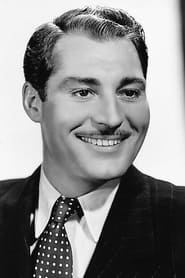
Alan Marshal
Actor
Born: January 29, 1909 in Sydney, New South Wales, Australia Died: July 13, 1961 Active: 1936-1961 Birth Name: Alan Marshall
Films
2 films
About Alan Marshal
Australian-born American actor who carved out a successful career as a reliable supporting player during Hollywood's Golden Age. Born in Sydney in 1909, he began his acting career in Australian theater and radio before relocating to the United States in the mid-1930s. Marshal quickly established himself in Hollywood with his tall, handsome appearance and sophisticated demeanor, often playing aristocratic characters, military officers, or romantic second leads opposite major stars. He signed with MGM and appeared in prestigious productions like 'The Hunchback of Notre Dame' (1939) alongside Charles Laughton and 'The Story of Vernon and Irene Castle' (1939) with Fred Astaire and Ginger Rogers. His career was interrupted by World War II service in the U.S. Army Air Forces, after which he continued working steadily though never achieved top-tier stardom. In the 1950s, as film roles diminished, Marshal successfully transitioned to television, appearing in numerous series. He died in 1961 at age 52, leaving behind a legacy of solid character performances across more than 50 films and television shows.
The Craft
On Screen
Marshal was known for his polished, sophisticated screen presence with a distinctly aristocratic bearing. He excelled at playing gentlemanly characters, military officers, and romantic interests with a refined, understated approach. His acting style was naturalistic yet formal, fitting well with the studio system's emphasis on polished performances. He possessed a smooth, cultured voice and carried himself with an air of breeding that made him particularly convincing in period pieces and upper-class roles.
Milestones
- Moved from Australia to Hollywood in 1936
- Signed contract with MGM Studios
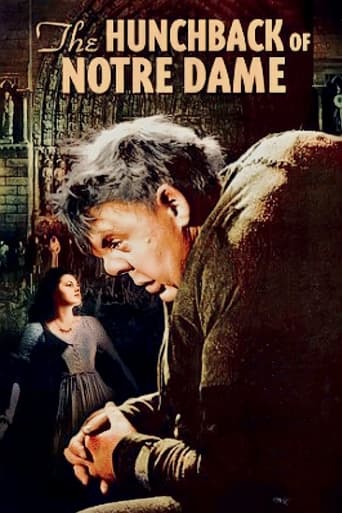
- Played Captain Phoebus in 'The Hunchback of Notre Dame' (1939)
- Served in U.S. Army Air Forces during WWII
- Successfully transitioned to television in the 1950s
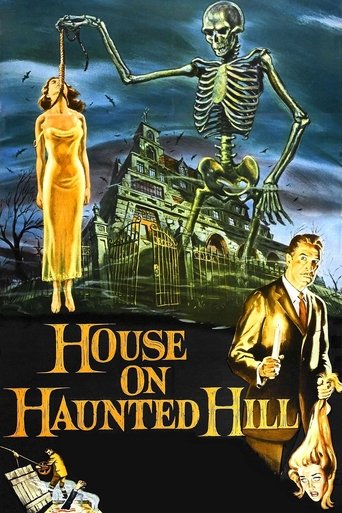
- Appeared in cult classic 'House on Haunted Hill' (1959)
Best Known For
Iconic Roles
Must-See Films
Accolades
Special Recognition
- U.S. Army Air Forces service medal for WWII duty
Working Relationships
Worked Often With
Studios
Why They Matter
Impact on Culture
Alan Marshal represents the quintessential Hollywood supporting actor who, while never achieving superstar status, provided essential depth and reliability to Golden Age cinema. As one of the few Australian actors to find success in Hollywood during his era, he helped pave the way for later Australian performers in American film. His career trajectory from leading man potential to character actor to television regular mirrors the broader evolution of the entertainment industry during the mid-20th century. Marshal's ability to convincingly portray aristocratic and military characters contributed to the authentic feel of many period films and war dramas of his time.
Lasting Legacy
Alan Marshal's legacy lies in his body of work that showcases the importance of skilled supporting actors in creating memorable cinema. His performances in films like 'The Hunchback of Notre Dame' and 'House on Haunted Hill' continue to be appreciated by classic film enthusiasts. While he may not be a household name today, film historians recognize him as a professional who consistently elevated the quality of every production he appeared in. His career serves as an example of the journey many actors took through the studio system, demonstrating both the opportunities and limitations of Hollywood's Golden Age.
Who They Inspired
Marshal influenced subsequent generations of character actors through his demonstration of how to create memorable performances within supporting roles. His smooth, sophisticated style provided a template for actors specializing in playing gentlemen and authority figures. His successful transition from film to television in the 1950s also modeled career adaptability for actors facing changing industry dynamics. As an Australian who succeeded in Hollywood, he helped demonstrate that international talent could find meaningful careers in American cinema.
Off Screen
Alan Marshal married three times during his life. His first marriage to Mary Grace in 1936 was brief, ending in divorce in 1937. In 1938, he married actress Irene Hervey, with whom he remained for nearly a decade before their divorce in 1947. His final marriage was to Belgian actress Ann Codee in 1947, which lasted until his death in 1961. Unlike many Hollywood actors of his era, Marshal maintained a relatively private personal life with few scandals. He became a naturalized American citizen during his Hollywood years, demonstrating his commitment to his adopted country.
Education
Limited formal education details available; studied acting in Australia before moving to the United States
Family
- Mary Grace (1936-1937)
- Irene Hervey (1938-1947)
- Ann Codee (1947-1961)
Did You Know?
- Changed the spelling of his surname from Marshall to Marshal for his stage name to avoid confusion with another actor
- Was one of relatively few Australian actors working in Hollywood during the 1930s and 1940s
- Served as a flight instructor in the U.S. Army Air Forces during World War II
- His wife Irene Hervey was previously engaged to actor James Stewart
- Appeared in both prestigious A-list productions and B-movies throughout his career
- Was a skilled horseman, which served him well in western films
- Spoke with a cultivated mid-Atlantic accent that helped him sound aristocratic
- His final film appearance was in 'The Big Show' (1961), released shortly after his death
- Never received top billing in a major Hollywood production despite his leading man looks
- Was reportedly considered for the role of Ashley Wilkes in 'Gone with the Wind' but lost to Leslie Howard
In Their Own Words
I'm not a star, but I'm a good actor. There's a difference, you know.
In Hollywood, it's better to be a good supporting player than a bad leading man.
Frequently Asked Questions
Who was Alan Marshal?
Australian-born American with credits in this catalog. He appeared in over 50 films between 1936 and 1961, often playing sophisticated gentlemen and military officers in both prestigious productions and genre films.
What films is Alan Marshal best known for?
Titles linked here include The Hunchback of Notre Dame (1939), The Story of Vernon and Irene Castle (1939).
When was Alan Marshal born and when did he die?
Born January 29, 1909; died July 13, 1961.
What awards did Alan Marshal win?
Alan Marshal did not receive major industry awards like Academy Awards or Golden Globes. His recognition came primarily through steady employment and the respect of his colleagues for his professional work ethic and reliable performances.
What was Alan Marshal's acting style?
Marshal was known for his polished, sophisticated acting style with an aristocratic bearing. He specialized in playing gentlemen, military officers, and romantic second leads using a naturalistic yet formal approach that fit well with the studio system's emphasis on refined performances.
Was Alan Marshal really Australian?
Yes, Alan Marshal was born in Sydney, Australia, and began his acting career there before moving to Hollywood in 1936. He was one of relatively few Australian actors to achieve significant success in Hollywood during the Golden Age.
Did Alan Marshal serve in the military?
Yes, during World War II, Alan Marshal served in the U.S. Army Air Forces as a flight instructor, interrupting his acting career from 1942 to 1945 to serve his adopted country.
Was Alan Marshal married to Irene Hervey?
Yes, Alan Marshal was married to actress Irene Hervey from 1938 to 1947. Their marriage lasted nearly a decade and was his second of three marriages.