Herk Harvey
Actor & Director
Born: June 3, 1924 in Windsor, Colorado, USA Died: April 3, 1996 Active: 1950s-1996 Birth Name: Harold Arnold Harvey
Films
1 film
About Herk Harvey
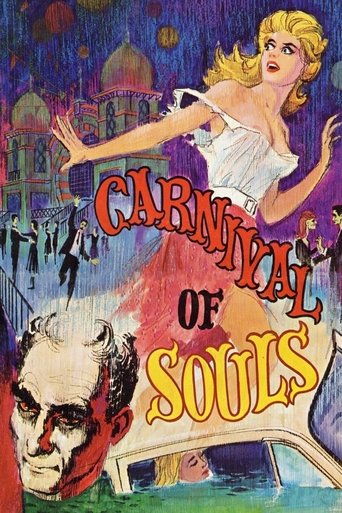
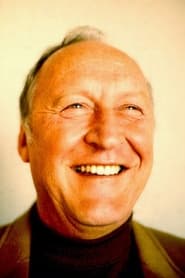
American film director and actor best known for his cult classic horror film 'Carnival of Souls' (1962). Born in 1924, Harvey began his career as an industrial filmmaker in Lawrence, Kansas, working for Centron Corporation where he directed over 400 educational and industrial films. His most notable work, 'Carnival of Souls,' was made on a shoestring budget of approximately $33,000 and filmed in Lawrence and Salt Lake City. Harvey not only directed the film but also played the mysterious ghoulish figure who stalks the protagonist throughout the story. Despite its initial commercial failure, the film gained a significant cult following over the decades and is now regarded as a masterpiece of psychological horror. Harvey continued working at Centron until his death in 1996, never returning to feature filmmaking after his sole directorial effort. His unique vision and atmospheric storytelling in 'Carnival of Souls' have influenced generations of horror filmmakers.
The Craft
On Screen
As an actor, Harvey had a minimal but memorable presence in 'Carnival of Souls,' where he portrayed the haunting ghoul with an eerie, otherworldly quality. His performance relied heavily on atmospheric presence rather than dialogue, using his gaunt appearance and deliberate movements to create a sense of supernatural dread.
Behind the Camera
Harvey's directing style in 'Carnival of Souls' was characterized by dreamlike sequences, unsettling camera angles, and a persistent sense of isolation and dread. He employed innovative techniques such as underwater photography and disorienting editing to create a psychological horror atmosphere that influenced later filmmakers like David Lynch and George A. Romero.
Milestones
- Directed over 400 industrial and educational films at Centron Corporation
- Created the cult classic horror film 'Carnival of Souls' (1962)
- Played the haunting ghoul figure in 'Carnival of Souls'
- Pioneered low-budget psychological horror filmmaking
- Influenced generations of independent horror filmmakers
Best Known For
Iconic Roles
Must-See Films
Accolades
Special Recognition
- Inducted into Kansas Film Hall of Fame
- Carnival of Souls selected for preservation in the National Film Registry (2019)
Working Relationships
Worked Often With
Studios
Why They Matter
Impact on Culture
Herk Harvey's 'Carnival of Souls' had a profound impact on horror cinema, particularly the psychological horror subgenre. The film's themes of alienation, death, and the supernatural influenced countless filmmakers and became a template for atmospheric horror. The movie's dreamlike quality and unsettling imagery prefigured many elements that would later appear in art-house horror films. Despite being made on a minimal budget, the film's technical innovations, particularly its use of location shooting and sound design, demonstrated how creative vision could overcome financial limitations. The film's rediscovery in the 1980s and 1990s led to its recognition as a masterpiece of American independent cinema.
Lasting Legacy
Herk Harvey's legacy rests primarily on the enduring influence of 'Carnival of Souls,' which has become. The film's selection for preservation in the National Film Registry in 2019 cemented its status as an important cultural artifact. Harvey's work demonstrated that powerful horror could be created through atmosphere and suggestion rather than explicit violence, influencing the psychological horror genre for decades. His ability to create a haunting, memorable film with minimal resources has inspired generations of independent filmmakers to pursue their visions regardless of budget constraints.
Who They Inspired
Harvey's work directly influenced filmmakers such as George A. Romero, David Lynch, and Tim Burton, who have cited 'Carnival of Souls' as an inspiration. The film's dream sequences and psychological horror elements can be seen in later works like 'Eraserhead' and 'Blue Velvet.' The movie's use of abandoned locations and atmospheric dread became a template for independent horror filmmaking. Contemporary horror directors often reference Harvey's ability to create terror through suggestion rather than graphic content, a technique that has become increasingly valued in modern horror cinema.
Off Screen
Herk Harvey spent most of his adult life in Lawrence, Kansas, where he worked for Centron Corporation. He was married to Bernice Harvey and maintained a relatively private life outside of his work in industrial filmmaking. Despite the growing cult status of 'Carnival of Souls,' Harvey remained humble about his achievement and continued his career in educational films until his death from pancreatic cancer in 1996.
Education
University of Kansas
Family
- Bernice Harvey (married until his death in 1996)
Did You Know?
- 'Carnival of Souls' was filmed in just three weeks for approximately $33,000
- Harvey discovered the abandoned Saltair Pavilion in Utah and immediately knew it was the perfect location for his film
- The film was considered lost for many years before being rediscovered in the 1980s
- Harvey worked as a director at Centron Corporation for over 30 years, making educational films
- The famous organ music in 'Carnival of Souls' was composed by Gene Moore and played on a Hammond organ
- Harvey cast Candace Hilligoss as the lead after seeing her in a local theater production
- The film's distinctive black and white cinematography was achieved using inexpensive film stock
- Many of the film's extras were local residents from Lawrence, Kansas and Salt Lake City
- Harvey never directed another feature film after 'Carnival of Souls'
- The film's haunting final scene was inspired by Harvey's own experiences driving through rural Kansas
In Their Own Words
I wanted to make a film that would haunt people, that would stay with them long after they left the theater
We didn't have any money, but we had imagination and determination
The best horror comes from what you don't see, from what your imagination creates
Sometimes the most frightening things are the ones that look ordinary at first glance
Frequently Asked Questions
Who was Herk Harvey?
American on YTB.my. He worked primarily as an industrial filmmaker at Centron Corporation, where he directed over 400 educational films, but his legacy rests on this single feature film that has influenced generations of horror filmmakers.
What films is Herk Harvey best known for?
Titles linked here include Carnival of Souls (1962).
When was Herk Harvey born and when did he die?
Born June 3, 1924; died April 3, 1996.
What awards did Herk Harvey win?
Despite his significant influence on cinema, Herk Harvey received few formal awards during his lifetime. However, 'Carnival of Souls' was selected for preservation in the National Film Registry in 2019, and Harvey was posthumously inducted into the Kansas Film Hall of Fame, recognizing his contributions to film history.
What was Herk Harvey's directing style?
Harvey's directing style in 'Carnival of Souls' was characterized by dreamlike sequences, unsettling camera angles, and atmospheric dread. He used innovative techniques including underwater photography and disorienting editing to create psychological horror. His approach emphasized suggestion over explicit content, creating terror through mood and imagery rather than graphic violence.