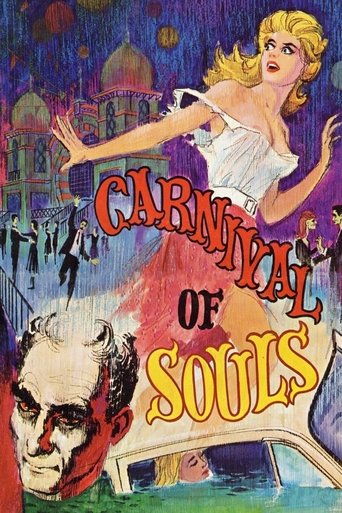
Films
1 film
About Tom McGinnis
American actor who had a brief but memorable appearance in the cult classic horror film 'Carnival of Souls' (1962). His role, though minor, contributed to the eerie atmosphere that made the film a enduring favorite among horror enthusiasts. McGinnis was part of the local Utah talent pool that director Herk Harvey utilized for the production, which was filmed primarily in Salt Lake City and at the Saltair pavilion. His performance in the film represents his only known screen credit, suggesting that acting was not his primary profession but rather a one-time opportunity. The film itself was produced on a modest budget of approximately $30,000 and initially received little attention, only gaining cult status years later through television broadcasts and midnight movie screenings. McGinnis, like many of the other local actors in the production, returned to his regular life after filming, leaving behind this single but notable contribution to classic horror cinema.
The Craft
On Screen
Naturalistic performance typical of non-professional local actors utilized in low-budget productions of the era
Milestones
- Appeared in the cult classic horror film 'Carnival of Souls' (1962)
Best Known For
Iconic Roles
Must-See Films
Working Relationships
Worked Often With
Studios
Why They Matter
Impact on Culture
Tom McGinnis's contribution to cinema, though minimal in scope, is part of what makes 'Carnival of Souls' such a distinctive and enduring horror classic. His performance, along with those of other local actors, gives the film its unique documentary-like quality that sets it apart from more polished Hollywood productions of the era. The film's influence on subsequent horror cinema, particularly psychological horror and atmospheric filmmaking, means that even minor contributors like McGinnis played a role in shaping the genre's development.
Lasting Legacy
Tom McGinnis's legacy is tied exclusively to his appearance in 'Carnival of Souls,' a film that has grown in stature over the decades to become. While his screen time was brief and his role minor, he is forever part of a film that influenced directors ranging from George A. Romero to David Lynch. His performance represents the authenticity that local talent brought to regional filmmaking during this period.
Who They Inspired
As a local actor with only one known film credit, Tom McGinnis's direct influence on other performers or filmmakers is minimal. However, his contribution to 'Carnival of Souls' indirectly influenced the independent horror film movement by helping to create the film's distinctive atmosphere and authenticity. The film's success demonstrated that compelling horror could be created outside the studio system with local talent, inspiring future generations of independent filmmakers.
Off Screen
Very little is known about Tom McGinnis's personal life outside of his brief film appearance. Like many of the local Utah residents cast in 'Carnival of Souls,' he was likely not a professional actor but rather someone recruited for the production due to his availability and suitable appearance for the role. The film's director, Herk Harvey, relied heavily on local talent to keep costs down and maintain authenticity in the Utah setting.
Did You Know?
- Tom McGinnis was one of many local Utah residents cast in 'Carnival of Souls' to save on production costs
- His role was as a worker in the organ factory where the main character Mary Henry is employed
- The film was shot in just three weeks with a budget of approximately $30,000
- Like most cast members, McGinnis was not a professional actor but rather a local resident recruited for the production
- The film gained cult status years after its release through television broadcasts and midnight movie screenings
- Director Herk Harvey was primarily known for industrial and educational films before making 'Carnival of Souls'
- The Saltair pavilion, where many scenes were filmed, was an actual abandoned amusement park near Salt Lake City
Frequently Asked Questions
Who was Tom McGinnis?
Screen credits include the 1962 cult horror film 'Carnival of Souls.' He was not a professional actor but rather a local Utah resident recruited for the production, and this film represents his only known screen credit.
What role did Tom McGinnis play in 'Carnival of Souls'?
Tom McGinnis played a worker in the organ factory where the main character Mary Henry, portrayed by Candace Hilligoss, is employed. His role was minor but contributed to the film's authentic atmosphere.
Was Tom McGinnis a professional actor?
No, Tom McGinnis was not a professional actor. Like many cast members in 'Carnival of Souls,' he was a local Utah resident recruited by director Herk Harvey to keep production costs down and maintain authenticity in the film's setting.
Why is 'Carnival of Souls' considered important in cinema history?
'Carnival of Souls' is considered important for its innovative approach to psychological horror, its dreamlike atmosphere, and its influence on future horror filmmakers. Despite its low budget and use of non-professional actors, it created a distinctive style that has endured for decades.
Did Tom McGinnis appear in any other films?
No, 'Carnival of Souls' (1962) appears to be Tom McGinnis's only film credit. His active period is listed as 1962-1962, suggesting that acting was not his primary career but rather a one-time opportunity.
What makes Tom McGinnis's contribution to 'Carnival of Souls' significant?
While his role was minor, McGinnis's contribution as a local actor helped create the film's distinctive documentary-like quality and authentic atmosphere. The use of non-professional local talent was integral to the film's unique aesthetic and enduring appeal as a cult classic.