
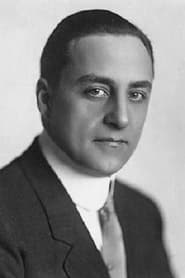
Henry Kolker
Actor
Born: November 13, 1870 in Philadelphia, Pennsylvania, USA Died: July 15, 1947 Active: 1915-1947
Films
2 films
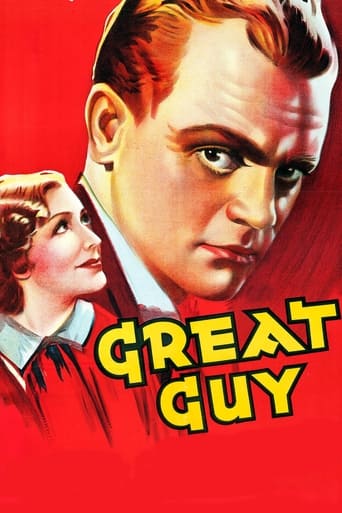
About Henry Kolker
American character actor: the transition from silent films to early sound cinema. Born in Philadelphia in 1870, he began his career on the legitimate stage before transitioning to motion pictures around 1915. Kolker became one of Hollywood's most reliable supporting actors, appearing in over 200 films during his three-decade career. He specialized in portraying authority figures such as doctors, judges, politicians, and wealthy gentlemen, bringing gravitas and sophistication to every role. His ability to adapt his theatrical training to the new medium of sound film made him particularly valuable during the challenging transition period of the late 1920s. Kolker continued working steadily through the 1930s and early 1940s, appearing in many classic films alongside Hollywood's biggest stars. His final film appearance was in 1947, the same year he passed away in Los Angeles at the age of 76.
The Craft
On Screen
Classical theatrical training translated to screen, with dignified and authoritative presence. Kolker brought gravitas to his roles through measured delivery and commanding screen presence. His style was particularly suited to the early sound era where clear diction and stage experience were valued.
Milestones
- Appeared in over 200 films during his career
- Successfully transitioned from silent films to talkies
- Frequent collaborator with major studios including MGM and Warner Bros
- Appeared in multiple Academy Award Best Picture winners
- Known for playing authority figures and gentlemen
Best Known For
Iconic Roles
Must-See Films
Working Relationships
Worked Often With
Studios
Why They Matter
Impact on Culture
Henry Kolker represented the bridge between theatrical tradition and cinematic realism during Hollywood's crucial transition period. His ability to deliver dialogue with clarity and authority made him an essential figure in early sound films, helping establish the standards for screen acting in the talkie era. His consistent presence in major films of the 1930s contributed to the golden age of Hollywood's visual and narrative language.
Lasting Legacy
Kolker's legacy lies in his contribution to over 200 classic films, many of which are considered masterpieces of American cinema. While never a leading man, his reliable performances as authority figures provided essential support to the narratives of countless films. His work exemplifies the importance of character actors in creating believable cinematic worlds.
Who They Inspired
Kolker influenced subsequent generations of character actors through his demonstration of how theatrical training could be effectively adapted for film. His dignified approach to supporting roles helped establish the archetype of the authoritative figure in Hollywood cinema, a template that would be followed by many character actors in subsequent decades.
Off Screen
Henry Kolker married actress Ruth Taylor in 1925, and their marriage lasted until his death in 1947. Taylor was a silent film actress who appeared in films like 'The Joy Girl' (1927). The couple had one child together. Kolker was known as a private individual who maintained a stable personal life despite the glamour of Hollywood.
Education
Trained in classical theater, likely through apprenticeships and stage experience rather than formal education
Family
- Ruth Taylor (1925-1947)
Did You Know?
- Appeared in Mary Pickford's first talking film 'Coquette' (1929)
- Worked with virtually every major star of the 1930s
- Was a stage actor for over 20 years before entering films
- Often without on-screen billing in his early film roles
- His wife Ruth Taylor retired from acting after their marriage
- Appeared in multiple films that won Best Picture Oscar
- Was typecast as doctors, judges, and wealthy gentlemen
- Worked steadily through the Great Depression when many actors struggled
- His filmography spans the entire transition from silent to sound cinema
- Never received top billing but was a familiar face to movie audiences
In Their Own Words
As a character actor, my job is to make the star look good and the story believable
Frequently Asked Questions
Who was Henry Kolker?
Screen credits include over 200 films from the silent era through the 1940s. He specialized in playing authority figures such as doctors, judges, and wealthy gentlemen, bringing gravitas and sophistication to his supporting roles.
What films is Henry Kolker best known for?
Titles linked here include Coquette (1929), Little Caesar (1931).
When was Henry Kolker born and when did he die?
Born November 13, 1870; died July 15, 1947.
What awards did Henry Kolker win?
Despite his extensive film career, Henry Kolker did not receive major awards or nominations, which was common for character actors of his era. His contributions were recognized through consistent employment in prestigious productions rather than formal accolades.
What was Henry Kolker's acting style?
Kolker's acting style was rooted in classical theatrical training, characterized by dignified delivery and authoritative presence. He brought gravitas to his roles through measured speech and commanding screen presence, making him particularly valuable during the transition to sound films.
Was Henry Kolker married?
Yes, Henry Kolker married actress Ruth Taylor in 1925, and their marriage lasted until his death in 1947. Taylor was a silent film actress who retired from the screen after their marriage.
How did Henry Kolker transition from silent to sound films?
Kolker successfully transitioned from silent to sound films due to his extensive theatrical background and clear diction. His stage training gave him the vocal skills necessary for talkies, making him valuable during this challenging period in Hollywood history.