Gail Russell
Actor
Born: September 21, 1924 in Chicago, Illinois, USA Died: August 26, 1961 Active: 1943-1961 Birth Name: Elizabeth L. Russell
Films
1 film
About Gail Russell
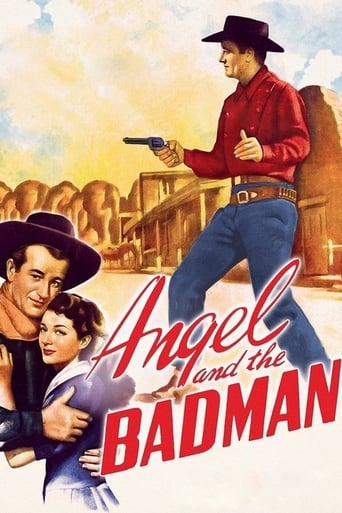
Luminous Hollywood actress of the 1940s: ethereal beauty and haunting performances captivated audiences during the Golden Age of cinema. Discovered at age 19 while working as a stock girl at a department store in Chicago, she was quickly signed by Paramount Pictures and launched into stardom with her debut in 'Henry Aldrich Gets Glamour' (1943). Russell's breakthrough came with the supernatural thriller 'The Uninvited' (1944), where her delicate, vulnerable performance established her as a promising leading lady. She became a favorite in both film noir and Western genres, starring alongside Hollywood icons like John Wayne in 'Angel and the Badman' (1947) and Alan Ladd in 'The Blue Dahlia' (1946). Despite her talent and beauty, Russell's career was hampered by crippling stage fright and a growing dependence on alcohol, which intensified after her marriage to actor Guy Madison ended in divorce. Her film work declined throughout the 1950s, though she attempted comebacks in television and low-budget films. Russell died tragically at age 36 from liver damage attributed to years of alcohol abuse, leaving behind a legacy as one of Hollywood's most beautiful but tragic figures.
The Craft
On Screen
Russell possessed an ethereal, otherworldly quality that made her particularly effective in supernatural and melodramatic roles. Her acting style was characterized by a delicate vulnerability and haunting melancholy, often portraying troubled, sensitive souls with a dreamlike quality. She had a soft, breathy voice and expressive eyes that could convey deep emotion with minimal dialogue, though her severe stage fright sometimes limited her on-screen confidence. Her performances were marked by an underlying fragility that audiences found both captivating and heartbreaking.
Milestones
- Film debut in 'Henry Aldrich Gets Glamour' (1943)
- Breakthrough role in 'The Uninvited' (1944)
- Starred opposite John Wayne in 'Angel and the Badman' (1947)
- Critical acclaim for 'The Blue Dahlia' (1946)
- Married actor Guy Madison (1949-1954)
- Final film appearance in 'The Silent Call' (1961)
Best Known For
Iconic Roles
Must-See Films
Accolades
Special Recognition
- Hollywood Walk of Fame star (located at 1708 Vine Street)
Working Relationships
Worked Often With
Studios
Why They Matter
Impact on Culture
Gail Russell's cultural impact lies in her embodiment of the tragic Hollywood beauty archetype, representing both the glamour and the darkness of Golden Age stardom. Her ethereal screen presence influenced the way vulnerable, melancholic female characters were portrayed in 1940s cinema, particularly in supernatural thrillers and film noir. Russell's struggles with alcoholism and stage fright highlighted the immense pressures placed on young actors during the studio system era, contributing to broader conversations about mental health in Hollywood. Her performances in films like 'The Uninvited' helped establish the haunted heroine as a significant character type in supernatural cinema.
Lasting Legacy
Gail Russell's legacy endures as one of Hollywood's most hauntingly beautiful and tragic figures. Though her career was relatively brief, her memorable performances in classic films continue to be studied and appreciated by film enthusiasts and scholars. She represents the fragile nature of stardom during the Golden Age, where personal struggles could overshadow professional talent. Russell's work has experienced renewed interest among classic film fans, particularly her collaborations with John Wayne and her atmospheric performances in supernatural thrillers. Her story serves as a cautionary tale about the pressures of early fame and the importance of mental health support in the entertainment industry.
Who They Inspired
Russell's delicate, ethereal acting style influenced subsequent generations of actresses in horror and supernatural films, particularly in the portrayal of vulnerable, haunted characters. Her ability to convey deep emotion through subtle expressions and her distinctive screen presence inspired actresses like Grace Kelly and Eva Marie Saint, who also specialized in portraying complex, emotionally nuanced women. Her tragic life story has influenced how Hollywood views and handles the personal struggles of young performers, leading to better support systems for actors dealing with fame and addiction.
Off Screen
Gail Russell's personal life was marked by both glamour and tragedy. She married popular actor Guy Madison in 1949 in a highly publicized ceremony, but their marriage was troubled from the start due to Russell's increasing alcohol dependence and Madison's womanizing. The couple divorced in 1954, and Russell never remarried. She had no children. Russell struggled with severe alcoholism throughout her adult life, which worsened after her divorce and contributed significantly to her declining health and career opportunities. Despite her personal demons, she maintained close friendships with several Hollywood colleagues who tried to help her overcome her addictions.
Education
Attended Santa Monica High School before being discovered by Paramount talent scouts
Family
- Guy Madison (1949-1954)
Did You Know?
- Discovered at age 19 while working as a stock girl at a department store
- Had such severe stage fright that she sometimes vomited before scenes
- Was romantically involved with John Wayne during the filming of 'Angel and the Badman'
- Her alcoholism began after being prescribed medication for nervousness
- Died penniless in her Brentwood apartment at age 36
- Her death certificate listed liver damage as the primary cause of death
- Paramount Pictures spent thousands on acting lessons for her to overcome her stage fright
- Was one of the first Hollywood stars whose personal struggles with addiction became public knowledge
- Her beauty was often compared to that of Ava Gardner and Lana Turner
- Received no formal acting training before her film debut
In Their Own Words
I'm not a star. I'm just an actress who's been lucky enough to get some good parts.
The camera loves some people, and I guess I was one of them. But it doesn't love you enough to make you happy.
I was scared to death every time I stepped in front of a camera. That's why I started drinking.
Frequently Asked Questions
Who was Gail Russell?
Beautiful and talented American actress active during the 1940s Golden Age of Hollywood, known for her ethereal screen presence and roles in films like 'The Uninvited' and 'Angel and the Badman.' Her promising career was tragically cut short by personal struggles with alcoholism and severe stage fright, leading to her early death at age 36.
What films is Gail Russell best known for?
Titles linked here include The Uninvited (1944), The Blue Dahlia (1946).
When was Gail Russell born and when did she die?
Born September 21, 1924; died August 26, 1961.
What awards did Gail Russell win?
Despite her critical acclaim and memorable performances, Gail Russell did not receive any major Academy Award nominations or wins during her career. However, she was honored with a star on the Hollywood Walk of Fame at 1708 Vine Street in recognition of her contributions to the film industry.
What was Gail Russell's acting style?
Russell's acting style was characterized by an ethereal, otherworldly quality with delicate vulnerability and haunting melancholy. She excelled at portraying troubled, sensitive characters with a dreamlike presence, using her expressive eyes and soft voice to convey deep emotion with minimal dialogue, though her severe stage fright sometimes limited her on-screen confidence.