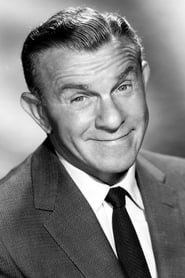
George Burns
Actor
Born: January 20, 1896 in New York City, New York, USA Died: March 9, 1996 Active: 1902-1996 Birth Name: Nathan Birnbaum
Films
1 film
About George Burns
George Burns, born Nathan Birnbaum, was an American comedian, actor, writer, and singer who became enduring entertainers of the 20th century. He began his career in vaudeville as a cigar-smoking comedian and formed a partnership with Gracie Allen in 1922, creating one of comedy's most beloved duos. Their transition from stage to radio, then to film and television, showcased Burns' remarkable adaptability across entertainment mediums. After Gracie's retirement in 1958, Burns continued performing solo, experiencing an extraordinary career resurgence in his 80s with films like 'The Sunshine Boys' (1975), for which he won an Academy Award. His over seven decades, from vaudeville in the 1910s through his final performances in the 1990s, making him one of the few entertainers to work in every major entertainment medium of the century. Burns' dry wit, cigar-chomping persona, and impeccable timing made him an American cultural icon whose influence extended well beyond his era.
The Craft
On Screen
George Burns developed a distinctive straight-man persona characterized by his deadpan delivery, cigar-smoking, and perfectly timed reactions to Gracie Allen's illogical statements. His style was understated yet commanding, using minimal gestures and facial expressions to maximum comedic effect. Burns mastered the art of the slow burn, allowing pauses to build comedic tension, and his signature line 'Say goodnight, Gracie' became well-known. His acting evolved from vaudeville's broad style to a more naturalistic approach suitable for film and television, always maintaining his essential character as the bemused observer of life's absurdities.
Milestones
- Formed comedy partnership with Gracie Allen (1922)
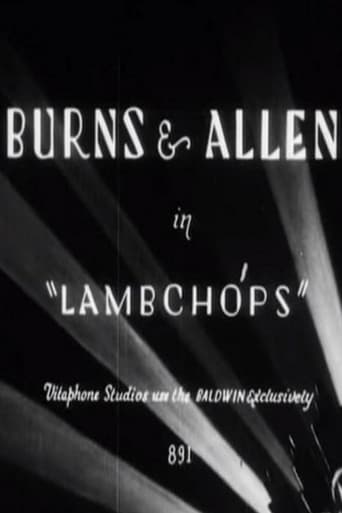
- Starred in 'Lambchops' (1929), their first sound short film
- Hosted 'The George Burns and Gracie Allen Show' on radio (1932-1950)
- Transitioned successfully to television with 'The George Burns and Gracie Allen Show' (1950-1958)
- Won Academy Award for Best Supporting Actor for 'The Sunshine Boys' (1975)
- Published bestselling autobiography 'Gracie: A Love Story' (1988)
- Performed at Carnegie Hall at age 95 (1991)
Best Known For
Iconic Roles
Must-See Films
Accolades
Won
- Academy Award for Best Supporting Actor - The Sunshine Boys (1975)
- Golden Globe Award for Best Supporting Actor - The Sunshine Boys (1975)
- Primetime Emmy Award for Outstanding Continued Performance by an Actor in a Leading Role in a Comedy Series (1956)
- Grammy Award for Best Spoken Word Album - Gracie: A Love Story (1989)
Nominated
- Academy Award nomination for Best Actor - Oh, God! (1977)
- Golden Globe nomination for Best Actor - Oh, God! (1977)
- Golden Globe nomination for Best Actor - Oh, God! Book II (1980)
- Multiple Emmy nominations for The George Burns and Gracie Allen Show
Special Recognition
- Hollywood Walk of Fame star (1960)
- Kennedy Center Honors (1988)
- American Comedy Awards Lifetime Achievement Award (1990)
- Screen Actors Guild Lifetime Achievement Award (1995)
Working Relationships
Worked Often With
Studios
Why They Matter
Impact on Culture
George Burns revolutionized American comedy by perfecting the straight man/funny man dynamic with Gracie Allen, creating a template that influenced countless comedy partnerships. Their radio and television shows pioneered situation comedy techniques still used today, including breaking the fourth wall and meta-humor. Burns' longevity demonstrated that comedy could appeal across generations, and his comeback in his 80s challenged ageism in Hollywood. The Burns-Allen style of contrasting logic and absurdity became a cornerstone of American comedy, influencing everyone from Lucille Ball to modern sitcom creators. His portrayal of God in mainstream films brought theological discussions into popular entertainment in an accessible way.
Lasting Legacy
George Burns' legacy encompasses his work across multiple entertainment mediums, his role in shaping American comedy, and his demonstration that talent and relevance can transcend age barriers. He left behind a vast body of work including over 1,000 radio shows, hundreds of television episodes, numerous films, and bestselling books. The George Burns and Gracie Allen Show remains a template for domestic sitcoms, while his solo career proved that senior performers could remain commercially viable. His autobiography and books about Gracie preserved the history of early American entertainment. Burns' cigar, eyeglasses, and dry wit became instantly recognizable cultural symbols, and his catchphrases entered the American lexicon.
Who They Inspired
Burns influenced generations of comedians through his timing, delivery, and adaptability across media. His straight-man technique became the standard for comedy duos, influencing partnerships like Abbott and Costello, Martin and Lewis, and even modern comedy teams. His success in transitioning from vaudeville to radio to television to film provided a roadmap for entertainers navigating changing media landscapes. Many comedians, including Jerry Seinfeld and Ray Romano, cited Burns as an influence on their observational comedy style. His ability to remain relevant into his 90s inspired performers like Betty White and Dick Van Dyke to continue working in their later years.
Off Screen
George Burns married Gracie Allen in 1926, and their partnership was both personal and professional, lasting until her death in 1964. They adopted two children, Sandra and Ronald, and maintained a famously private family life despite their public celebrity. After Gracie's death, Burns never remarried, often stating that no one could replace her. He was known for his disciplined lifestyle, avoiding alcohol and maintaining a regular routine that contributed to his longevity. Burns was also a savvy businessman, managing his finances carefully and investing wisely, which allowed him to work for love rather than necessity in his later years.
Education
Left school at age 7 to help support his family, working in various jobs including candy store, newsboy, and syrup maker before entering show business
Family
- Gracie Allen (1926-1964)
Did You Know?
- Made his vaudeville debut at age 7 as a singer and dancer
- Changed his name from Nathan Birnbaum to George Burns because there were too many 'Nathans' in show business
- Smoked 10-15 cigars per day for most of his life, living to age 100
- His famous catchphrase 'Say goodnight, Gracie' was never actually said to Gracie - she would say 'Goodnight' and he would respond 'Goodnight, Gracie'
- Was the oldest person ever to host Saturday Night Live at age 88
- Never learned to drive a car, always relying on chauffeurs and public transportation
- Kept a cigar in his hand even when not smoking, as part of his trademark persona
- Turned down the role of the Wizard in 'The Wizard of Oz' because he felt it would typecast him
- Published 10 books, including several autobiographies and books about comedy
- His final public performance was at age 99, just weeks before his death
In Their Own Words
Happiness is having a large, loving, caring, close-knit family in another city.
I honestly think it is better to be a failure at something you love than to be a success at something you hate.
Age is a case of mind over matter. If you don't mind, it doesn't matter.
The secret of a long life is to keep breathing.
I can't understand why I'm so famous. All I do is tell the truth and smoke cigars.
You can't help getting older, but you don't have to get old.
Retirement at sixty-five is ridiculous. When I was sixty-five I still had pimples.
Frequently Asked Questions
Who was George Burns?
Iconic American comedian, with credits in this catalog. Best known for his legendary partnership with wife Gracie Allen, he enjoyed a career spanning over seven decades and won an Academy Award at age 80.
What films is George Burns best known for?
Titles linked here include Lambchops (1929), The Sunshine Boys (1975).
When was George Burns born and when did he die?
Born January 20, 1896; died March 9, 1996.
What awards did George Burns win?
Burns won an Academy Award for Best Supporting Actor for 'The Sunshine Boys' (1975), a Golden Globe for the same role, a Primetime Emmy for his television work, and a Grammy for his spoken word autobiography. He also received the Kennedy Center Honors and SAG Lifetime Achievement Award.
What was George Burns' acting style?
Burns perfected the deadpan straight-man style, characterized by minimal gestures, perfectly timed reactions, and his signature cigar-smoking. His delivery was understated yet commanding, using pauses and facial expressions to maximize comedic effect, particularly in response to Gracie Allen's illogical statements.
How did George Burns influence comedy?
Burns revolutionized American comedy by perfecting the straight-man/funny man dynamic, situation comedy techniques on radio and TV, and demonstrating the viability of comedy across different media. His influence can be seen in countless comedy partnerships and sitcom formats that followed.
What was George Burns' relationship with Gracie Allen?
George Burns and Gracie Allen were married in 1926 and formed one of entertainment's most beloved partnerships, both personally and professionally. Their comedy act and marriage lasted 38 years until Gracie's death in 1964, and Burns never remarried, often saying no one could replace her.