Joseph Whitley
Actor
Born: c. 1826-1828 in Leeds, Yorkshire, England Died: October 24, 1888 Active: 1888
Films
1 film
About Joseph Whitley
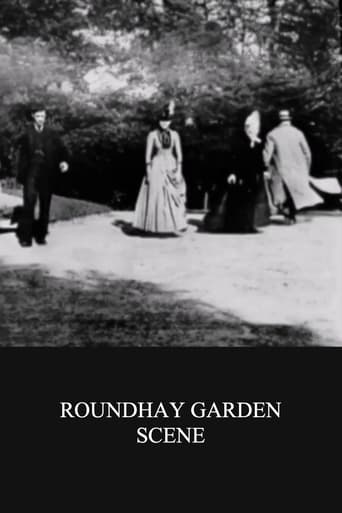
Victorian-era businessman who became immortalized as one of the first actors in cinema history through his appearance in Louis Le Prince's film 'Roundhay Garden Scene' in 1888. Born in the early 1800s in Leeds, England, Whitley — successful ironmonger and hardware merchant who lived in the Roundhay area. He was the father-in-law of filmmaker Louis Le Prince, who married his daughter Sarah Robinson Whitley. On October 14, 1888, at approximately 60-62 years of age, Whitley appeared in what would become the world's oldest surviving motion picture, walking in a circle with his family in their garden. Tragically, Joseph Whitley died just ten days after the filming, making him not only one of cinema's first actors but also one of its earliest casualties. His brief but historic appearance represents the dawn of motion picture performance, capturing a moment when ordinary people became the first subjects of this revolutionary new medium.
The Craft
On Screen
Natural, untrained Victorian-era performance style typical of early cinema subjects, characterized by simple, authentic movement rather than theatrical acting
Milestones
- Appeared in the world's oldest surviving motion picture (1888)
- Participated in Louis Le Prince's film experiments
- Became one of the first people ever captured on moving film
Best Known For
Iconic Roles
Must-See Films
Accolades
Special Recognition
- Recognized as one of cinema's first performers in film history texts
- Featured in museum exhibits about early cinema at the National Media Museum, Bradford
Working Relationships
Worked Often With
Studios
Why They Matter
Impact on Culture
Joseph Whitley's significance in cinema history cannot be overstated, as he represents the birth of film performance itself. His appearance in 'Roundhay Garden Scene' marks the moment when ordinary people first became subjects of motion pictures, establishing the fundamental relationship between camera and subject that would define cinema for generations. As one of the first humans ever captured on moving film, Whitley helped demonstrate that motion pictures could record real people in real time, a revolutionary concept that would transform entertainment and documentation forever. His brief walk around a garden in 1888 symbolizes the beginning of the actor's journey in cinema, from untrained subjects to sophisticated performers. The film's survival has made Whitley an iconic figure in film education and museum exhibits worldwide.
Lasting Legacy
Joseph Whitley's legacy endures as one of cinema's founding figures, though he never lived to see the industry he helped birth. His image, preserved in just 2.11 seconds of film, has been reproduced in countless film history books, documentaries, and museum exhibitions about the origins of motion pictures. The Roundhay Garden Scene remains. While he never received fame or recognition in his lifetime, modern film historians and enthusiasts recognize him as a pivotal figure who stood at the dawn of a new art form. His story represents the accidental nature of early cinema, where ordinary people became pioneers simply by being in the right place at the right time.
Who They Inspired
As one of cinema's first performers, Joseph Whitley influenced the development of film acting by demonstrating that natural, unstaged movement could be compelling on screen. His casual walking in the garden showed early filmmakers that authentic human behavior could be captured and preserved, influencing the documentary tradition that would become central to cinema. The simplicity of his performance set a precedent for the naturalistic style that would later be embraced by filmmakers like Robert Flaherty and the Italian neorealists. While he had no direct influence on other actors due to his brief career and early death, his image has inspired generations of film historians to study the origins of performance in cinema.
Off Screen
Successful Victorian businessman who worked as an ironmonger and hardware merchant in Leeds. He married Sarah Robinson and had several children, including Sarah Whitley who would marry filmmaker Louis Le Prince. The Whitley family was prosperous enough to own a home in the desirable Roundhay area of Leeds. Joseph lived a typical middle-class Victorian life until his unexpected involvement in his son-in-law's cinematic experiments. His death just days after the historic filming added a poignant note to cinema's earliest chapter.
Education
Victorian era education, likely basic schooling followed by business training
Family
- Sarah Robinson Whitley (married c. 1850s-1888)
Did You Know?
- Appeared in the world's oldest surviving motion picture at approximately age 60-62
- Died just ten days after the historic filming of Roundhay Garden Scene
- The film was only 2.11 seconds long but captured at 12 frames per second
- He was walking in a circle with his family when filmed by his son-in-law Louis Le Prince
- The original film was shot on paper film base, not celluloid
- His image has been preserved for over 135 years, making him one of the longest-documented faces in film history
- The garden where he was filmed was located at Oakwood Grange in Roundhay, Leeds
- He was a successful ironmonger by profession, not a professional performer
- His wife Sarah Whitley also appeared in the film and died in 1888
- The film was not publicly shown until decades after it was made
In Their Own Words
No recorded quotes exist from Joseph Whitley, as he lived before the era of film sound and was not interviewed during his brief moment in cinema history
Frequently Asked Questions
Who was Joseph Whitley?
Victorian businessman and ironmonger from Leeds, England, who became one of the first with credits in this catalog.
What film is Joseph Whitley best known for?
Joseph Whitley is known exclusively for 'Roundhay Garden Scene' (1888), a 2.11-second film that represents the earliest surviving motion picture in cinema history.
When was Joseph Whitley born and when did he die?
Born c. 1826-1828; died October 24, 1888.
What was Joseph Whitley's relationship to Louis Le Prince?
Joseph Whitley was the father-in-law of filmmaker Louis Le Prince, who married Joseph's daughter Sarah Whitley. This family connection led to Whitley's participation in the early film experiments.
Why is Joseph Whitley significant in film history?
Joseph Whitley is historically significant as one of the first humans ever captured on moving film, representing the birth of cinema performance and the dawn of motion picture documentation of real people.
What happened to Joseph Whitley after the film was made?
Tragically, Joseph Whitley died just ten days after the filming of 'Roundhay Garden Scene' on October 24, 1888, never living to see the impact his brief appearance would have on film history.