Sarah Whitley
Actor
Born: c. 1800-1810 in Leeds, England Died: October 24, 1888 Active: 1888
Films
1 film
About Sarah Whitley
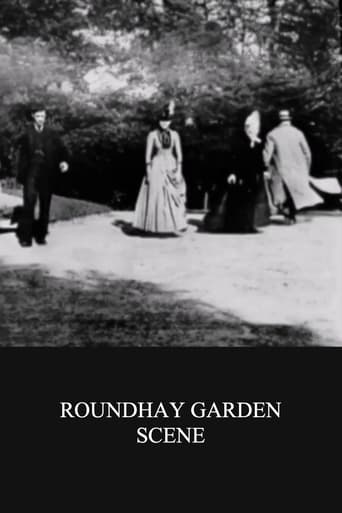
British woman who achieved a unique place in cinema history through her appearance in what is widely considered the oldest surviving motion picture. She was the mother-in-law of French inventor Louis Le Prince, who filmed her in the Roundhay Garden Scene in 1888. At approximately 80-90 years old when filmed, Whitley was captured walking in a garden with her family, creating an unintentional but historic performance that predates the commercial film industry by several years. Her brief appearance represents one of the earliest instances of a human being captured on moving film. Unlike the actors who would follow in the coming decades, Whitley was not a performer by profession but rather a family member participating in an experimental recording. Her role in this film makes her an important, albeit accidental, figure in the birth of cinema. The film itself lasts only about 2 seconds but represents a monumental achievement in the development of motion picture technology.
The Craft
On Screen
Natural, unscripted movement - not professional acting but authentic behavior captured in an experimental film setting
Milestones
- Appeared in Roundhay Garden Scene (1888), the oldest surviving motion picture
- Became one of the first people ever captured on film
- Participated in Louis Le Prince's film experiments
Best Known For
Iconic Roles
Must-See Films
Accolades
Special Recognition
- Recognized as one of cinema's first subjects
- Honored in film history books as an early film pioneer
Working Relationships
Worked Often With
Why They Matter
Impact on Culture
Sarah Whitley holds a unique and significant place in cinema history as one of the very first human beings to be captured on motion picture film. Her appearance in Roundhay Garden Scene represents the dawn of filmmaking, predating the work of the Lumière brothers and Thomas Edison by several years. The film serves as a time capsule of Victorian life and demonstrates the technical achievements of early cinema pioneers. Whitley's natural, unselfconscious movement in the film contrasts with the theatrical acting styles that would dominate early cinema, making her an unintentional pioneer of naturalistic screen performance. The preservation of her image has made her an enduring symbol of cinema's origins and the human desire to capture moments in time.
Lasting Legacy
Sarah Whitley's legacy is intrinsically tied to the birth of motion pictures, making her an accidental but important figure in film history. As one of the subjects of the world's oldest surviving film, she represents the very beginning of an art form that would transform global culture. Her brief appearance has been studied by film historians, archivists, and cinema enthusiasts for over a century. The Roundhay Garden Scene featuring Whitley is frequently included in documentaries about film history and displayed in museums dedicated to cinema. Her image serves as a bridge between the photographic era and the motion picture era, representing humanity's first steps into the world of moving images.
Who They Inspired
While Sarah Whitley did not directly influence other performers or filmmakers due to her brief and unintentional appearance in cinema, her image has influenced how we understand the origins of film. Her natural, unstaged presence in Roundhay Garden Scene provides contrast to the theatrical acting styles that would dominate early cinema, helping modern audiences appreciate the evolution of screen performance. Film historians often reference her appearance when discussing the transition from photography to motion pictures and the early experiments that led to the commercial film industry. Her inclusion in this film has influenced how we document and preserve the earliest moments of cinema history.
Off Screen
Sarah Whitley was the mother-in-law of Louis Le Prince, the French inventor who created some of the earliest motion pictures. She was married to Joseph Whitley and was the mother of Elizabeth Whitley, who married Louis Le Prince. The family lived in the Roundhay area of Leeds, England. Her appearance in the historic film was part of a family gathering captured by her son-in-law during his experiments with motion picture technology. Sadly, she passed away just days after the film was made, making her appearance particularly poignant in cinema history.
Family
- Joseph Whitley
Did You Know?
- Roundhay Garden Scene is believed to be the oldest surviving motion picture in existence
- The film lasts only approximately 2.11 seconds but contains 24 frames
- Sarah Whitley was approximately 80-90 years old when the film was made
- She died just 10 days after the film was shot on October 24, 1888
- The film was shot at 12 frames per second using Le Prince's single-lens camera
- Whitley appears to be walking or possibly dancing in the garden scene
- The film was not publicly exhibited during her lifetime but was part of Le Prince's experiments
- Her son-in-law Louis Le Prince mysteriously disappeared in 1890 before he could commercialize his invention
- The original film was lost but a paper print copy survived in the National Science Museum, London
- Whitley's appearance makes her one of cinema's first 'stars' despite never being a professional actor
Frequently Asked Questions
Who was Sarah Whitley?
Screen credits include Roundhay Garden Scene (1888), widely considered the oldest surviving motion picture. She was the mother-in-law of filmmaker Louis Le Prince and was approximately 80-90 years old when filmed. Though not a professional actor, she holds a significant place in cinema history as one of the first people ever captured on film.
What films is Sarah Whitley best known for?
Titles linked here include Roundhay Garden Scene (1888).
When was Sarah Whitley born and when did she die?
Born c. 1800-1810; died October 24, 1888.
What awards did Sarah Whitley win?
Sarah Whitley did not receive any formal awards during her lifetime, as she appeared in film before the establishment of any cinema awards or the commercial film industry itself. Her recognition comes posthumously from film historians who acknowledge her as one of cinema's subjects.
What was Sarah Whitley's acting style?
Sarah Whitley did not employ a professional acting style, as she was not an actor but rather a family member participating in an experimental film. Her movement in Roundhay Garden Scene appears natural and unselfconscious, representing authentic human behavior rather than theatrical performance. This naturalistic quality contrasts with the exaggerated acting styles that would later dominate early cinema.