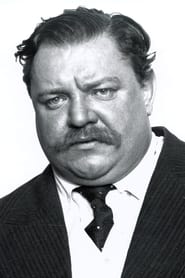
Heinrich George
Actor
Born: October 9, 1893 in Stettin, German Empire (now Szczecin, Poland) Died: September 25, 1946 Active: 1921-1945 Birth Name: Georg Friedrich Heinrich August Schulz
Films
2 films
About Heinrich George
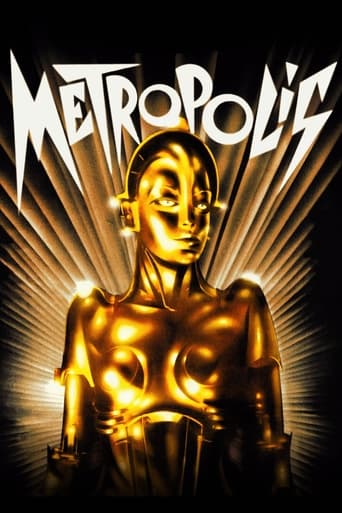
Heinrich George was one of Germany's most prominent character actors of the 1920s through 1940s, known for his powerful presence and distinctive physical appearance. Born Georg Friedrich Heinrich August Schulz, he began his career on the stage before transitioning to silent films during the Weimar Republic era. His breakthrough role came as Grot, the foreman of the Heart Machine, in Fritz Lang's sci-fi masterpiece 'Metropolis' (1927), where his imposing physique and intense demeanor made him unforgettable. George continued to flourish in sound films, appearing in notable works like 'M' (1931) and 'Berlin Alexanderplatz' (1931), establishing himself as one of Germany's most reliable character actors. Despite never joining the Nazi Party, he continued working successfully during the Third Reich, starring in propaganda films like 'Hitlerjunge Quex' (1933) and 'Münchhausen' (1943). His career was cut tragically short when he was arrested by Soviet authorities after World War II and died in a Soviet Special Camp in 1946, leaving behind a complex legacy as both a brilliant actor and a controversial figure who navigated one of Germany's darkest periods.
The Craft
On Screen
Known for his powerful, physically imposing presence and intense, naturalistic acting style. George specialized in playing working-class characters, authority figures, and complex anti-heroes with remarkable depth and authenticity. His performances were characterized by a raw, earthy quality that made him particularly effective in social realist dramas and expressionist films.
Milestones
- Breakthrough role as Grot in 'Metropolis' (1927)
- Leading role in 'Berlin Alexanderplatz' (1931)
- Performance in Fritz Lang's 'M' (1931)
- State Actor title in Nazi Germany (1938)
- Posthumous rehabilitation in 1998
Best Known For
Iconic Roles
Must-See Films
Accolades
Won
- State Actor of the Third Reich (1938)
Nominated
- German Film Award nomination for 'Berlin Alexanderplatz' (1931)
Special Recognition
- Posthumous rehabilitation by Russian authorities (1998)
- Star on the Boulevard der Stars in Berlin (2010)
Working Relationships
Worked Often With
Studios
Why They Matter
Impact on Culture
Heinrich George's impact on German cinema was profound, particularly in his ability to embody the struggles and complexities of the German working class during turbulent times. His performances in Weimar classics like 'Metropolis' and 'Berlin Alexanderplatz' helped define the visual and emotional language of German Expressionism and New Objectivity cinema. As one of the few major stars who successfully transitioned from silent films to talkies, George demonstrated remarkable adaptability and skill, influencing generations of German character actors who followed.
Lasting Legacy
George's legacy remains complex and controversial, reflecting the moral ambiguities faced by artists working under totalitarian regimes. While his artistic contributions to German cinema are undeniable, particularly his groundbreaking work in the 1920s and early 1930s, his continued success during the Nazi period has led to ongoing debates about artistic integrity and moral responsibility. His sons, particularly Götz George, became major stars in post-war German cinema, creating a multi-generational acting dynasty that continues to influence German entertainment.
Who They Inspired
George's naturalistic acting style and ability to portray complex working-class characters influenced subsequent generations of German actors, particularly in the post-war period. His technique of blending physical presence with emotional depth became a model for character actors in German cinema and television. The George acting dynasty, through his sons, extended his influence well into the late 20th and early 21st centuries, with Götz George becoming one of Germany's most beloved and respected actors.
Off Screen
George married actress Berta Drews in 1932, and they had two sons, Jan and Götz George, both of whom became successful actors. His personal life was marked by his dedication to the craft of acting and his complex relationship with the Nazi regime. Despite his prominence during the Third Reich, he never joined the Nazi Party and maintained relationships with Jewish colleagues. His family suffered greatly after his death, with his wife struggling to support their children during the post-war period.
Education
Attended acting school in Stettin, later studied under Max Reinhardt in Berlin
Family
- Berta Drews (1932-1946)
Did You Know?
- His original surname was Schulz, but he adopted 'George' as his stage name
- He was a heavyweight boxing champion in his youth before turning to acting
- Despite starring in Nazi propaganda films, he never joined the Nazi Party
- His son Götz George became one of Germany's most famous actors, starring in the 'Tatort' TV series
- He was appointed 'State Actor' by Joseph Goebbels in 1938, the highest artistic honor in Nazi Germany
- He died in Soviet Special Camp No. 7 in Sachsenhausen, where he was imprisoned after WWII
- His role as Grot in 'Metropolis' required him to wear a heavy costume and work in extreme heat
- He was rehabilitated by Russian authorities in 1998, acknowledging he was not a war criminal
- His performance in 'Berlin Alexanderplatz' is considered one of the greatest in German cinema history
- He continued to perform on stage throughout his film career, maintaining a strong theater presence
In Their Own Words
Acting is not about pretending to be someone else, but about finding the truth within yourself and bringing it to the character.
The stage is my home, but film is my battlefield - there I fight for the souls of my characters.
In times of darkness, art becomes either a weapon or a refuge. I chose to be both.
Frequently Asked Questions
Who was Heinrich George?
Prominent German with credits in this catalog. He was one of Germany's most respected character actors during the Weimar Republic and Nazi eras, specializing in working-class roles and complex dramatic characters.
What films is Heinrich George best known for?
Titles linked here include Metropolis (1927), Berlin Alexanderplatz (1931).
When was Heinrich George born and when did he die?
Born October 9, 1893; died September 25, 1946.
What awards did Heinrich George win?
George was named 'State Actor' of the Third Reich in 1938, the highest artistic honor available to actors in Nazi Germany. He also received a star on the Boulevard der Stars in Berlin in 2010, and was posthumously rehabilitated by Russian authorities in 1998.
What was Heinrich George's acting style?
George was known for his physically imposing presence and naturalistic, intense acting style. He specialized in portraying working-class characters with raw authenticity, combining emotional depth with a distinctive earthy quality that made him particularly effective in social realist dramas and expressionist films.
Did Heinrich George have children who became actors?
Yes, both of Heinrich George's sons became successful actors. Jan George (1931-2006) and Götz George (1938-2016) both followed in their father's footsteps, with Götz becoming one of Germany's most beloved and award-winning actors, particularly famous for his role in the 'Tatort' television series.
What happened to Heinrich George after World War II?
After World War II, George was arrested by Soviet authorities due to his prominence during the Nazi era. He was imprisoned in Soviet Special Camp No. 7 in Sachsenhausen, where he died on September 25, 1946. He was posthumously rehabilitated by Russian authorities in 1998, acknowledging he was not a war criminal.