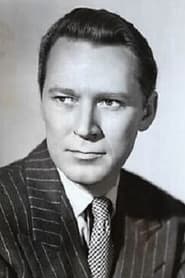
Jess Barker
Actor
Born: June 4, 1912 in Greenville, South Carolina, USA Died: August 8, 2000 Active: 1942-1968 Birth Name: Philip Stanley St. John
Films
1 film
About Jess Barker
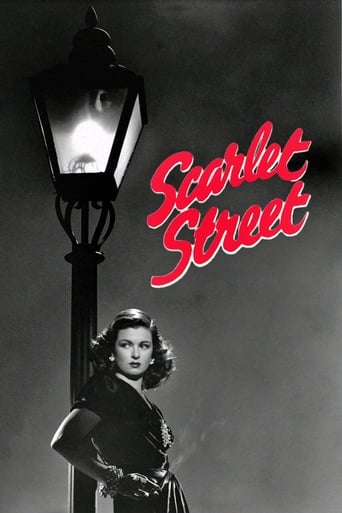
Jess Barker is credited on a single production — Scarlet Street (1945). Born in Greenville, South Carolina, he began his acting career in the early 1940s, landing supporting roles in various films. His most notable performance came in Fritz Lang's film noir classic 'Scarlet Street' (1945), where he played the role of Johnny Prince opposite Edward G. Robinson and Joan Bennett. Barker's career trajectory was significantly impacted by his high-profile marriage to Academy Award-winning actress Susan Hayward in 1947, which brought him both public attention and professional challenges. Following his divorce from Hayward in 1954, his film career declined, though he continued to appear in television roles throughout the 1950s and 1960s. Despite not becoming a major star, Barker's performances in film noir and his association with Hollywood's golden era have preserved his place in cinema history. His life story serves as a reminder of the personal struggles that often accompanied the glamour of classic Hollywood.
The Craft
On Screen
Jess Barker was known for his smooth, somewhat refined acting style that fit well within the film noir genre. His performances often conveyed a sense of underlying menace or duplicity beneath a charming exterior, making him particularly effective in antagonist roles. Barker had a distinctive voice delivery and carried himself with a certain elegance that suited the sophisticated characters he frequently portrayed. While not a method actor, he brought a naturalistic quality to his roles that was ahead of its time in some respects, particularly in his more nuanced performances in noir films.
Milestones
- Breakthrough role in 'Scarlet Street' (1945) directed by Fritz Lang
- Marriage to Susan Hayward (1947-1954) which brought significant media attention
- Transition to television in the 1950s with appearances in popular series
- Supporting roles in major studio productions during Hollywood's Golden Age
Best Known For
Iconic Roles
Must-See Films
Working Relationships
Worked Often With
Studios
Why They Matter
Impact on Culture
Jess Barker's contribution to cinema, while not extensive, remains significant within the film noir genre through his memorable performance in 'Scarlet Street.' His portrayal of Johnny Prince exemplified the archetype of the charming but dangerous antagonist that became a staple of noir cinema. The film itself has been preserved in the National Film Registry for its cultural significance, ensuring Barker's performance continues to be studied by film scholars and appreciated by classic cinema enthusiasts. His career also serves as a case study in the challenges faced by character actors during Hollywood's Golden Age, particularly those who struggled with personal issues that affected their professional trajectories.
Lasting Legacy
Jess Barker's legacy is primarily preserved through his work in classic film noir, particularly 'Scarlet Street,' which remains. While he never achieved leading man status, his supporting performances contributed to some of the most important films of the 1940s. His life story, including his marriage to Susan Hayward, has become part of Hollywood lore, illustrating the personal costs of fame during the studio era. Film historians and noir enthusiasts continue to recognize his contributions to the genre, and his performances are studied as examples of effective character acting in classic Hollywood cinema.
Who They Inspired
Jess Barker's influence on other actors was limited due to his career trajectory, but his work in film noir has been cited by some character actors as an example of effective supporting performances. His ability to convey complex emotions with subtle gestures and vocal inflections influenced later generations of film noir actors. The techniques he employed in creating memorable antagonists have been studied in acting schools as examples of how to build compelling supporting characters. His career also serves as a cautionary tale about the importance of personal stability in maintaining a successful acting career in Hollywood.
Off Screen
Jess Barker's personal life was marked by his tumultuous marriage to actress Susan Hayward, which dominated public perception of him during their relationship. The couple married in 1947 and had twin sons, Gregory and Timothy, born in 1949. Their marriage was plagued by financial difficulties and public scandals, including Barker's struggles with alcoholism and career frustrations. The highly publicized divorce in 1954 was acrimonious, with Hayward accusing Barker of abuse and financial irresponsibility. After the divorce, Barker struggled to maintain his career and never remarried. He spent his later years away from the Hollywood spotlight, living a relatively quiet life until his death in 2000 at the age of 88.
Education
Limited information available, studied acting in New York before moving to Hollywood
Family
- Susan Hayward (1947-1954)
Did You Know?
- Changed his name from Philip Stanley St. John to Jess Barker early in his career
- His twin sons with Susan Hayward were born on February 19, 1949
- During his divorce from Hayward, she accused him of leaving her and their children penniless
- Barker struggled with alcoholism throughout much of his adult life
- His role in 'Scarlet Street' was his most significant and memorable performance
- After his divorce, he had difficulty finding work in Hollywood due to the scandal
- He appeared in over 30 films but rarely received top billing
- His performance style was particularly suited to the film noir genre
- He served in the military during World War II before his acting career took off
- Later in life, he worked as a real estate broker to support himself
In Their Own Words
In Hollywood, you're only as good as your last picture, and sometimes your last marriage.
Being married to a star can be the worst thing for your career when things go wrong.
Frequently Asked Questions
Who was Jess Barker?
American with credits in this catalog. He was also known for his tumultuous marriage to Academy Award-winning actress Susan Hayward, which significantly impacted both his personal life and career trajectory.
What films is Jess Barker best known for?
Titles linked here include Scarlet Street (1945), The Woman in the Window (1944).
When was Jess Barker born and when did he die?
Born June 4, 1912; died August 8, 2000.
What awards did Jess Barker win?
Jess Barker did not receive any major acting awards or nominations during his career. While his performance in 'Scarlet Street' was critically praised, he never received Academy Award recognition or other major industry honors, which was common for character actors of his era.
What was Jess Barker's acting style?
Jess Barker was known for his smooth, refined acting style that was particularly effective in film noir roles. He excelled at playing charming characters with underlying menace, using subtle gestures and vocal inflections to convey complex emotions. His performances often featured a naturalistic quality that was ahead of its time for supporting actors in the 1940s.
How did Jess Barker's marriage to Susan Hayward affect his career?
Barker's marriage to Susan Hayward from 1947-1954 had a profound impact on his career. While initially bringing him public attention, their highly publicized and acrimonious divorce in 1954 severely damaged his reputation in Hollywood. The scandal and negative publicity made it difficult for him to find work, contributing significantly to the decline of his film career.
What happened to Jess Barker after his acting career declined?
After his film career declined in the late 1950s, Barker transitioned to television work and eventually left acting altogether. He worked as a real estate broker in his later years to support himself. He lived a relatively quiet life away from Hollywood until his death in 2000, having never remarried after his divorce from Susan Hayward.