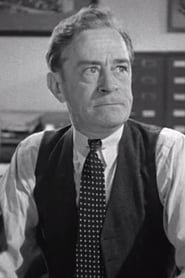
Thomas E. Jackson
Actor
Born: June 15, 1888 in New York City, New York, USA Died: September 7, 1967 Active: 1921-1958 Birth Name: Thomas Edward Jackson
Films
4 films
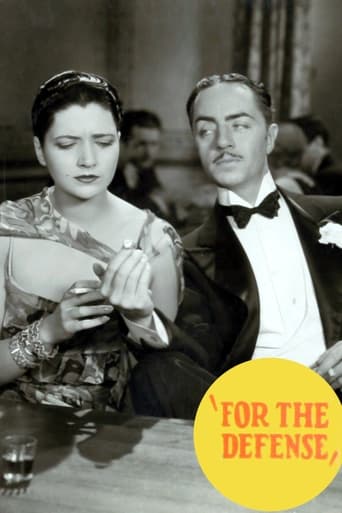
About Thomas E. Jackson
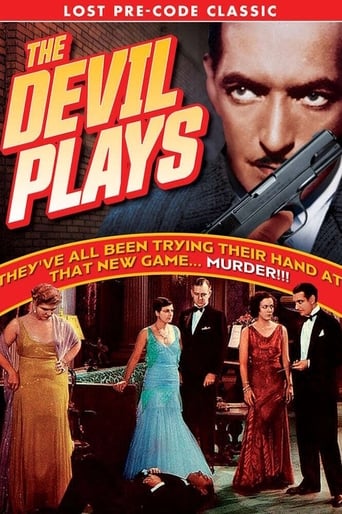
Prolific American character actor: the transition from silent films to the Golden Age of Hollywood. Born in New York City in 1888, he began his career as a stage actor before making his film debut in 'The Devil Plays' (1921). Jackson became recognizable supporting actors of his era, appearing in over 250 films between 1921 and 1958. He was particularly typecast as authority figures, frequently portraying police officers, detectives, military men, judges, and government officials with his distinctive stern appearance and commanding presence. Jackson successfully navigated the challenging transition from silent films to talkies, continuing his steady employment throughout the Great Depression and World War II. He worked with virtually every major studio in Hollywood and appeared in numerous classic films, though often in uncredited or minor roles. Jackson retired from acting in the late 1950s due to declining health and passed away in Hollywood in 1967, leaving behind a legacy as one of cinema's most reliable character actors.
The Craft
On Screen
Jackson was known for his authoritative presence and stern demeanor, with a distinctive serious expression and commanding voice that made him ideal for playing law enforcement officers, military men, and other authority figures. His acting style was straightforward and realistic, fitting well within the studio system of Golden Age Hollywood. He had a natural, no-nonsense approach to his roles that brought authenticity to his portrayals of officials and law enforcement personnel.
Milestones
- Film debut in 'The Devil Plays' (1921)
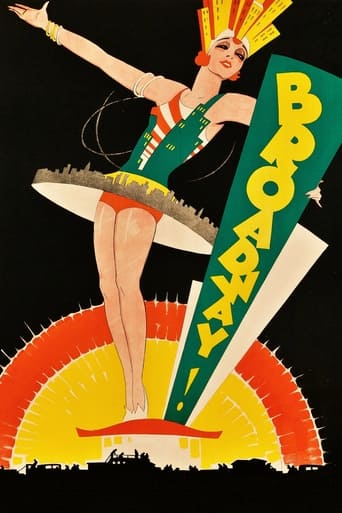
- Appeared in early talkie 'Broadway' (1929)
- Prolific career with over 250 film appearances
- Frequently cast as police officers and authority figures
- Successful transition from silent films to talkies
- Worked with every major Hollywood studio
- Appeared in numerous classic films of the 1930s and 1940s
Best Known For
Iconic Roles
Must-See Films
Working Relationships
Worked Often With
Studios
Why They Matter
Impact on Culture
Thomas E. Jackson contributed significantly to the fabric of Golden Age Hollywood by providing reliable, authentic performances in supporting roles that helped ground hundreds of classic films. His frequent portrayals of authority figures helped establish visual and performance conventions for law enforcement and military characters in American cinema, creating archetypes that would influence generations of filmmakers. While never a star, his familiar face became synonymous with integrity and authority in 1930s and 1940s cinema, making him an essential part of the Hollywood studio system's success. His ability to transition seamlessly from silent films to talkies demonstrated the adaptability required of actors during this transformative period in cinema history.
Lasting Legacy
Thomas E. Jackson's legacy is that of a quintessential Hollywood character actor who embodied the working professional of Golden Age cinema. His extensive filmography represents a comprehensive cross-section of American film history from the silent era through the studio system's peak. While not a household name, film historians recognize him as part of the essential supporting cast that gave classic films their depth and authenticity. His career shows the importance of character actors in creating believable cinematic worlds, and his performances continue to be appreciated by classic film enthusiasts who recognize the vital role he played in Hollywood's golden era.
Who They Inspired
As a character actor specializing in authority figures, Jackson influenced the archetype of the law enforcement officer and military man in American cinema. His consistent and believable portrayals helped establish performance templates that subsequent actors would follow in similar roles. His career longevity demonstrated how character actors could maintain steady employment in Hollywood through professionalism, reliability, and versatility. His work ethic and adaptability during the transition from silent to sound films served as a model for other actors facing similar challenges in the rapidly changing film industry of the 1920s and 1930s.
Off Screen
Thomas E. Jackson was married twice during his lifetime. His first marriage was to actress Martha Sleeper, a prominent silent film actress, though their marriage ended in divorce after five years. He later married Catherine H. Jackson, with whom he remained until his death in 1967. Jackson was known in Hollywood as a reliable professional, respected for his work ethic and consistency. He lived in the Los Angeles area during his film career and was considered a dedicated family man away from the studios. Despite his prolific career, he maintained a relatively private personal life, avoiding the Hollywood spotlight that many of his contemporaries sought.
Family
- Martha Sleeper (1925-1930)
- Catherine H. Jackson (1932-1967)
Did You Know?
- Appeared in over 250 films during his 37-year career
- Began as a stage actor before transitioning to films
- Was frequently typecast as police officers and detectives due to his stern appearance
- Made a successful transition from silent films to talkies
- Was married to silent film star Martha Sleeper early in his career
- Had a distinctive authoritative presence that made him ideal for playing officials
- Worked with virtually every major Hollywood studio during his career
- Appeared in multiple films directed by Frank Capra
- Was
- Continued working steadily through the Great Depression and World War II years
- Often appeared uncredited despite having significant screen time
- His filmography includes many of the most celebrated films of the 1930s and 1940s
Frequently Asked Questions
Who was Thomas E. Jackson?
Screen credits include over 250 films during Hollywood's Golden Age. He was particularly known for playing authority figures like police officers, detectives, and military men, with a career spanning from the silent era through the 1950s.
What films is Thomas E. Jackson best known for?
Titles linked here include The Devil Plays (1921), Broadway (1929).
When was Thomas E. Jackson born and when did he die?
Born June 15, 1888; died September 7, 1967.
What awards did Thomas E. Jackson win?
Thomas E. Jackson did not receive major awards during his career, which was typical for character actors of his era who often worked in supporting roles. However, his prolific career and consistent work made him a respected professional in Hollywood.
What was Thomas E. Jackson's acting style?
Jackson was known for his authoritative presence and stern demeanor, with a distinctive serious expression and commanding voice. His acting style was straightforward and realistic, making him ideal for portraying law enforcement officers, military men, and other authority figures in Hollywood's studio system.
How did Thomas E. Jackson transition from silent films to talkies?
Jackson successfully made the transition from silent films to talkies, appearing in the early sound film 'Broadway' (1929). His commanding voice and authoritative presence actually enhanced his career in sound films, where he continued to be typecast in authority roles.
Was Thomas E. Jackson married to anyone famous?
Yes, Jackson's first marriage was to Martha Sleeper, a prominent silent film actress, from 1925 to 1930. He later married Catherine H. Jackson, with whom he remained until his death in 1967.