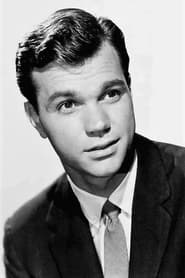
Darryl Hickman
Actor
Born: July 28, 1931 in Hollywood, California, USA Active: 1937-1975 (as actor), 1960s-1990s (as producer/coach) Birth Name: Darryl Gerard Hickman
Films
1 film
About Darryl Hickman
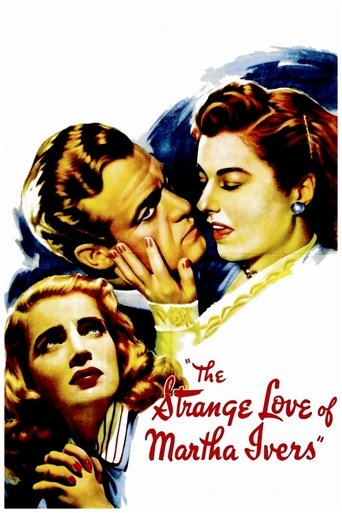
Darryl Hickman began his career as a child actor in Hollywood's Golden Age, making his film debut at just six years old. He quickly became recognizable child performers of the 1940s, appearing in over 50 films throughout his acting career. His breakthrough role came in 'The Strange Love of Martha Ivers' (1946) where he played the young Walter O'Neil opposite Barbara Stanwyck and Kirk Douglas. Hickman's naturalistic acting style set him apart from other child actors of his era, bringing emotional depth and authenticity to his roles. After serving in the Army during the Korean War, he transitioned into television production and became an influential acting coach. He worked as a programming executive at CBS and later developed innovative techniques for training young actors. Hickman authored several books on acting and continued to mentor performers well into his later years, making significant contributions to both classic cinema and modern actor training.
The Craft
On Screen
Naturalistic and emotionally authentic, Hickman avoided the theatrical mannerisms common among child actors of his era. He brought a raw vulnerability and psychological depth to his roles, particularly in dramatic performances. His technique emphasized emotional truth over technical perfection, making his characters feel genuine and relatable. Critics often praised his ability to convey complex emotions without overacting, a skill that made him particularly effective in serious dramatic roles.
Milestones
- Child actor in 50+ films during Hollywood's Golden Age
- Starred in 'The Strange Love of Martha Ivers' (1946)
- Appeared in 'The Grapes of Wrath' (1940)
- Became CBS programming executive
- Founded acting school and coaching program
- Authored books on acting technique
Best Known For
Iconic Roles
Must-See Films
Accolades
Won
- Young Artist Award - Former Child Star Lifetime Achievement Award (1994)
Nominated
- Academy Juvenile Award nomination (1943)
Special Recognition
- Hollywood Walk of Fame star (1994)
- Young Artist Hall of Fame inductee
Working Relationships
Worked Often With
Studios
Why They Matter
Impact on Culture
Darryl Hickman represented a new generation of naturalistic child actors who moved away from the overly theatrical style of earlier Hollywood child performers. His performances in films like 'The Grapes of Wrath' and 'The Strange Love of Martha Ivers' helped establish a more realistic approach to child acting that influenced subsequent generations. As a television executive during the medium's golden age, he helped shape programming decisions that affected millions of American viewers. His later work as an acting coach created a bridge between classic Hollywood techniques and contemporary acting methods.
Lasting Legacy
Hickman's legacy spans multiple facets of entertainment history. As a child actor, he left behind a body of work that exemplifies the best of Hollywood's Golden Age performances by young performers. His transition to television production demonstrated the adaptability of Hollywood talent in the changing media landscape. Most significantly, his contributions to actor training and education have influenced countless performers, ensuring that the techniques and values of classic cinema continue to inform contemporary acting. His books and coaching programs have become valuable resources for understanding both the technical and emotional aspects of screen acting.
Who They Inspired
Hickman influenced child acting by demonstrating that young performers could deliver nuanced, emotionally authentic performances without resorting to precocious mannerisms. His naturalistic style paved the way for more realistic child performances in later decades. As an acting coach, he synthesized classical techniques with modern psychological approaches, helping actors understand the emotional foundations of character development. His work at CBS influenced television programming during its formative years, contributing to the medium's artistic development.
Off Screen
Hickman married twice in his lifetime, first to Pamela Lincoln, an actress he met during his early career, and later to Lynda Smith. He has two children, including son Darryl Hickman Jr., who followed in his father's footsteps in the entertainment industry. After leaving acting, Hickman became deeply involved in education and actor training, founding his own acting studio. He has been an advocate for child actors' rights and welfare, drawing from his own experiences as a young performer in Hollywood's studio system.
Education
University of Southern California (attended), Los Angeles City College (studied drama)
Family
- Pamela Lincoln (1956-1979)
- Lynda Smith (1982-present)
Did You Know?
- Began his career at age 6 after being discovered while attending a movie with his mother
- His older brother Dwayne Hickman also became a famous actor, starring in 'The Many Loves of Dobie Gillis'
- Served in the U.S. Army during the Korean War
- Was originally considered for the role of Jim Stark in 'Rebel Without a Cause' before James Dean was cast
- Worked as a dialogue coach on 'The Godfather' (1972)
- Taught acting at the American Film Institute
- Appeared in the original 'The Day the Earth Stood Still' (1951)
- Was a member of the Screen Actors Guild's board of directors
- His performance in 'The Grapes of Wrath' was praised by John Steinbeck, the novel's author
- Developed a unique acting technique called 'Emotional Recall Training'
In Their Own Words
Acting isn't about pretending; it's about finding the truth within yourself and bringing it to the character
Child actors have a special responsibility to remain children while doing adult work
The best performances come not from technique alone, but from the courage to be vulnerable on camera
Classic films teach us that storytelling is timeless, even when techniques change
Frequently Asked Questions
Who was Darryl Hickman?
Screen credits include over 50 films, including 'The Strange Love of Martha Ivers' and 'The Grapes of Wrath.' He later became a television executive and influential acting coach, authoring books on acting technique and training generations of performers.
What films is Darryl Hickman best known for?
Titles linked here include The Strange Love of Martha Ivers (1946), The Grapes of Wrath (1940).
When was Darryl Hickman born and is he still alive?
Born July 28, 1931; died death date not listed.
What awards did Darryl Hickman win?
Hickman received the Young Artist Award for Former Child Star Lifetime Achievement in 1994 and was nominated for an Academy Juvenile Award in 1943. He also received a star on the Hollywood Walk of Fame in 1994 and was inducted into the Young Artist Hall of Fame.
What was Darryl Hickman's acting style?
Hickman was known for his naturalistic and emotionally authentic acting style, which set him apart from other child actors of his era. He avoided theatrical mannerisms and instead focused on conveying genuine emotions and psychological depth, bringing a raw vulnerability to his dramatic roles.
Did Darryl Hickman have any famous family members?
Yes, his younger brother Dwayne Hickman became a famous television actor, best known for starring in 'The Many Loves of Dobie Gillis.' Both brothers had successful careers in entertainment, though Darryl focused more on dramatic films while Dwayne became a television comedy star.
What did Darryl Hickman do after his acting career?
After his acting career, Hickman served in the Army during the Korean War, then became a programming executive at CBS during television's golden age. He later founded an acting school, became an influential acting coach, authored books on acting technique, and worked as a dialogue coach on major films including 'The Godfather.'