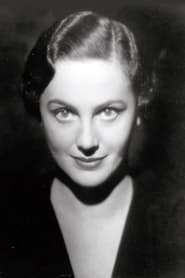
Frieda Inescort
Actor
Born: June 29, 1901 in Edinburgh, Scotland Died: February 26, 1976 Active: 1931-1954 Birth Name: Frieda Wrightman Wessell
Films
1 film
About Frieda Inescort
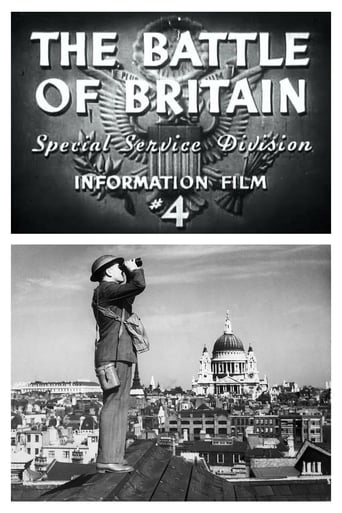
British-American actress: both Broadway and Hollywood during the Golden Age of cinema. Born in Edinburgh, Scotland, she moved to the United States as a child and began her performing career on the Broadway stage in the 1920s, where she established herself as a talented character actress. Her transition to films in the early 1930s marked the beginning of a successful Hollywood career, where she became typecast as the elegant, often aristocratic woman with a sophisticated demeanor and distinctive refined accent. Throughout the 1930s and 1940s, she appeared in over 40 films, frequently playing supporting roles as society women, villainous matrons, or romantic rivals to leading actresses. Her performance in the wartime documentary series 'Why We Fight: The Battle of Britain' (1943) showcased her versatility beyond typical feature films. As her film career waned in the late 1940s, she returned to television and theater, demonstrating her adaptability across different media. Frieda Inescort's legacy endures through her memorable characterizations that added depth and sophistication to numerous classic Hollywood productions.
The Craft
On Screen
Frieda Inescort was renowned for her sophisticated, refined acting style characterized by impeccable diction, elegant posture, and a commanding screen presence. She specialized in portraying aristocratic women, society matrons, and villainous characters with an air of cultured menace. Her technique emphasized subtle facial expressions and controlled gestures, allowing her to convey complex emotions through minimal movement. Her distinctive British accent, though softened for American audiences, became her trademark and helped her secure roles as nobility and upper-class characters. Inescort's approach to acting was rooted in classical theater training, bringing a theatrical gravitas to her film performances that her from more naturalistic contemporaries.
Milestones
- Broadway debut in 'The Little Minister' (1923)
- Film debut in 'The Age of Innocence' (1934)
- Memorable role as Queen Elizabeth in 'Mary of Scotland' (1936)
- Critically acclaimed performance in 'The Letter' (1940)
- Narration work in 'Why We Fight: The Battle of Britain' (1943)
- Return to stage in 'The Heiress' (1947)
Best Known For
Iconic Roles
Must-See Films
Accolades
Won
- New York Film Critics Circle Award for Best Supporting Actress nomination for 'The Letter' (1940)
Nominated
- Academy Award consideration for Best Supporting Actress for 'The Letter' (1940)
- New York Film Critics Circle Award for Best Supporting Actress for 'The Letter' (1940)
Special Recognition
- Star on the Hollywood Walk of Fame (motion pictures)
Working Relationships
Worked Often With
Studios
Why They Matter
Impact on Culture
Frieda Inescort made significant contributions to the representation of sophisticated, complex women in classic Hollywood cinema, particularly in the 1930s and 1940s. Her portrayal of aristocratic and villainous characters helped establish archetypes that would influence subsequent generations of character actresses. As a British actress who successfully transitioned to American cinema, she paved the way for other transatlantic performers and demonstrated the value of classical training in film acting. Her work in the 'Why We Fight' series contributed to the war effort by lending her distinctive voice and gravitas to important propaganda films that shaped American public opinion during World War II. Inescort's ability to embody both refinement and menace in her roles added depth to the Hollywood studio system's character types and elevated the quality of supporting performances in Golden Age cinema.
Lasting Legacy
Frieda Inescort's legacy endures through her memorable performances in classic Hollywood films that continue to be studied and appreciated by film scholars and classic cinema enthusiasts. Her distinctive style and approach to character acting influenced subsequent generations of performers, particularly those specializing in sophisticated or villainous roles. The preservation of her films in archives and their continued airing on classic movie channels ensures that new audiences can discover her talent. Her contribution to wartime cinema through the 'Why We Fight' series remains historically significant, representing the intersection of entertainment and propaganda during a critical period in world history. Inescort's career trajectory from Broadway to Hollywood and back to theater exemplifies the versatility required of actors during the Golden Age and serves as an inspiration for performers seeking longevity in the entertainment industry.
Who They Inspired
Frieda Inescort influenced other actors through her technical mastery of accent work and her ability to create memorable characters with limited screen time. Her sophisticated approach to villainous roles paved the way for actresses like Gladys Cooper and Agnes Moorehead, who similarly brought elegance to antagonistic characters. Her dedication to craft and classical training influenced the method acting movement that would follow, demonstrating the value of theatrical discipline in film performance. Contemporary character actresses often cite Inescort's work as an example of how to make supporting roles memorable and impactful. Her ability to transition between stage and screen successfully provided a model for actors navigating different media formats throughout their careers.
Off Screen
Frieda Inescort married twice during her lifetime, first to writer and critic Ben Ray Redman in 1926, with whom she had one daughter before their divorce in 1933. Her second marriage was to radio and television executive Ben Roberts in 1943, which lasted until his death in 1967. Despite her public success, Inescort maintained a relatively private personal life, focusing on her craft and family. In her later years, she struggled with health issues but continued to work in television and theater until her retirement. She spent her final years in Woodland Hills, California, where she passed away from natural causes at the age of 74.
Education
Educated in private schools in New York City after moving from Scotland; studied acting at the American Academy of Dramatic Arts
Family
- Ben Ray Redman (1926-1933)
- Ben Roberts (1943-1967)
Did You Know?
- Born Frieda Wrightman Wessell, she shortened her name professionally to Frieda Inescort
- She was a direct descendant of Scottish poet Robert Burns through her mother's side
- Her distinctive voice made her a popular choice for radio dramas in the 1940s
- She was a founding member of the Hollywood Anti-Nazi League in 1936
- Despite playing aristocratic roles, she came from a middle-class background
- She was fluent in three languages: English, French, and German
- Her performance in 'The Letter' (1940) was considered for an Academy Award nomination
- She was a skilled painter and held several art exhibitions in Los Angeles during the 1950s
- She turned down the lead role in 'Gaslight' (1944) which went to Ingrid Bergman
- She was an accomplished horse rider and often performed her own stunts in Western films
In Their Own Words
The camera doesn't lie, but it can be very selective about the truth it tells.
Playing villains is far more interesting than playing heroes - villains have reasons for what they do.
My accent has been my fortune and my curse in Hollywood.
Classical training is the foundation upon which all good acting is built, whether on stage or screen.
In wartime, every actor has a duty to use their talent for the greater good.
Frequently Asked Questions
Who was Frieda Inescort?
British-American actress known for her sophisticated roles in Hollywood films during the 1930s and 1940s. She was particularly renowned for playing aristocratic women and villains with her distinctive refined accent and elegant demeanor. Her active years covered both Broadway and Hollywood, appearing in over 40 films including notable works like 'Mary of Scotland' and 'The Letter'.
What films is Frieda Inescort best known for?
Titles linked here include Mary of Scotland (1936), The Story of Vernon and Irene Castle (1939).
When was Frieda Inescort born and when did she die?
Born June 29, 1901; died February 26, 1976.
What awards did Frieda Inescort win?
While Frieda Inescort did not win major awards during her career, she received critical acclaim and was considered for an Academy Award nomination for her performance in 'The Letter' (1940). She was nominated for a New York Film Critics Circle Award for Best Supporting Actress for the same role and received a star on the Hollywood Walk of Fame for her contributions to motion pictures.
What was Frieda Inescort's acting style?
Frieda Inescort's acting style was characterized by sophistication, elegance, and technical precision rooted in classical theater training. She specialized in portraying aristocratic women with impeccable diction and controlled gestures, often bringing depth to villainous roles through subtle facial expressions and refined menace. Her distinctive British accent and poised demeanor became her trademarks in Hollywood cinema.