
Films
1 film
About Takiko Mizunoe
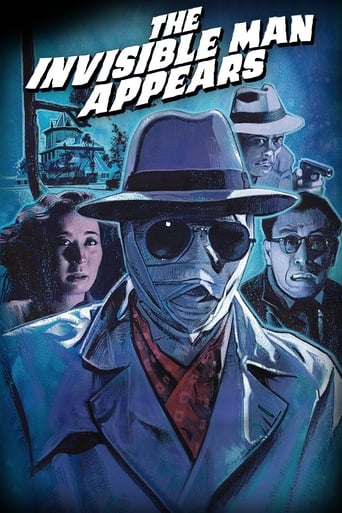
Takiko Mizunoe is credited on a single production — The Invisible Man Appears (1949). Tōmei ningen arawaru), which was produced by Daiei Film and directed by Nobuo Adachi. This film was notable as one of Japan's earliest science fiction productions, predating the kaiju boom that would begin with 'Godzilla' in 1954. Mizunoe's role in this sci-fi film places her among the early performers in Japan's genre cinema, though her career appears to have been extremely brief. The film itself was an adaptation of H.G. Wells' famous novel, reimagined in a Japanese context, and represented the country's cinematic exploration of science fiction themes during a period of rebuilding and modernization after World War II. Unfortunately, very little documentation survives about Mizunoe's life beyond this single film appearance, suggesting she may have been a brief contributor to Japan's cinematic history rather than a long-term performer in the industry.
The Craft
Milestones
- Appeared in 'The Invisible Man Appears' (1949), one of Japan's earliest science fiction films
Best Known For
Iconic Roles
Must-See Films
Working Relationships
Worked Often With
Studios
Why They Matter
Impact on Culture
Takiko Mizunoe's contribution to cinema, while limited to a single film, places her as part of the generation of Japanese science fiction cinema. Her appearance in 'The Invisible Man Appears' came during a crucial period when Japanese filmmakers were beginning to explore genre cinema beyond traditional dramas and period pieces. The film itself represents an early attempt by Japanese cinema to adapt Western science fiction concepts for domestic audiences, predating the country's more famous contributions to the genre. While her individual impact may have been minimal due to the brevity of her career, she participated in a film that helped establish the foundation for Japan's later dominance in science fiction and monster cinema.
Lasting Legacy
Takiko Mizunoe's legacy is primarily preserved through her participation in one of Japan's earliest science fiction films. While she did not have an extensive filmography that would typically cement a lasting legacy in cinema history, her contribution to 'The Invisible Man Appears' represents a small but significant part of Japanese film history during the post-war period. The film itself has gained historical significance among cinema scholars and enthusiasts as an early example of Japanese science fiction, making Mizunoe a footnote in the broader narrative of Japan's genre cinema development. Her story also illustrates how many performers from this era had brief or undocumented careers, with their contributions existing only through the films that survive.
Who They Inspired
Due to the extremely limited nature of Takiko Mizunoe's known film work, there is no documented evidence of her influence on other actors or filmmakers. Her single appearance in 'The Invisible Man Appears' suggests she may have been a brief participant in the film industry rather than someone who had a lasting impact on subsequent generations of performers. However, her involvement in an early Japanese science fiction film means she was part of the foundation that would later influence the country's massive contribution to global genre cinema.
Off Screen
Very little information is available about Takiko Mizunoe's personal life, as she appears to have had only a brief involvement in the film industry with a single known credit.
Did You Know?
- 'The Invisible Man Appears' (1949) was one of Japan's earliest science fiction films, predating the famous kaiju films of the 1950s
- The film was produced by Daiei Film, which would later become famous for the Gamera series
- The film was an adaptation of H.G. Wells' 'The Invisible Man' novel, reimagined in a Japanese context
- Takiko Mizunoe appears to have had only this one film credit, making her a mysterious figure in Japanese cinema history
- The film was released during Japan's post-war reconstruction period when the country's film industry was rebuilding and exploring new genres
- Very little documentation survives about many supporting actors from this period of Japanese cinema
Frequently Asked Questions
Who was Takiko Mizunoe?
Japanese actress active in the late 1940s, known primarily for her appearance in the 1949 science fiction film 'The Invisible Man Appears.' She appears to have had a very brief film career with only this single documented credit, making her a somewhat mysterious figure in Japanese cinema history.
What films is Takiko Mizunoe best known for?
Titles linked here include The Invisible Man Appears (1949).
When was Takiko Mizunoe born and when did she die?
Unfortunately, specific birth and death dates for Takiko Mizunoe are not documented in available film archives or historical records. She is known to have been active in 1949, but her personal biographical details remain unknown.
What awards did Takiko Mizunoe win?
There are no documented awards or nominations for Takiko Mizunoe. Given that she appears to have had only one film credit in 1949, she did not receive formal recognition in the form of awards during her brief time in the film industry.
What was Takiko Mizunoe's acting style?
Due to the limited documentation of her work and the fact that only one film credit is known, there is insufficient information to characterize Takiko Mizunoe's specific acting style or techniques. Her contribution to Japanese cinema remains primarily through her participation in an early science fiction film.