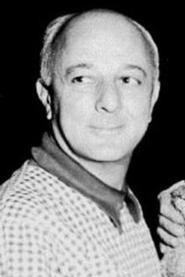
Lew Landers
Director
Born: April 12, 1895 in New York City, New York, USA Died: February 16, 1972 Active: 1920s-1950s Birth Name: Louis Friedlander
Films
1 film
About Lew Landers
Lew Landers was the professional name of Louis Friedlander, an American film director whose the studio era from the mid-1930s through the early 1950s. Born in New York City, he began in the motion-picture industry as an actor before moving behind the camera, where he became one of Hollywood's most reliable craftsmen of efficient, fast-moving B pictures. He adopted the name Lew Landers when he transitioned to directing, a common practice in the studio system for filmmakers seeking a more streamlined screen identity. Landers worked steadily for Columbia Pictures, Republic, Universal, and other studios, directing a wide variety of genres including mysteries, crime dramas, westerns, comedies, serials, and horror films. He is especially remembered by genre-film fans for The Raven (1935), a notable Boris Karloff and Bela Lugosi horror picture, as well as for numerous programmers that helped fill the demands of the studio era's release schedules. Although he was not typically associated with prestige productions or major awards, he built a reputation as a dependable director who could deliver professional, well-paced entertainment on modest budgets. His career reflects the industrial side of classic Hollywood: prolific, practical, and deeply embedded in the studio system that powered American cinema in the 1930s and 1940s.
The Craft
Behind the Camera
Lew Landers was known for an efficient, workmanlike directing style tailored to the demands of studio-era production. His films were typically marked by brisk pacing, clear storytelling, and a practical emphasis on keeping narratives moving within modest running times and budgets. He was especially effective in genre material, where atmosphere, action, and economy mattered more than elaborate visual flourishes. Like many contract directors of the period, he was less known for a highly personal authorial signature than for reliability, speed, and the ability to deliver polished entertainment on schedule. In horror and suspense films, he used shadows, brisk editing, and straightforward dramatic staging to create mood without excessive expense.
Milestones
- Transitioned from acting into directing during the studio era and established himself as a dependable craftsman of low- and mid-budget films.
- Directed the early horror film The Raven (1935), one of the best-remembered titles of his career and a key collaboration with Boris Karloff and Bela Lugosi.
- Worked prolifically across multiple genres, including crime melodramas, westerns, adventure serials, and mystery films, making him a valuable studio utility director.
- Helmed numerous pictures for Columbia Pictures and other major and minor studios, helping sustain the output of the classic Hollywood production system.
- Directed film serials and genre fare that later became of interest to fans and historians of horror, pulp, and B-movie cinema.
- Maintained a long career under both his birth name and his adopted screen name, demonstrating adaptability in the fast-changing film industry.
Best Known For
Must-See Films
Working Relationships
Worked Often With
Studios
Why They Matter
Impact on Culture
Lew Landers' cultural impact lies less in auteur recognition than in his role as a representative studio-era director whose work helped define the texture of American B cinema. His films, especially in the horror and thriller categories, contributed to the popular imagination of 1930s and 1940s genre cinema, giving audiences atmosphere, suspense, and monster-movie spectacle at a time when such pictures were a staple of double features and neighborhood theaters. The Raven, in particular, remains part of the classic horror canon because it paired two of Universal's most famous horror stars and demonstrated the continuing market for Gothic thrillers after the peak of the early monster cycle. Landers also helped normalize the idea that genre cinema could be reliably entertaining even when produced quickly and inexpensively, a standard that influenced the later appreciation of B movies as a distinctive film culture rather than merely disposable product.
Lasting Legacy
Landers' legacy is strongest among historians and fans of classic genre cinema, where he is recognized as one of the industrious directors who kept Hollywood's mid-tier production engine running. His work is frequently revisited by scholars interested in studio-era industrial practices, because his filmography illustrates how directors navigated shifting market demands across horror, western, crime, and serial formats. While he did not become a household-name auteur, his name is attached to several enduring titles that continue to circulate in classic horror and cult-film programming. He represents the practical artistry of the studio system: a filmmaker whose contribution was consistency, efficiency, and the ability to make marketable entertainment across many genres. For modern viewers, his films offer a useful window into the mechanics and pleasures of Golden Age Hollywood's lower-budget production culture.
Who They Inspired
Lew Landers influenced the broader culture of genre filmmaking by demonstrating how suspense and horror could be delivered effectively within strict time and budget limits. His genre work helped establish narrative and visual conventions that later B-movie directors would continue to use: economical sets, swift exposition, moody lighting, and tightly paced climaxes. Though not often cited as a major stylistic innovator, he was part of the generation of studio directors whose craftsmanship shaped audience expectations for serials, monster films, and programmers. His career also serves as a model for filmmakers who value versatility, showing how a director could move fluidly across genres and remain steadily employed in the classic studio era.
Off Screen
Lew Landers was born Louis Friedlander and worked in a Hollywood system where many filmmakers adopted professional names to suit studio publicity and career branding. Publicly documented personal details about his private life are relatively limited compared with his filmography, and he is not widely remembered for a highly publicized celebrity life. He appears in historical records primarily as a working director rather than as a figure associated with major scandals, publicity campaigns, or star-driven gossip. Information on his marriages and family is not consistently recorded in standard film references, so only limited personal biography is readily verifiable from widely available sources.
Education
Formal educational details are not well documented in standard film-reference sources. He is chiefly known through his professional film career rather than through widely reported academic training.
Did You Know?
- Lew Landers was born Louis Friedlander, and he adopted a shorter professional name for his directing career.
- He began his career as an actor before becoming a director, a relatively common path in early Hollywood.
- He directed The Raven (1935), a horror film that paired Boris Karloff and Bela Lugosi, two of the era's most iconic genre stars.
- His filmography includes a wide range of genre pictures, from westerns and mysteries to horror and adventure serials.
- He was one of the many prolific studio directors whose reputations were built on speed, reliability, and adaptability rather than celebrity.
- His name is especially familiar to fans of cult cinema and classic horror programming.
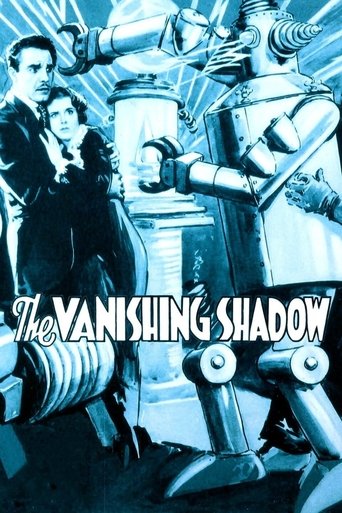
- He directed The Vanishing Shadow (1934), an early serial associated with science-fiction and adventure serial traditions.
- Landers worked for several studios, reflecting the contract-based nature of Hollywood directing in the studio era.
- Many of his films were designed as programmers, meaning they were intended to support double features rather than serve as prestige releases.
Frequently Asked Questions
Who was Lew Landers?
Lew Landers was the professional name of Louis Friedlander, an American film director who worked prolifically in the studio era. He is best known for directing efficient genre films, especially horror, crime, western, and serial pictures from the 1930s through the 1950s.
What films is Lew Landers best known for?
Titles linked here include The Raven (1935), The Vanishing Shadow (1934).
When was Lew Landers born and when did he die?
Born April 12, 1895; died February 16, 1972.
What awards did Lew Landers win?
He is not widely documented as having won major industry awards such as Academy Awards. His reputation rests instead on a long, productive career as a studio director and on the enduring cult status of some of his genre films.
What was Lew Landers' directing style?
His directing style was practical, brisk, and highly efficient, reflecting the demands of studio-era B-picture production. He focused on clear storytelling, quick pacing, and atmosphere, especially in horror and suspense films where economy and mood were essential.
What is Lew Landers' legacy in film history?
His legacy lies in the classic studio system's craftsmanship culture, where dependable directors kept genres alive through constant production. He remains an important figure for historians and fans of classic horror and B movies, especially because his work helped shape the look and rhythm of mid-budget Hollywood entertainment.