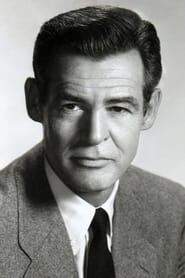
Robert Ryan
Actor
Born: November 11, 1909 in Chicago, Illinois, USA Died: July 11, 1973 Active: 1940-1973 Birth Name: Robert Bushnell Ryan
Films
1 film
About Robert Ryan
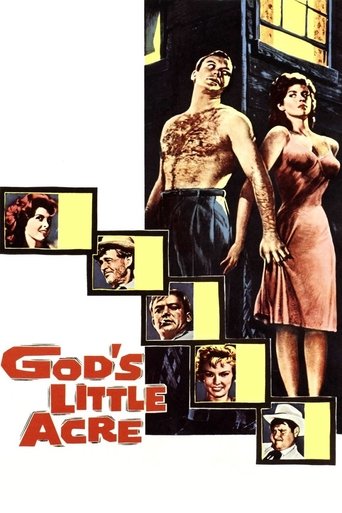
Robert Bushnell Ryan was one of Hollywood's most distinctive and intense character actors of the 1940s, 50s, and 60s, renowned for his ability to portray complex, often violent and tormented characters. After graduating from Dartmouth College and briefly working as a ship's stoker, a coal miner, and a ranch hand, Ryan discovered acting and studied at Max Reinhardt's workshop. He made his film debut in 1940 and quickly established himself as a formidable presence in film noir, earning an Academy Award nomination for his role as an anti-Semitic murderer in 'Crossfire' (1947). Despite frequently playing brutal antagonists, Ryan — passionate liberal activist and civil rights advocate in real life, creating a fascinating dichotomy between his on-screen persona and off-screen beliefs. His over three decades and included memorable performances in classics like 'The Best Years of Our Lives,' 'Bad Day at Black Rock,' 'The Wild Bunch,' and 'The Dirty Dozen.' In 1958, he delivered a powerful performance as Ty Walden in 'God's Little Acre,' showcasing his ability to blend toughness with vulnerability. Ryan continued working until his death from lung cancer in 1973, leaving behind a legacy of compelling performances that redefined the character actor in American cinema.
The Craft
On Screen
Ryan was known for his intense, naturalistic acting style characterized by a raw physicality and emotional authenticity. He specialized in playing complex, often violent characters but brought remarkable depth and humanity to even his most brutal roles. His tall, imposing frame combined with a distinctive voice and piercing eyes made him particularly effective in film noir. Ryan had a unique ability to convey internal conflict and moral ambiguity, often playing characters struggling with their own nature or societal pressures. Despite his tough exterior, he could project vulnerability and sensitivity, creating multi-dimensional performances that transcended typical genre conventions.
Milestones
- Academy Award nomination for 'Crossfire' (1947)
- Breakthrough role in 'The Best Years of Our Lives' (1946)
- Memorable performance in 'Bad Day at Black Rock' (1955)
- Starring role in 'God's Little Acre' (1958)
- Iconic performance in 'The Dirty Dozen' (1967)
- Final film role in 'The Outfit' (1973)
Best Known For
Iconic Roles
Must-See Films
Accolades
Won
- National Board of Review Award for Best Actor for 'Crossfire' (1947)
Nominated
- Academy Award nomination for Best Supporting Actor for 'Crossfire' (1947)
- Golden Globe nomination for Best Supporting Actor for 'Crossfire' (1947)
- BAFTA nomination for Best Foreign Actor for 'The Young Lions' (1958)
Special Recognition
- Hollywood Walk of Fame star (located at 6101 Hollywood Boulevard)
- Inducted into the Western Performers Hall of Fame at the National Cowboy & Western Heritage Museum
Working Relationships
Worked Often With
Studios
Why They Matter
Impact on Culture
Robert Ryan significantly influenced American cinema's portrayal of masculinity and moral complexity during the mid-20th century. His ability to humanize violent and antagonistic characters helped elevate film noir and western genres beyond simple good-versus-evil narratives. Ryan's off-screen activism as a liberal advocate for civil rights and his opposition to McCarthyism made him a rare example of an actor whose personal convictions directly challenged the typecasting he faced in Hollywood. His performances in films like 'Crossfire' addressed social issues such as anti-Semitism at a time when such topics were rarely explored in mainstream cinema. Ryan's work helped pave the way for more nuanced character actors and demonstrated the commercial viability of films with serious social themes.
Lasting Legacy
Robert Ryan's legacy endures through his extensive body of work that includes over 100 films and numerous television appearances. He is remembered as one of Hollywood's most versatile character actors, capable of playing both villains and sympathetic leads with equal conviction. Film scholars often cite Ryan as a prime example of an actor who transcended typecasting through sheer talent and intensity. His performances continue to be studied in acting schools for their technical excellence and emotional authenticity. Ryan's influence can be seen in the work of subsequent generations of actors who specialize in playing morally ambiguous characters. The contrast between his on-screen persona and real-life political convictions has made him a subject of ongoing academic interest in Hollywood studies.
Who They Inspired
Ryan's naturalistic acting style influenced a generation of method actors who emerged in the 1950s and 60s. His ability to find humanity in brutal characters inspired actors like Marlon Brando and James Dean to explore similar complexity in their own performances. Directors such as Sam Peckinpah and Arthur Penn drew on Ryan's work when creating their own revisionist westerns and socially conscious films. Contemporary actors who specialize in playing morally ambiguous characters, from Russell Crowe to Joaquin Phoenix, owe a debt to Ryan's work in creating layered antagonists. His success in both mainstream Hollywood productions and independent films demonstrated the viability of maintaining artistic integrity while working within the studio system.
Off Screen
Robert Ryan was known for his strong political convictions and civil rights activism, which contrasted sharply with the often violent characters he portrayed on screen. He was a vocal supporter of progressive causes, including civil rights, and actively campaigned against McCarthyism during the Red Scare era. Ryan was married to Jessica Cadwalader from 1939 until her death from cancer in 1972, just one year before his own death. The couple had three children together: Timothy, Lisa, and Cheyney. Despite his Hollywood success, Ryan maintained a relatively private personal life and was known for his intellectual pursuits and love of literature. He was an accomplished sailor and spent much of his free time on his boat off the California coast.
Education
Dartmouth College (graduated 1932 with a degree in English), Max Reinhardt's Workshop (acting studies)
Family
- Jessica Cadwalader (1939-1972)
Did You Know?
- Ryan — championship boxer while at Dartmouth College, which contributed to his authentic physical presence in fight scenes
- He was a passionate civil rights activist and served on the board of the Committee for the Sane Nuclear Policy
- Ryan turned down the lead role in 'High Noon' (1952) which went to Gary Cooper
- He was a close friend of fellow actor Robert Mitchum, with whom he appeared in several films
- Ryan — accomplished sailor and owned a 42-foot ketch named 'The Chantey'
- He was blacklisted during the McCarthy era but continued to find work due to his box office appeal
- Ryan was one of the first Hollywood stars to publicly support Martin Luther King Jr.
- He appeared in both the original 'The Longest Day' (1962) and its 1992 television remake
- Ryan — licensed pilot and often flew himself to film locations
- His final film 'The Outfit' (1973) was released posthumously after his death from lung cancer
In Their Own Words
I've made a career out of playing sons of bitches
I'm a liberal and a liberal is a man who believes in freedom
The only thing I have against organized religion is that it has organized itself so much it has forgotten the teachings of Christ
I don't think there's any such thing as an actor who's not a character actor
I'm not a star. I'm an actor. Stars don't have to act
Frequently Asked Questions
Who was Robert Ryan?
Highly respected American with credits in this catalog. He was particularly acclaimed for his ability to portray complex, often violent characters with remarkable depth and humanity.
What films is Robert Ryan best known for?
Titles linked here include The Best Years of Our Lives (1946), Crossfire (1947).
When was Robert Ryan born and when did he die?
Born November 11, 1909; died July 11, 1973.
What awards did Robert Ryan win?
Robert Ryan received an Academy Award nomination for Best Supporting Actor for 'Crossfire' (1947) and won the National Board of Review Award for Best Actor for the same film. He also received a Golden Globe nomination and a BAFTA nomination for various performances throughout his career.
What was Robert Ryan's acting style?
Ryan was known for his intense, naturalistic acting style characterized by raw physicality and emotional authenticity. He specialized in playing complex, often violent characters but brought remarkable depth and humanity to even his most brutal roles, creating morally ambiguous performances that transcended typical genre conventions.
How did Robert Ryan's political views affect his career?
Ryan — passionate liberal and civil rights activist who opposed McCarthyism, which led to him being graylisted during the Red Scare era. Despite this, his box office appeal allowed him to continue working, though his political convictions sometimes created tension with Hollywood executives.
What was Robert Ryan's role in 'God's Little Acre'?
In 'God's Little Acre' (1958), Ryan played Ty Walden, the tough but emotionally complex patriarch of a rural Georgia family. His performance showcased his ability to blend toughness with vulnerability in a role that required both physical presence and emotional depth.