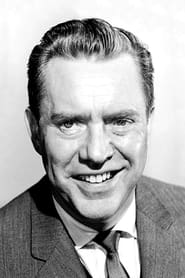
Edmond O'Brien
Actor
Born: September 15, 1915 in New York City, New York, USA Died: May 9, 1985 Active: 1938-1974 Birth Name: Edmond Joseph O'Brien
Films
3 films
About Edmond O'Brien
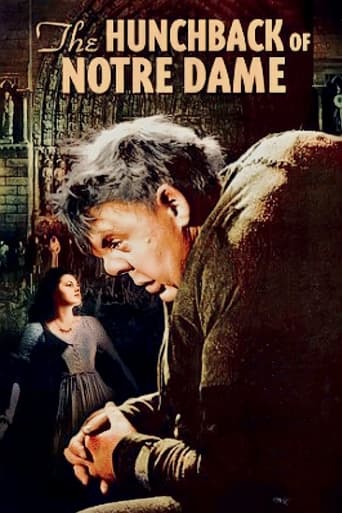
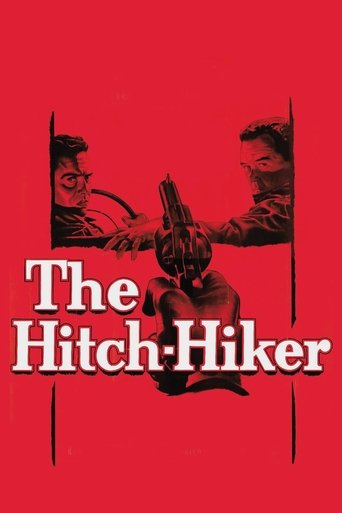
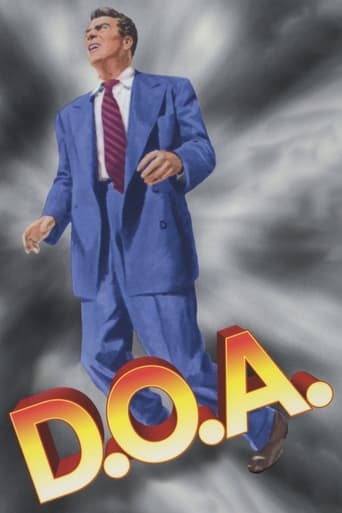
Edmond O'Brien was one of Hollywood's most versatile character actors of the Golden Age, known for his intense performances in both leading and supporting roles. Born in New York City in 1915, he began his career on Broadway before transitioning to films in the late 1930s. His breakthrough came with his role as Gringoire in 'The Hunchback of Notre Dame' (1939), establishing him as a promising young actor. O'Brien reached the pinnacle of his career in the 1950s with his Oscar-winning performance as the press agent in 'The Barefoot Contessa' (1954) and his memorable turn as the poisoned protagonist in the film noir classic 'D.O.A.' (1950). He became particularly renowned for his work in film noir, delivering compelling performances in movies like 'The Hitch-Hiker' (1953) and 'The Killers' (1946). As he aged, O'Brien successfully transitioned to character roles, appearing in notable films such as 'The Longest Day' (1962) and 'Seven Days in May' (1964). His career extended into television, where he starred in the series 'Sam Benedict' in the early 1960s. O'Brien's final years were marked by declining health due to Alzheimer's disease, and he passed away in 1985, leaving behind a legacy of over 100 film and television appearances.
The Craft
On Screen
Edmond O'Brien was known for his naturalistic, emotionally intense acting style that brought remarkable authenticity to every role. He possessed a unique ability to convey inner turmoil and psychological complexity through subtle facial expressions and a distinctive, slightly gravelly voice. O'Brien often played ordinary men thrust into extraordinary circumstances, making his characters relatable and human. His approach was methodical and deeply researched, allowing him to disappear completely into his roles. Whether playing a desperate man racing against time in 'D.O.A.' or a cynical press agent in 'The Barefoot Contessa,' O'Brien brought a raw, unvarnished realism that set him apart from his contemporaries.
Milestones
- Broadway debut in 'The Winged Victory' (1936)
- Film debut in 'The Hunchback of Notre Dame' (1939)
- Starred in film noir classic 'D.O.A.' (1950)
- Academy Award for Best Supporting Actor for 'The Barefoot Contessa' (1954)
- Golden Globe for 'The Barefoot Contessa' (1954)
- Starred in Ida Lupino's 'The Hitch-Hiker' (1953)
- Television series 'Sam Benedict' (1962-1963)
- Final film appearance in 'The Other Side of the Mountain' (1975)
Best Known For
Iconic Roles
Must-See Films
Accolades
Won
- Academy Award for Best Supporting Actor - 'The Barefoot Contessa' (1954)
- Golden Globe Award for Best Supporting Actor - 'The Barefoot Contessa' (1954)
- National Board of Review Award for Best Acting - 'D.O.A.' (1950)
Nominated
- Academy Award nomination for Best Actor - 'The Best Man' (1964)
- Golden Globe nomination for Best Actor - 'The Best Man' (1964)
- Emmy Award nomination for Outstanding Single Performance by an Actor - 'The United States Steel Hour' (1959)
Special Recognition
- Hollywood Walk of Fame Star (6723 Hollywood Blvd)
- Inducted into the Western Performers Hall of Fame
- Honored at the Film Noir Festival in 2005
Working Relationships
Worked Often With
Studios
Why They Matter
Impact on Culture
Edmond O'Brien significantly influenced the film noir genre through his groundbreaking performances that defined the everyman protagonist in crisis. His portrayal of Frank Bigelow in 'D.O.A.' created a template for the race-against-time narrative that would be emulated in countless films. O'Brien's ability to convey psychological depth and emotional vulnerability helped elevate the status of character actors in Hollywood, demonstrating that supporting roles could be as impactful as leading parts. His work in films like 'The Hitch-Hiker' and 'The Killers' contributed to the critical appreciation of film noir as a serious artistic genre. O'Brien's naturalistic acting style influenced a generation of actors who sought to move away from theatrical performances toward more authentic, psychologically grounded characterizations.
Lasting Legacy
Edmond O'Brien's legacy endures through his extensive body of work that spans some of Hollywood's most iconic films and genres. He is remembered as one of cinema's most reliable character actors, capable of elevating any material with his intense, authentic performances. His Oscar-winning role in 'The Barefoot Contessa' remains a masterclass in supporting acting, while his turn in 'D.O.A.' is frequently cited as one of the greatest performances in film noir history. O'Brien's influence can be seen in the work of contemporary character actors who specialize in playing ordinary men facing extraordinary circumstances. Film scholars continue to study his techniques for conveying complex emotions with subtlety and restraint, and his films are regularly featured in retrospectives and classic cinema festivals worldwide.
Who They Inspired
O'Brien's naturalistic approach to acting influenced the Method acting movement in Hollywood, demonstrating how psychological realism could enhance dramatic performances. His work in film noir helped establish the genre's conventions for portraying urban alienation and moral ambiguity. Contemporary actors like Philip Seymour Hoffman and John C. Reilly have cited O'Brien as an inspiration for their character work. Directors such as Martin Scorsese and the Coen Brothers have referenced O'Brien's performances when discussing the importance of character actors in creating authentic cinematic worlds. His technique of using physical transformation and vocal modulation to create distinct characters has become a standard approach in method acting training programs.
Off Screen
Edmond O'Brien was married three times and had three children. His personal life was relatively private compared to his Hollywood contemporaries, though he was known for his dedication to his craft and his professionalism on set. He was described by colleagues as a generous and supportive actor who often helped younger performers. In his later years, O'Brien struggled with Alzheimer's disease, which ultimately led to his death at age 69. He was remembered by friends and family as a devoted father and a man who maintained his dignity despite his declining health.
Education
Fordham University (studied drama), Neighborhood Playhouse School of the Theatre (studied under Sanford Meisner)
Family
- Nancy Kelly (1941-1942)
- Olga San Juan (1948-1958)
- Beverly O'Brien (1963-1985, his death)
Did You Know?
- He was a lifelong friend of fellow actor James Cagney
- He served in the Army Air Forces during World War II
- His role in 'D.O.A.' required him to appear progressively more ill as filming progressed
- He was originally considered for the role of Willy Loman in 'Death of a Salesman' on Broadway
- He turned down the role of Terry Malloy in 'On the Waterfront'
- He was one of the first actors to win an Oscar for playing a Hollywood insider
- His distinctive voice made him a popular choice for narration work
- He was a skilled amateur boxer in his youth
- He appeared in over 100 films and television shows during his career
- His daughter Bridget followed him into acting
- He was a founding member of the Actors Studio
- He once performed in a production with Marlon Brando early in both their careers
In Their Own Words
In this business, you're only as good as your last picture, and I've been lucky enough to make some good ones.
I never wanted to be a star. I wanted to be an actor, and there's a difference.
The best actors are the ones who make you forget you're watching a performance.
Film noir wasn't a genre to us; it was just the way we made movies about the world we lived in.
Playing a dying man in 'D.O.A.' was the most challenging role of my career because I had to show the progression without overdoing it.
Frequently Asked Questions
Who was Edmond O'Brien?
Highly respected American with credits in this catalog. He won an Academy Award for Best Supporting Actor and appeared in over 100 films and television shows throughout his career.
What films is Edmond O'Brien best known for?
Titles linked here include D.O.A. (1950), The Barefoot Contessa (1954).
When was Edmond O'Brien born and when did he die?
Born September 15, 1915; died May 9, 1985.
What awards did Edmond O'Brien win?
Edmond O'Brien won the Academy Award for Best Supporting Actor and the Golden Globe for Best Supporting Actor, both for his role as Oscar Muldoon in 'The Barefoot Contessa' (1954). He also received a National Board of Review Award for Best Acting for 'D.O.A.' (1950).
What was Edmond O'Brien's acting style?
O'Brien was known for his naturalistic, emotionally intense acting style that brought remarkable authenticity to his roles. He specialized in playing ordinary men in extraordinary circumstances, using subtle facial expressions and his distinctive gravelly voice to convey complex psychological states with remarkable realism.