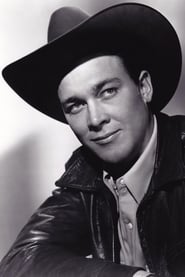
Ben Johnson
Actor
Born: June 13, 1919 in Foraker, Oklahoma, USA Died: April 8, 1996 Active: 1943-1994 Birth Name: Benjamin Johnson Jr.
Films
1 film
About Ben Johnson
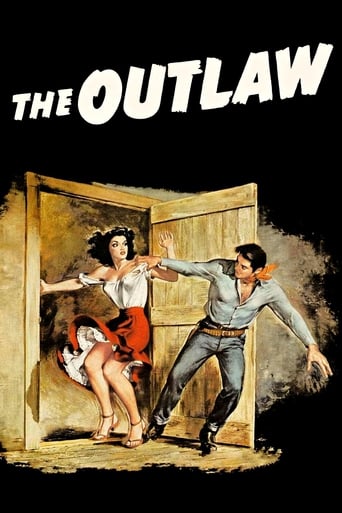
American actor and former rodeo cowboy who became one of Hollywood's most authentic Western performers. Born in Oklahoma, he began his career as a professional rodeo rider and horse trainer, which led to his introduction to the film industry through Howard Hughes, who hired him to work on the set of 'The Outlaw' (1943). His expertise with horses and genuine cowboy background made him invaluable in Western films, initially as a stuntman and horse wrangler before transitioning to acting roles. Johnson's breakthrough came when director John Ford discovered him and cast him in several notable Westerns, including 'She Wore a Yellow Ribbon' and 'Rio Grande.' He developed a reputation for his natural, understated acting style that brought authenticity to every role, particularly as a character actor in Westerns. His over four decades, appearing in more than 300 films and television shows, with his most acclaimed performance coming in 'The Last Picture Show' (1971), which earned him an Academy Award. Johnson remained a beloved figure in Hollywood until his death in 1996, remembered for his genuine cowboy persona and contributions to the Western genre.
The Craft
On Screen
Naturalistic and understated, Johnson brought authentic cowboy realism to his roles without theatrical embellishment. His performances were characterized by a quiet dignity, minimal dialogue delivery, and a physical presence that reflected his real rodeo experience. He specialized in portraying tough, weathered cowboys and lawmen with a world-weary wisdom that came naturally from his background.
Milestones
- First film work as horse wrangler on 'The Outlaw' (1943)
- Discovered by John Ford in the late 1940s
- Academy Award for Best Supporting Actor for 'The Last Picture Show' (1971)
- Golden Globe Award for 'The Last Picture Show'
- BAFTA Award nomination for 'The Last Picture Show'
- Hollywood Walk of Fame star dedicated in 1994
Best Known For
Iconic Roles
Must-See Films
Accolades
Won
- Academy Award for Best Supporting Actor - 'The Last Picture Show' (1971)
- Golden Globe Award for Best Supporting Actor - 'The Last Picture Show' (1971)
- National Board of Review Award for Best Supporting Actor - 'The Last Picture Show' (1971)
- New York Film Critics Circle Award for Best Supporting Actor - 'The Last Picture Show' (1971)
Nominated
- BAFTA Award for Best Supporting Actor - 'The Last Picture Show' (1972)
- Golden Globe nomination for 'The Last Picture Show' (1972)
Special Recognition
- Hollywood Walk of Fame Star (1994)
- Western Heritage Awards
- National Cowboy & Western Heritage Museum Hall of Fame inductee
- Rodeo Hall of Fame inductee
Working Relationships
Worked Often With
Studios
Why They Matter
Impact on Culture
Ben Johnson fundamentally changed the portrayal of cowboys in cinema by bringing genuine rodeo experience and authenticity to his roles. Unlike many actors who played cowboys, Johnson was the real deal - a former champion rodeo performer who understood the cowboy lifestyle from personal experience. His naturalistic acting style influenced generations of Western actors, moving away from the theatrical performances common in early Westerns toward more realistic portrayals. His Academy Award-winning performance in 'The Last Picture Show' demonstrated that character actors could achieve the highest recognition in Hollywood, and his career helped maintain the Western genre's relevance through the 1960s and 1970s when it was declining in popularity.
Lasting Legacy
Ben Johnson's legacy endures as one of cinema's most authentic Western performers, bridging the gap between classic Hollywood Westerns and more modern, realistic portrayals of the American West. His Oscar win for 'The Last Picture Show' remains significant as one of the few times a character actor primarily known for Westerns received the Academy's highest honor. Johnson's commitment to authenticity influenced the Western genre's evolution, and his extensive filmography serves as a chronicle of the genre's golden age and transition into modern cinema. He is remembered not just for his performances but for embodying the values of the American cowboy - integrity, hard work, and authenticity.
Who They Inspired
Johnson influenced countless actors in the Western genre by demonstrating that authenticity trumped theatrical technique. His naturalistic approach to acting, particularly in Western roles, inspired actors like Clint Eastwood, Tommy Lee Jones, and Jeff Bridges to seek genuine understanding of cowboy culture rather than merely adopting mannerisms. His success as a character actor also paved the way for other supporting players to achieve recognition, and his ability to transition from stunt work to leading roles provided a model for performers seeking to expand their range within the industry.
Off Screen
Ben Johnson married Carol Elaine Jones in 1941 and remained married to her until her death in 1994. The couple had no children. Johnson was known for his down-to-earth personality and maintained close ties to his Oklahoma roots throughout his Hollywood career. He continued to ranch and participate in rodeo activities even after achieving film stardom, and was known for his generosity and humility despite his success.
Education
Attended local schools in Oklahoma; formal education limited due to early entry into rodeo and work
Family
- Carol Elaine Jones (1941-1994)
Did You Know?
- Won the Professional Rodeo Cowboys Association bull-riding championship in 1939
- Was hired by Howard Hughes for $300/week as a horse wrangler on 'The Outlaw'
- John Ford discovered him when Johnson was working as a ranch hand for Ford's friend
- Turned down the lead role in 'The Wild Bunch' (1969) to play a smaller supporting role
- Served in the Army Air Corps during World War II
- Was a champion team roper and continued competing in rodeos throughout his film career
- His father was a rancher and rodeo champion
- Was one of the few actors who could perform his own stunts, particularly horse riding scenes
- Was known for never using profanity in real life, despite playing tough characters
- His final film role was in 'Wild Bill' (1995), released after his death
In Their Own Words
I'm not an actor. I'm a cowboy who acts.
I've been in so many movies I can't remember them all, but I remember every horse I ever rode.
John Ford taught me more about acting than anyone. He'd say, 'Don't act, just be.'
I was never a star. I was a working actor. There's a difference.
The best thing about being in movies was that I could afford to keep my ranch and rodeo going.
Frequently Asked Questions
Who was Ben Johnson?
American with credits in this catalog. He won an Academy Award for Best Supporting Actor for 'The Last Picture Show' and appeared in over 300 films during his 50-year career.
What films is Ben Johnson best known for?
Titles linked here include The Last Picture Show (1971), Rio Grande (1950).
When was Ben Johnson born and when did he die?
Born June 13, 1919; died April 8, 1996.
What awards did Ben Johnson win?
Johnson won the Academy Award for Best Supporting Actor for 'The Last Picture Show' (1971), along with a Golden Globe and several critics' awards for the same role. He also received a star on the Hollywood Walk of Fame in 1994.
What was Ben Johnson's acting style?
Johnson's acting style was naturalistic and understated, bringing authentic cowboy realism to his roles. He avoided theatrical performances and instead drew from his real rodeo experience, creating characters with genuine credibility and minimal dialogue.