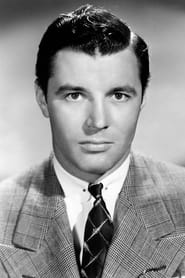
James Craig
Actor
Born: February 4, 1912 in Nashville, Tennessee, USA Died: June 27, 1985 Active: 1937-1972 Birth Name: James Henry Meador
Films
1 film
About James Craig
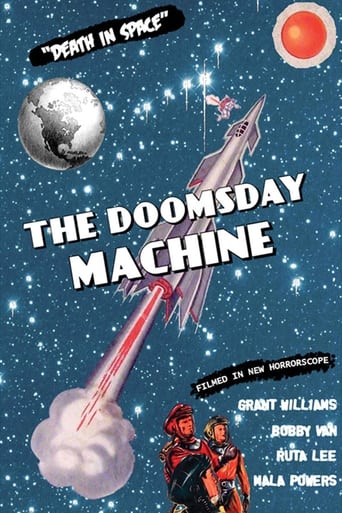
James Craig appears once in this catalog: The Human Comedy (1943). Born James Henry Meador, he was discovered while working as a bank teller and signed by MGM in the late 1930s. Often dubbed the 'poor man's Clark Gable' due to his striking resemblance to the star, Craig became a reliable leading man in the 1940s, appearing in over 60 films for the studio. His career peaked with roles in acclaimed films like 'The Human Comedy' (1943) and 'Kismet' (1944), where he demonstrated his versatility in both dramatic and musical productions. After his MGM contract ended in the early 1950s, Craig transitioned to supporting roles and B-movies, occasionally appearing in television westerns. His final film appearance was in the low-budget sci-fi film 'Doomsday Machine' (1972), marking the end of a career that spanned over three decades in the entertainment industry.
The Craft
On Screen
Craig was known for his straightforward, masculine acting style that fit well within the Hollywood studio system. He often played the reliable, earnest hero type with a commanding presence. His performances were characterized by a naturalistic approach that, while not particularly nuanced, was consistently professional and dependable. He had a strong baritone voice and carried himself with the confidence typical of leading men of his era.
Milestones
- Signed contract with MGM in 1937
- Starred in 'The Human Comedy' (1943)
- Leading role in 'Kismet' (1944)
- Appeared in over 60 films during MGM contract years
- Transitioned to television work in the 1950s-60s
- Final film role in 'Doomsday Machine' (1972)
Best Known For
Iconic Roles
Must-See Films
Accolades
Special Recognition
- Hollywood Walk of Fame star (located at 1717 Vine Street)
Working Relationships
Worked Often With
Studios
Why They Matter
Impact on Culture
James Craig represented the typical Hollywood contract player system of the Golden Age, where studios would develop actors into specific types for their productions. While never achieving A-list stardom, he contributed significantly to the film industry by providing reliable performances in numerous supporting and leading roles. His career trajectory from leading man to character actor mirrored the experience of many studio players whose careers evolved with the changing Hollywood landscape. His appearance in 'Doomsday Machine' represents the era when former Golden Age actors appeared in low-budget exploitation films, a common phenomenon in the 1970s.
Lasting Legacy
James Craig's legacy lies in his body of work during Hollywood's Golden Age, particularly his contributions to MGM's output in the 1940s. He exemplifies the journey of countless contract players who were essential to the studio system's success but rarely achieved lasting fame. His films remain valuable artifacts of classic Hollywood cinema, and his career serves as a case study in the studio system's ability to create and manage star personas. Today, he is remembered by classic film enthusiasts as a dependable character actor who brought professionalism to every role.
Who They Inspired
While James Craig did not significantly influence acting techniques or inspire generations of performers, he contributed to the established Hollywood acting style of his era. His professionalism and reliability set an example for other contract players in the studio system. His career demonstrates the importance of versatility and adaptability in the entertainment industry, lessons that remain relevant to actors today.
Off Screen
James Craig was married twice during his lifetime. His first marriage was to actress Mary June Ray in 1939, which ended in divorce in 1942. He later married Jilson Jiro in 1947, and they remained together until his death in 1985. Craig was known as a private individual who largely stayed out of the Hollywood social scene, preferring a quiet domestic life with his family. In his later years, he worked outside of acting in various business ventures before settling in Orange County, California.
Education
Attended local schools in Nashville, Tennessee; no formal acting training
Family
- Mary June Ray (1939-1942)
- Jilson Jiro (1947-1985)
Did You Know?
- Was often called 'the poor man's Clark Gable' due to his physical resemblance to the MGM superstar
- Worked as a bank teller before being discovered by a talent scout
- His birth name was James Henry Meador, but MGM changed it to James Craig for his film career
- Appeared in over 100 films and television episodes throughout his career
- His final film 'Doomsday Machine' was shot in 1971 but not released until 1972
- Was a close friend of fellow MGM actor Van Johnson
- Served in the United States Army Air Forces during World War II but was discharged due to injury
- His Hollywood Walk of Fame star was dedicated in 1960
- Never received an Academy Award nomination despite his extensive filmography
- After leaving acting, he worked in real estate in Orange County, California
In Their Own Words
I was never a star, but I was a good actor. I made a good living, and I'm proud of that.
Being called 'the poor man's Clark Gable' was both a blessing and a curse - it got me work but also typecast me.
The studio system was tough, but it taught me discipline and professionalism that served me my whole life.
Frequently Asked Questions
Who was James Craig?
American with credits in this catalog. He appeared in over 60 films between 1937 and 1972, often playing leading man roles in the 1940s before transitioning to character parts in later years.
What films is James Craig best known for?
Titles linked here include The Human Comedy (1943), Kismet (1944).
When was James Craig born and when did he die?
Born February 4, 1912; died June 27, 1985.
What awards did James Craig win?
James Craig did not receive major acting awards or Academy Award nominations during his career. However, he was honored with a star on the Hollywood Walk of Fame at 1717 Vine Street, recognizing his contributions to the entertainment industry.
What was James Craig's acting style?
Craig employed a straightforward, masculine acting style typical of Hollywood leading men of his era. He was known for his naturalistic approach and commanding presence, often playing earnest, reliable characters with professionalism and consistency.
Why was James Craig called 'the poor man's Clark Gable'?
Craig earned this nickname due to his striking physical resemblance to Clark Gable, MGM's biggest star. While this similarity helped him secure leading roles, it also typecast him and prevented him from developing a more distinctive screen identity.
How did James Craig's career evolve over time?
Craig began as a bank teller before being signed by MGM in 1937. He became a leading man in the 1940s, but after his contract ended in the 1950s, he transitioned to supporting roles and television work. His career concluded with low-budget films like 'Doomsday Machine' in the early 1970s.