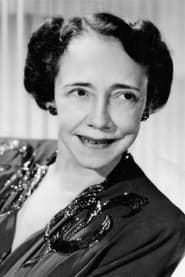
Elizabeth Patterson
Actor
Born: November 22, 1888 in Savannah, Tennessee, USA Died: January 31, 1966 Active: 1926-1966
Films
1 film
About Elizabeth Patterson
Prolific American character actress: over four decades in Hollywood, beginning in silent films and continuing through the Golden Age. Born in Savannah, Tennessee, she developed a reputation for portraying eccentric spinsters, overbearing mothers, and nosy neighbors with remarkable consistency and charm. Her breakthrough came in the 1930s when she established herself as one of Hollywood's most reliable supporting players, appearing in more than 100 films throughout her career. Patterson had a particular gift for comedy, often stealing scenes with her deadpan delivery and distinctive mannerisms. She worked with virtually every major studio and appeared alongside many of Hollywood's biggest stars, though she rarely received top billing. Her most memorable roles included her recurring performance as Aunt Effie in the 'Ma and Pa Kettle' series and her appearances in numerous Frank Capra films. Patterson continued working steadily until her death in 1966, leaving behind a legacy as one of cinema's most recognizable character actresses.
The Craft
On Screen
Known for her distinctive deadpan delivery, Patterson specialized in playing eccentric spinsters and nosy neighbors with a unique blend of warmth and comedic timing. Her acting style was characterized by subtle facial expressions, precise diction, and the ability to convey complex emotions through minimal movement. She had a remarkable talent for making even the smallest supporting roles memorable through her commitment to character details and her natural chemistry with leading actors.
Milestones
- Film debut in 'The New Klondike' (1926)
- Breakthrough role in 'Lady for a Day' (1933)
- Recurring role as Aunt Effie in 'Ma and Pa Kettle' series
- Memorable appearance in 'It's a Wonderful Life' (1946)
- Final film appearance in 'The Trouble with Angels' (1966)
Best Known For
Iconic Roles
Must-See Films
Accolades
Special Recognition
- Hollywood Walk of Fame star (Motion Pictures, 6301 Hollywood Blvd)
Working Relationships
Worked Often With
Studios
Why They Matter
Impact on Culture
Elizabeth Patterson became an iconic figure representing the archetype of the American spinster in Golden Age cinema. Her distinctive appearance and mannerisms helped define how older women were portrayed in Hollywood films of the 1930s and 1940s. Through her countless appearances, she contributed to the texture and authenticity of small-town America as depicted in classic films. Her work in Frank Capra films, particularly 'It's a Wonderful Life,' ensured her place in American cultural memory, with her character becoming instantly recognizable to generations of film viewers.
Lasting Legacy
Elizabeth Patterson left an enduring legacy as one of Hollywood's most prolific and recognizable character actresses. With over 100 film credits to her name, she exemplified the crucial role that supporting players played in creating the classic Hollywood cinema. Her ability to create memorable characters with limited screen time influenced generations of character actors who followed. Her performances continue to be celebrated by film enthusiasts and scholars as perfect examples of the art of character acting in Golden Age Hollywood.
Who They Inspired
Patterson's distinctive style of portraying eccentric spinsters influenced how such characters were written and performed in subsequent films. Her success demonstrated the commercial and artistic value of well-crafted supporting characters, encouraging studios to invest more in character actors. Younger actresses studying her work learned the importance of making every moment on screen count, regardless of the size of the role. Her collaborations with directors like Frank Capra helped establish templates for ensemble casting that would influence Hollywood for decades.
Off Screen
Elizabeth Patterson never married and devoted her entire life to her acting career. She was known in Hollywood circles as a private person who maintained close friendships with several fellow character actors. Despite her prolific film career, she lived modestly and was known for her frugality. Patterson was deeply religious and was an active member of her church community in Hollywood. She suffered from heart problems in her later years but continued working almost until her death.
Education
Attended Ward-Belmont College in Nashville, Tennessee before moving to New York to pursue acting
Did You Know?
- Appeared in over 100 films during her 40-year career
- Never received an Academy Award nomination despite her prolific output
- Was a favorite of director Frank Capra, who cast her in multiple films
- Often played characters much older than her actual age
- Was typecast as a spinster so effectively that many viewers believed she was unmarried in real life
- Her final film appearance came just weeks before her death in 1966
- Received a star on the Hollywood Walk of Fame posthumously
- Was known for her distinctive voice which she maintained throughout her career
- Worked with virtually every major star of Hollywood's Golden Age
- Was one of the few actresses to successfully transition from silent films to talkies
In Their Own Words
I've played so many aunts and spinsters that I've forgotten what it's like to be myself.
In Hollywood, you're either a star or you're a character actress. I was lucky enough to be the latter.
Frank Capra taught me that there are no small parts, only small actors.
I never minded being typecast. It meant I always had work.
Frequently Asked Questions
Who was Elizabeth Patterson?
Prolific American character actress active in Hollywood from 1926 to 1966, best known for playing eccentric spinsters and supporting roles in over 100 films. She became particularly famous for her appearances in Frank Capra films and the 'Ma and Pa Kettle' series.
What films is Elizabeth Patterson best known for?
Titles linked here include It's a Wonderful Life (1946), The Bells of St. Mary's (1945).
When was Elizabeth Patterson born and when did she die?
Born November 22, 1888; died January 31, 1966.
What awards did Elizabeth Patterson win?
Despite her prolific career, Elizabeth Patterson did not receive any major acting awards during her lifetime. She was posthumously honored with a star on the Hollywood Walk of Fame for her contributions to motion pictures.
What was Elizabeth Patterson's acting style?
Patterson was known for her deadpan delivery and distinctive portrayal of eccentric spinsters. Her acting style featured subtle facial expressions, precise diction, and the ability to create memorable characters through minimal movement and maximum impact.
Did Elizabeth Patterson ever marry or have children?
No, Elizabeth Patterson never married and had no children. She devoted her entire life to her acting career and was known as a private person who maintained close friendships within the Hollywood community.
How many films did Elizabeth Patterson appear in?
Elizabeth Patterson appeared in more than 100 films during her 40-year career, making her one of Hollywood's most prolific character actresses of the Golden Age.
What was Elizabeth Patterson's relationship with director Frank Capra?
Favorite of on YTB.my. Capra valued her ability to create memorable characters in supporting roles.