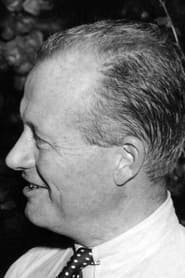
H. C. Potter
Director
Born: November 8, 1904 in New York City, United States Died: April 17, 1977 Active: 1937-1952 Birth Name: Henry C. Potter
Films
1 film
About H. C. Potter
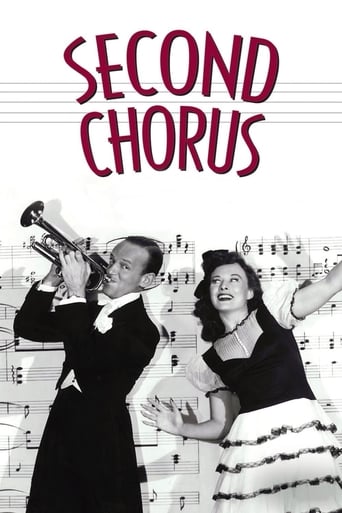
H. C. Potter, born Henry C. Potter, was an American stage and screen director whose career bridged Broadway and Hollywood during the golden age of studio filmmaking. He began in theater before moving into motion pictures, and his sensibility was shaped by a background that valued wit, pacing, and performance-driven storytelling. In Hollywood, he became known as a craftsman rather than a flamboyant stylist, directing a series of well-made comedies, dramas, and romances for major studios during the 1930s and 1940s. He is especially remembered for Second Chorus (1940), a spirited musical comedy starring Fred Astaire, Artie Shaw, and Paulette Goddard, which reflects his knack for polished entertainment and ensemble balance. Potter also directed notable films such as Mr. Lucky, The Story of Vernon and Irene Castle, and The Farmer's Daughter, working with some of the era's most recognizable stars. Although never as widely celebrated as some of his contemporaries, he built a solid reputation for professionalism, adaptability, and the ability to bring stage-trained discipline to screen comedy and drama. His career ultimately illustrates the importance of skilled studio directors who helped define the tone and quality of mainstream American cinema in the classic era.
The Craft
Behind the Camera
Potter's directing style was generally polished, efficient, and performance-centered, with an emphasis on clear storytelling and smooth pacing. Coming from the theater, he had a strong sense of blocking, ensemble coordination, and dialog rhythm, which served him well in comedies and musicals. He was not typically known for highly stylized camera work or visual bravura; instead, his films often emphasize star presence, clean narrative flow, and the intelligent handling of actors. In musical and romantic material, he favored a light, elegant touch that allowed performers to carry the emotional and comic weight of the film.
Milestones
- Moved from theater into Hollywood directing and established himself as a reliable studio-era filmmaker
- Directed Second Chorus (1940), a popular Fred Astaire musical comedy remembered for its breezy tone and ensemble energy
- Helmed Mr. Lucky (1943), an elegant romantic adventure starring Cary Grant and Laraine Day
- Directed The Story of Vernon and Irene Castle (1939), a lavish Fred Astaire and Ginger Rogers vehicle
- Directed The Farmer's Daughter (1947), a successful political comedy-drama that became one of his best-known later films
- Worked across multiple genres, including musical comedy, romance, drama, and light adventure
- Built a reputation in Hollywood for competent, audience-friendly direction and polished staging
Best Known For
Must-See Films
Working Relationships
Worked Often With
Studios
Why They Matter
Impact on Culture
H. C. Potter contributed to the smooth functioning of the classical Hollywood studio system at a time when directors were expected to deliver entertainment efficiently and elegantly. His films helped sustain the popularity of the musical comedy and sophisticated romance genres, especially in projects built around major stars. While not usually cited as a radical innovator, he played an important role in refining the tone of star-driven midbudget studio pictures that formed a large part of the Golden Age moviegoing experience. His work on Second Chorus and similar films reflects the era's collaborative ideal, in which director, writers, composers, and performers worked together to produce accessible, polished entertainment for mass audiences.
Lasting Legacy
Potter's legacy lies in his reputation as a dependable and versatile classic Hollywood director who could handle both comedy and drama with confidence. He is particularly valued by film historians for his association with major stars and for directing films that remain representative of their genres and eras. Though he never attained the name recognition of the most celebrated auteurs, his body of work demonstrates the importance of accomplished studio craftsmen in sustaining Hollywood's artistic and commercial success. For viewers and scholars of classic cinema, Potter's films offer a window into the style, professionalism, and star-centric storytelling that defined much of American film production in the 1930s and 1940s.
Who They Inspired
Potter influenced later filmmakers primarily through example rather than through a highly distinctive signature style. His career shows how a theater-trained director could transition successfully into film by emphasizing actor management, timing, and narrative clarity. Directors working in comedic and musical forms have long benefited from the kind of disciplined, unobtrusive direction he practiced, where the material and the performers remain at the center. His work also helped establish a model of studio-era professionalism that many later directors have admired when making actor-driven mainstream entertainment.
Off Screen
H. C. Potter maintained a relatively private personal life compared with many Hollywood figures of his era. Publicly available biographical material emphasizes his professional work more than family details, and he is not commonly associated with the highly publicized marriages or scandals that surrounded some contemporaries. Because of that privacy, many specifics about his domestic life are not widely documented in standard film reference sources. He is remembered chiefly for his career as a director and stage professional rather than for a celebrity personal profile.
Education
He was educated in the United States, but detailed information about specific schools or degrees is not consistently documented in standard film references.
Did You Know?
- He is sometimes remembered as one of Hollywood's more underrated craftsmen, working steadily without becoming a major public celebrity.
- Second Chorus is notable for pairing Fred Astaire with bandleader Artie Shaw, and Potter had to balance music, romance, and comedy in one production.
- He directed both light romantic comedies and more serious material, showing unusual range for a studio-era director.
- Potter's background in theater gave his films a strong sense of timing and stagecraft.
- He directed The Farmer's Daughter, a film that became especially well regarded for its combination of political comedy and romance.
- His career is often cited by classic-film fans who appreciate directors who served the story and performers rather than imposing a flashy visual style.
- He worked with many of the biggest names of the era, including Fred Astaire, Ginger Rogers, and Cary Grant.
- Although active primarily in film, his roots in the stage helped him bring a polished performance style to his movies.
Frequently Asked Questions
Who was H. C. Potter?
American on YTB.my. He began in theater and brought a strong sense of stagecraft and actor management to his films.
What films is H. C. Potter best known for?
Titles linked here include Second Chorus (1940), Mr. Lucky (1943).
When was H. C. Potter born and when did he die?
Born November 8, 1904; died April 17, 1977.
What awards did H. C. Potter win?
No major awards or formal honors are prominently documented in standard reference sources for his career. He is nevertheless respected by film historians for his steady craftsmanship and contributions to studio-era entertainment.
What was H. C. Potter's directing style?
Potter's directing style was clean, efficient, and performance-focused, with an emphasis on pacing and clear storytelling. His theater background helped him handle dialogue, timing, and ensemble scenes with precision.
What was H. C. Potter's legacy in film history?
His legacy lies in being one of the reliable, versatile directors who helped define classical Hollywood's polished mainstream style. He is remembered for making elegant, star-driven films that remain representative of their era.