
Charles Winninger
Actor
Born: May 26, 1884 in Athens, Wisconsin, USA Died: January 27, 1969 Active: 1900-1963 Birth Name: Charles J. Winninger
Films
3 films
About Charles Winninger
Beloved American character actor: from vaudeville through the Golden Age of Hollywood. Born in Wisconsin in 1884, he began performing as a child in traveling theater troupes before establishing himself on Broadway in the 1910s. His transition to film in the early 1930s marked the beginning of his most prolific period, where he became typecast as the quintessential warm, jovial, and often eccentric father figure or small-town character. His breakthrough role came as Captain Andy Hawks in the 1936 film adaptation of 'Show Boat,' which showcased his unique blend of comedy and heartfelt emotion. Throughout the late 1930s and early 1940s, Winninger became one of Hollywood's most recognizable supporting actors, appearing in over 100 films and working with nearly every major studio. Despite his typecasting, he brought remarkable depth and authenticity to each role, creating characters that felt like real people audiences knew and loved. His career declined in the 1950s as Hollywood tastes changed, but he continued working in television and film until his retirement in the early 1960s.
The Craft
On Screen
Winninger developed a distinctive acting style rooted in his vaudeville background, characterized by his warm, folksy demeanor and impeccable comedic timing. He specialized in playing lovable, eccentric characters - often small-town folks, fathers, or grandfatherly figures - with a natural authenticity that made audiences feel immediately comfortable. His performances were marked by a gentle humor, never resorting to slapstick but instead finding comedy in the quirks of everyday people. He had a unique ability to balance comedy with genuine pathos, often delivering emotional moments that felt earned rather than manipulative. His distinctive voice and mannerisms, including his characteristic chuckle and slightly befuddled expression, became his trademarks.
Milestones
- Broadway debut in 'The Little Millionaire' (1911)
- Breakthrough film role in 'Show Boat' (1936)
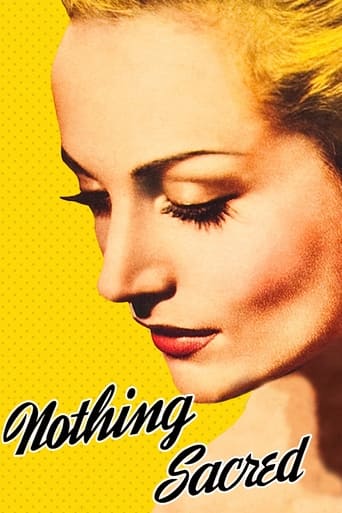
- Memorable performance in 'Nothing Sacred' (1937)
- Starred in 'State Fair' (1933)
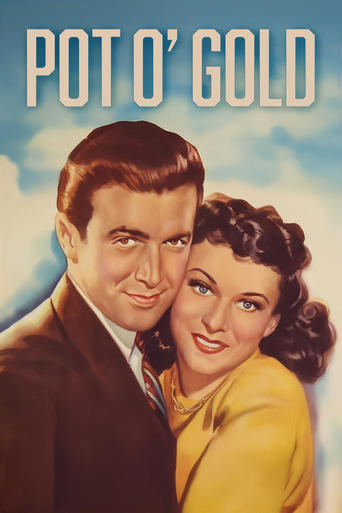
- Leading role in 'Pot o' Gold' (1941)
- Over 100 film appearances throughout his career
- Star on Hollywood Walk of Fame
Best Known For
Iconic Roles
Must-See Films
Accolades
Won
- Hollywood Walk of Fame Star (1960)
Special Recognition
- Hollywood Walk of Fame Star at 1712 Vine Street
- Recognition as one of Hollywood's most beloved character actors
Working Relationships
Worked Often With
Studios
Why They Matter
Impact on Culture
Charles Winninger represented the heart and soul of small-town America during Hollywood's Golden Age, embodying the values of warmth, wisdom, and humor that audiences found both comforting and authentic. His performances helped establish the archetype of the lovable eccentric character that became a staple of American cinema. In an era of rapid urbanization and social change, Winninger's characters served as a nostalgic connection to simpler times and traditional values. His work in musicals like 'Show Boat' and 'State Fair' helped define the genre's emotional core, proving that musical films needed grounded, relatable characters to balance their spectacle. His transition from stage to film exemplified the successful adaptation of vaudeville techniques to the new medium of cinema, influencing generations of character actors.
Lasting Legacy
Charles Winninger left an enduring legacy as one of Hollywood's most beloved character actors, with over 100 film performances that continue to entertain audiences through classic film revivals and television broadcasts. His star on the Hollywood Walk of Fame serves as a permanent tribute to his contributions to American cinema. Film historians often cite him as a prime example of the supporting actor who could elevate any material through sheer force of personality and authentic characterization. His performances in films like 'Show Boat' and 'State Fair' are frequently referenced in studies of Golden Age Hollywood as exemplars of the perfect blend of comedy and emotion. Younger actors studying classic cinema often look to Winninger excelled in subtlety and naturalism in an era known for its theatrical performances.
Who They Inspired
Winninger influenced countless character actors who followed, particularly those specializing in playing warm, fatherly figures. His naturalistic approach to comedy, avoiding broad slapstick in favor of character-based humor, paved the way for more nuanced comedic performances in later decades. Many actors who specialized in playing eccentric small-town characters, including Edgar Buchanan and Will Geer, owed a debt to Winninger's work. His success in transitioning from vaudeville to film demonstrated how stage performers could adapt their techniques for the camera, influencing the approach of many theater actors who moved into films. His ability to find the humanity in every character, no matter how small the role, set a standard for supporting actors in Hollywood.
Off Screen
Charles Winninger was married three times throughout his life, all to performers. His first marriage was to actress and singer Blanche Ring from 1911 to 1914. He then married Mabel Hite, another vaudeville performer, in 1915, remaining with her until her death in 1918. His final and longest marriage was to actress Rosalind 'Rosie' Forbes in 1919, which lasted until his death in 1969. He had one daughter, Patricia Winninger, from his marriage to Mabel Hite. Despite his busy career, Winninger was known as a devoted family man who maintained strong connections to his Midwestern roots throughout his Hollywood success.
Education
Limited formal education; trained primarily through practical experience in vaudeville and traveling theater troupes from childhood
Family
- Blanche Ring (1911-1914)
- Mabel Hite (1915-1918)
- Rosalind Forbes (1919-1969)
Did You Know?
- Began performing in vaudeville at age 7
- Was a talented musician who could play multiple instruments
- His distinctive chuckle became one of his most recognizable trademarks
- Often played characters who were much older than his actual age
- Was a close friend of fellow character actor Charles Laughton
- Despite his warm on-screen persona, was known as a very private person off-screen
- Continued performing well into his 70s
- His final film appearance was in 'The Adventures of a Rookie' (1963)
- Was one of the few actors to successfully transition from silent films to talkies without changing his style
- Never won an Academy Award but was widely respected by his peers for his craft
In Their Own Words
I've never played a part I didn't like. Every character has something interesting about them if you look hard enough.
Comedy isn't about being funny, it's about being real. People laugh at truth.
The secret to playing old men is to remember how you felt when you were young - just slower.
Vaudeville taught me everything I needed to know about timing. You have two minutes to make them love you or hate you.
I never wanted to be a star. Stars burn out too fast. I wanted to be like a good old piece of furniture - always there when you need me.
Frequently Asked Questions
Who was Charles Winninger?
Screen credits include over 100 films during Hollywood's Golden Age. He was known for playing warm, jovial characters and was particularly famous for his roles in 'Show Boat,' 'Nothing Sacred,' and 'State Fair.' His active years covered from vaudeville through the transition to sound films, making him one of the few performers to successfully navigate multiple entertainment mediums.
What films is Charles Winninger best known for?
Titles linked here include Show Boat (1936), Nothing Sacred (1937).
When was Charles Winninger born and when did he die?
Born May 26, 1884; died January 27, 1969.
What awards did Charles Winninger win?
While Charles Winninger never received an Academy Award nomination, he was honored with a star on the Hollywood Walk of Fame in 1960. His greatest recognition came from audiences and fellow actors who respected his craft and consistency. He was widely regarded as one of Hollywood's most reliable and beloved character actors throughout his long career.
What was Charles Winninger's acting style?
Charles Winninger's acting style was characterized by his warm, folksy demeanor and natural authenticity, rooted in his vaudeville background. He specialized in playing lovable, eccentric characters with impeccable comedic timing and the ability to balance humor with genuine emotion. His distinctive voice, characteristic chuckle, and slightly befuddled expression became his trademarks, making him instantly recognizable to audiences.