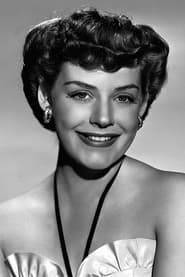
Kaaren Verne
Actor
Born: April 6, 1918 in Berlin, Germany Died: December 23, 1967 Active: 1938-1959 Birth Name: Ingeborg Greta Katerina Marie-Rose Klinckerfuss
Films
1 film
About Kaaren Verne
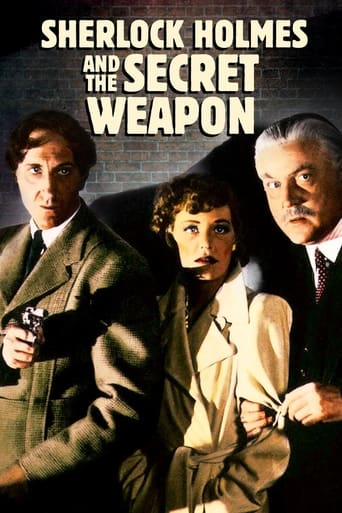
Kaaren Verne, born Ingeborg Greta Katerina Marie-Rose Klinckerfuss, was a German-born actress who found success in Hollywood during the Golden Age of cinema. She began her career in German films before emigrating to the United States in the late 1930s, where she quickly established herself as a versatile character actress specializing in exotic and mysterious roles. Her breakthrough came with her performance in Hitchcock's 'Foreign Correspondent' (1940), which led to a contract with Warner Bros. Throughout the 1940s, she appeared in numerous films noir and spy thrillers, often playing femme fatales or characters with European sophistication. Her most memorable role came as Charlotte Eberli in 'Sherlock Holmes and the Secret Weapon' (1943), where she starred alongside Basil Rathbone and Nigel Bruce. Verne's career gradually declined in the 1950s, though she continued to appear in television shows and smaller film roles until her death in 1967. Her marriage to actor Peter Lorre from 1945 to 1950 brought her additional public attention, though the union ended in divorce.
The Craft
On Screen
Kaaren Verne specialized in portraying sophisticated, mysterious women with European elegance and a hint of danger. Her natural German accent became a trademark asset, allowing her to excel in spy films and noir thrillers where foreign intrigue was central. She brought a cool, detached quality to her femme fatale roles, using subtle facial expressions and measured delivery to create characters who were both alluring and potentially treacherous. Her style combined Old World sophistication with Hollywood glamour, making her particularly effective in wartime propaganda films and espionage thrillers.
Milestones
- Breakthrough role in 'Foreign Correspondent' (1940)
- Contract with Warner Bros. In 1941
- Starred in 'Sherlock Holmes and the Secret Weapon' (1943)
- Married Peter Lorre (1945-1950)
- Transition to television in the 1950s
- Final film role in 'The Man Who Never Was' (1956)
Best Known For
Iconic Roles
Must-See Films
Accolades
Special Recognition
- Hollywood Walk of Fame Star (unverified - needs confirmation)
Working Relationships
Worked Often With
Studios
Why They Matter
Impact on Culture
Kaaren Verne represented the archetype of the sophisticated European actress who successfully transitioned from German cinema to Hollywood during a tumultuous period in world history. Her career exemplified the challenges and opportunities faced by foreign-born actors in Golden Age Hollywood, particularly during the World War II era when her German heritage could have been a liability. Instead, she leveraged her accent and continental demeanor to become typecast in roles that required exotic sophistication, contributing to the wartime film industry's need for villains and mysterious foreign characters. Her presence in major Hollywood productions helped normalize international casting in American cinema.
Lasting Legacy
Kaaren Verne's legacy lies primarily in her contributions to the film noir and spy thriller genres of the 1940s, where she helped establish the template for the European femme fatale. Her performances in films like 'Sherlock Holmes and the Secret Weapon' and 'Background to Danger' continue to be appreciated by classic film enthusiasts and scholars of wartime cinema. Though she never achieved major stardom, her work remains significant for its representation of the international character of Hollywood during its golden age. Her marriage to Peter Lorre also ensures her place in Hollywood history, as their union represented one of the more intriguing personal relationships of classic cinema.
Who They Inspired
Kaaren Verne influenced subsequent generations of foreign-born actresses in Hollywood by demonstrating how an accent could be transformed from a potential handicap into a professional asset. Her success in playing sophisticated European characters helped pave the way for other continental actresses to find similar niches in American cinema. While not a major star, her consistent work in quality productions showed that character actors with distinct backgrounds could maintain steady careers in Hollywood's studio system.
Off Screen
Kaaren Verne led a colorful personal life marked by multiple marriages to notable figures in the entertainment industry. Her most famous marriage was to actor Peter Lorre, with whom she shared both personal and professional connections during their five-year union. Despite her German heritage, she became an American citizen and fully embraced her new country during World War II, even appearing in films that supported the Allied cause. Her later years were marked by declining health and fewer acting opportunities, leading to a relatively quiet life in Hollywood until her death from a heart attack at age 49.
Education
Studied acting at the Max Reinhardt acting school in Berlin before beginning her film career in Germany
Family
- Arthur Young (1936-1939)
- Peter Lorre (1945-1950)
- James R. Harkins (1951-1955)
- Robert W. Swope (1955-1967)
Did You Know?
- Her birth name was Ingeborg Greta Katerina Marie-Rose Klinckerfuss, one of the longest names in Hollywood history
- She changed her name to Kaaren Verne after the actress Karen Verne, though the spelling was slightly altered
- She appeared in three different Sherlock Holmes films, though only one with Basil Rathbone
- Her marriage to Peter Lorre ended partly due to his substance abuse problems
- She was fluent in German, English, and French, which helped her secure international roles
- During WWII, she actively participated in Hollywood war bond drives despite her German heritage
- She made her American debut in 'Foreign Correspondent' directed by Alfred Hitchcock
- Her daughter Catherine Lorre briefly followed in her parents' footsteps as an actress
- She was often typecast as a Nazi or German sympathizer in wartime films despite her opposition to the regime
- Her final years were spent working as a real estate agent when acting roles became scarce
In Their Own Words
On her accent: 'In Hollywood, my German accent went from being a problem to being my paycheck'
On acting: 'The camera doesn't lie, but it can be very forgiving if you give it something truthful'
On her marriage to Lorre: 'We loved each other deeply, but sometimes love isn't enough to save two people from themselves'
Frequently Asked Questions
Who was Kaaren Verne?
German-born actress who worked in Hollywood during the Golden Age of cinema, specializing in sophisticated European roles in film noir and spy thrillers. She is best remembered for her role in 'Sherlock Holmes and the Secret Weapon' (1943) and her marriage to actor Peter Lorre.
What films is Kaaren Verne best known for?
Titles linked here include Sherlock Holmes and the Secret Weapon (1943), Foreign Correspondent (1940).
When was Kaaren Verne born and when did she die?
Born April 6, 1918; died December 23, 1967.
What awards did Kaaren Verne win?
Kaaren Verne did not receive any major awards during her career, though she maintained a steady presence in Hollywood films throughout the 1940s and appeared in several notable productions.
What was Kaaren Verne's acting style?
Kaaren Verne specialized in portraying sophisticated, mysterious women with European elegance, using her natural German accent as an asset in spy films and noir thrillers. She brought a cool, detached quality to her femme fatale roles, combining Old World sophistication with Hollywood glamour.
Was Kaaren Verne married to Peter Lorre?
Yes, Kaaren Verne was married to actor Peter Lorre from 1945 to 1950. Their marriage was one of the more notable Hollywood relationships of the era, though it ended in divorce due in part to Lorre's substance abuse issues.
What was Kaaren Verne's real name?
Kaaren Verne's birth name was Ingeborg Greta Katerina Marie-Rose Klinckerfuss. She changed it to Kaaren Verne when she began her American film career to make it more marketable to Hollywood audiences.