Films
1 film
About William Post Jr.
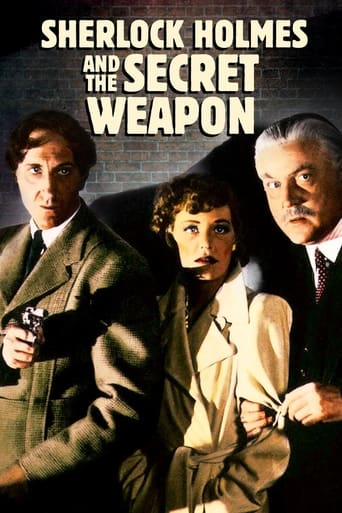
American actor who had a brief but memorable career during Hollywood's Golden Age, appearing primarily in the early 1940s. His most notable screen appearance was in the 1943 Universal Pictures film 'Sherlock Holmes and the Secret Weapon,' where he played a minor but significant role in the popular Basil Rathbone-Nigel Bruce Sherlock Holmes series. Like many character actors of his era, Post specialized in supporting roles that added depth and authenticity to the productions he appeared in. His acting career appears to have been concentrated primarily around 1943, suggesting he may have been a contract player or someone who pursued acting as a secondary profession. Post's contribution to classic cinema, while limited in scope, represents the essential work of countless supporting actors who helped create the Golden Age Hollywood films. His brief filmography reflects the transient nature of many acting careers during the studio system era, where thousands of actors contributed to films but never achieved lasting fame.
The Craft
Milestones
- Appeared in 'Sherlock Holmes and the Secret Weapon' (1943) during the height of the Basil Rathbone Holmes series
- Worked during the Golden Age of Hollywood at Universal Pictures
Best Known For
Iconic Roles
Must-See Films
Working Relationships
Worked Often With
Studios
Why They Matter
Impact on Culture
William Post Jr.'s contribution to cinema represents the essential but often overlooked work of thousands of character actors who populated Golden Age Hollywood films. His appearance in 'Sherlock Holmes and the Secret Weapon' places him within the context of. While his individual impact may be difficult to trace, he was part of the studio system machinery that created enduring classic films that continue to entertain audiences decades later.
Lasting Legacy
William Post Jr.'s legacy is that of a typical Golden Age Hollywood character actor - a craftsman who contributed to the magic of classic cinema without achieving widespread recognition. His appearance in a Sherlock Holmes film ensures that his work has been preserved and can still be viewed by classic film enthusiasts today. He represents the countless actors who formed the backbone of Hollywood's studio system, creating memorable moments in supporting roles that helped define the Golden Age of American cinema.
Who They Inspired
Due to the limited scope of his known film work, specific information about William Post Jr.'s influence on other actors or filmmakers is not documented. However, like all character actors of his era, his work contributed to the training ground and inspiration for future generations of performers who studied the techniques of Golden Age Hollywood actors.
Off Screen
Very little biographical information is available about William Post Jr.'s personal life, which is common for actors who had brief careers in supporting roles during Hollywood's Golden Age. Like many character actors of his era, he likely pursued acting as one of several possible professions and may have had other occupations outside of the film industry.
Did You Know?
- Appeared in 'Sherlock Holmes and the Secret Weapon' during the peak years of the Universal Holmes series
- His entire known film career appears to have been concentrated in the year 1943
- Worked during the height of Hollywood's studio system era
- His film was directed by Roy William Neill, who directed most of the Rathbone-Bruce Holmes films
- Part of the vast network of character actors who populated Universal Pictures productions during World War II
- His contribution came during
- Like many supporting actors of his time, his name appears in credits but detailed biographical information is scarce
Frequently Asked Questions
Who was William Post Jr.?
American with credits in this catalog. He was a character actor whose known film work appears to have been concentrated primarily in 1943.
What films is William Post Jr. Best known for?
Titles linked here include Sherlock Holmes and the Secret Weapon (1943).
When was William Post Jr. Born and when did he die?
Unfortunately, detailed biographical information about William Post Jr.'s birth and death dates is not readily available, which is common for character actors who had brief careers during Hollywood's Golden Age. His nationality was American.
What awards did William Post Jr. Win?
There are no documented awards or nominations for William Post Jr., which is typical for many supporting actors of his era who worked primarily in character roles rather than leading parts.
What was William Post Jr.'s acting style?
While specific details about William Post Jr.'s acting style are not documented, as a character actor during the Golden Age, he likely employed the professional, polished techniques typical of studio system actors who specialized in supporting roles that enhanced the main narrative.