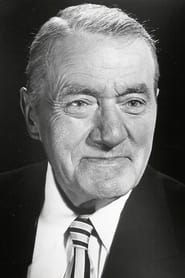
Albert Sharpe
Actor
Born: April 15, 1885 in Belfast, Ireland (now Northern Ireland) Died: March 13, 1970 Active: 1930s-1960s
Films
1 film
About Albert Sharpe
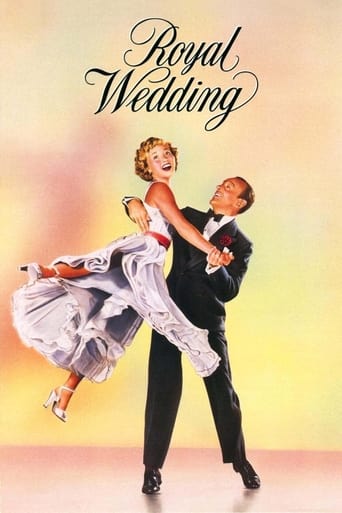
Irish character actor: both stage and screen, beginning in the theatrical tradition of his native Belfast before transitioning to international cinema. Born in 1885, he honed his craft on the stages of Ireland and England, developing a reputation for his authentic Irish persona and commanding presence. His breakthrough into film came relatively late in his career, but he quickly established himself as a memorable character actor, particularly in roles that required his distinctive Irish brogue and folksy charm. His most celebrated performance came as the title character in Disney's 'Darby O'Gill and the Little People' (1959), where he brought warmth and authenticity to the role of the aging Irish storyteller. Throughout his film career, Sharpe became typecast in Irish roles, but he embraced these characters with remarkable depth and humanity. His performance in 'Royal Wedding' (1951) as Mr. Mulvany showcased his ability to hold his own alongside Hollywood stars like Fred Astaire. Sharpe's career, though not extensive in terms of film appearances, on the portrayal of Irish characters in classic cinema.
The Craft
On Screen
Albert Sharpe was known for his authentic Irish characterization, bringing genuine warmth and humor to his roles. His acting style was rooted in traditional Irish storytelling, with a naturalistic approach that made his characters feel like real people rather than stereotypes. He possessed a distinctive, rich Irish brogue that he used effectively to create memorable characters. Sharpe's performances were marked by his ability to balance comedy with genuine emotion, often playing wise old men with a twinkle in their eye. His stage background gave him a commanding presence and excellent timing, which translated well to his film work.
Milestones
- Stage career in Ireland and England before film
- Breakthrough film role in 'Royal Wedding' (1951)
- Iconic performance as Darby O'Gill in Disney's 'Darby O'Gill and the Little People' (1959)
- Appeared in British film 'The Long Memory' (1953)
- Featured in 'The Gentle Gunman' (1952)
Best Known For
Iconic Roles
Must-See Films
Accolades
Special Recognition
- Remembered as one of Ireland's most authentic character actors in international cinema
Working Relationships
Worked Often With
Studios
Why They Matter
Impact on Culture
Albert Sharpe played a significant role in shaping how Irish characters were portrayed in mid-20th century cinema, moving away from caricature toward more authentic representation. His performance in 'Darby O'Gill and the Little People' became particularly influential in introducing Irish folklore and storytelling traditions to international audiences. Sharpe helped pave the way for other Irish actors to find success in Hollywood while maintaining their cultural identity. His work contributed to a greater appreciation of Irish culture and storytelling in mainstream cinema, particularly through his collaboration with Disney. The authenticity he brought to his roles helped challenge stereotypes and present a more nuanced view of Irish characters in film.
Lasting Legacy
Albert Sharpe's legacy endures through his memorable performances that continue to be appreciated by fans of classic cinema, particularly his iconic role as Darby O'Gill. He is remembered as an actor who brought genuine Irish character to international screens without sacrificing authenticity for commercial appeal. His work in 'Darby O'Gill and the Little People' remains a beloved classic that introduces new generations to Irish folklore and storytelling traditions. Sharpe's career demonstrated that character actors could achieve lasting fame through memorable performances rather than leading roles. His influence can be seen in how subsequent Irish actors have approached Hollywood while maintaining their cultural identity.
Who They Inspired
Albert Sharpe influenced subsequent generations of Irish actors by demonstrating that it was possible to achieve international success while maintaining cultural authenticity. His naturalistic approach to Irish characterization provided a model for actors seeking to avoid stereotypical portrayals. Younger Irish actors entering Hollywood in the 1960s and beyond looked to Sharpe's career as an example of how to build a reputation through character work rather than leading roles. His collaboration with Disney helped open doors for other Irish performers in family entertainment. Sharpe's dedication to authentic Irish storytelling influenced how folklore and cultural traditions were presented in mainstream cinema.
Off Screen
Albert Sharpe remained deeply connected to his Irish roots throughout his life and career, never fully relocating to Hollywood despite his international success. He maintained a home in Belfast and was known for his modest lifestyle despite his film achievements. Sharpe was respected in theatrical circles for his dedication to authentic Irish storytelling and his commitment to preserving Irish cultural traditions through his performances. He was married and had children, though he kept his family life relatively private from the public eye. In his later years, he returned to stage work and continued to perform in Ireland until his health declined.
Education
Limited formal education, trained primarily through practical experience in theater and performance
Family
- Information not publicly available
Did You Know?
- Was discovered by Disney executives while performing in a London stage production
- Despite his success in 'Darby O'Gill and the Little People', he never appeared in another Disney film
- His distinctive Irish brogue was so authentic that many audiences assumed he was a farmer rather than a trained actor
- He was already in his 60s when he achieved his greatest film success
- Continued performing on stage in Ireland even after achieving international film fame
- His role as Darby O'Gill was originally offered to Barry Fitzgerald, who turned it down
- Sharpe learned to ride a horse specifically for his role in 'Darby O'Gill'
- He maintained his Belfast accent throughout his career, never adopting a more 'Hollywood-friendly' dialect
- Was a favorite of director Robert Stevenson, who cast him in multiple projects
- His performance in 'Royal Wedding' was without on-screen billing in some releases despite being a memorable supporting role
In Their Own Words
In Ireland, we don't tell stories - we live them. Every tale has a bit of truth in it, you see.
The stage teaches you that every character, no matter how small, deserves to be treated with respect.
I never wanted to be a star. I wanted to be a good actor, and there's a difference, you know.
Frequently Asked Questions
Who was Albert Sharpe?
Irish character with credits in this catalog. He achieved international fame for his portrayal of Darby O'Gill in Disney's 1959 film and appeared in other notable films including 'Royal Wedding' (1951). His active years covered from the 1930s through the 1960s, during which he became.
What films is Albert Sharpe best known for?
Titles linked here include Darby O'Gill and the Little People (1959), Royal Wedding (1951).
When was Albert Sharpe born and when did he die?
Born April 15, 1885; died March 13, 1970.
What awards did Albert Sharpe win?
While Albert Sharpe did not receive major formal awards or Academy Award nominations during his career, he earned significant recognition and respect within the film industry for his authentic portrayals of Irish characters. His performance as Darby O'Gill remains his most celebrated work and continues to be appreciated by audiences and critics alike as a classic example of character acting at its finest.
What was Albert Sharpe's acting style?
Albert Sharpe's acting style was characterized by its authenticity, warmth, and naturalistic approach to Irish characters. Drawing from his extensive stage experience, he brought genuine emotion and humor to his roles, avoiding stereotypes while maintaining the charm of traditional Irish storytelling. His distinctive Irish brogue and ability to balance comedy with heartfelt emotion made his performances memorable and influential in how Irish characters were portrayed in cinema.