
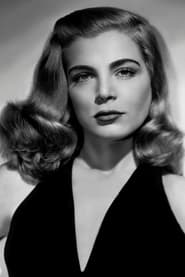
Lizabeth Scott
Actor
Born: September 29, 1922 in Scranton, Pennsylvania, United States Died: January 31, 2015 Active: 1945-1972 Birth Name: Emma Matzo
Films
2 films
About Lizabeth Scott
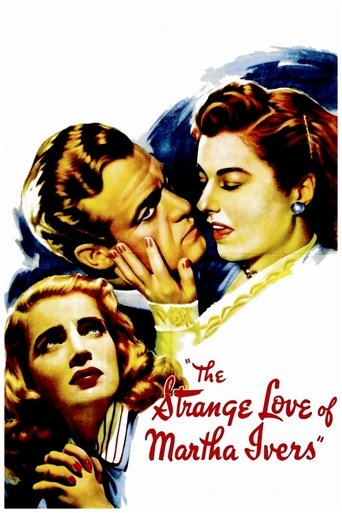
Lizabeth Scott, born Emma Matzo, was an American actress who rose to prominence in the 1940s as one of Hollywood's most film noir femmes fatales. Discovered by producer Hal Wallis while performing in Broadway plays, she was signed to Paramount Pictures in 1945 and made her film debut in 'You Came Along' (1945). Her breakthrough role came in 'The Strange Love of Martha Ivers' (1946) opposite Barbara Stanwyck and Kirk Douglas, where her sultry performance and distinctive husky voice established her as a leading lady in the noir genre. Throughout the late 1940s and early 1950s, Scott specialized in playing complex, often dangerous women in films like 'Dead Reckoning' (1947), 'I Walk Alone' (1947), and 'Too Late for Tears' (1949). Her career declined in the mid-1950s as film noir fell out of favor, though she continued appearing in films and television through the 1970s. Scott retired from acting in 1972 and lived a private life until her death in 2015 at age 92, leaving behind a legacy as one of cinema's quintessential noir actresses.
The Craft
On Screen
Lizabeth Scott developed a distinctive acting style characterized by her low, husky voice and cool, detached delivery that became her trademark. She specialized in portraying complex, ambiguous women who were often morally compromised, bringing a subtle vulnerability beneath her tough exterior. Her performances were marked by restrained emotion and an underlying sense of mystery, making her perfect for film noir roles where characters' motivations were deliberately obscured. Scott had a unique ability to convey multiple emotions simultaneously, often appearing both alluring and dangerous in the same scene. Her minimalist approach to acting, combined with her striking appearance and distinctive vocal quality, created an unforgettable screen presence that defined the femme fatale archetype of the 1940s.
Milestones
- Broadway debut in 'The Skin of Our Teeth' (1942)
- Signed by Paramount Pictures producer Hal Wallis (1945)
- Film debut in 'You Came Along' (1945)
- Breakthrough role in 'The Strange Love of Martha Ivers' (1946)
- Starred in classic noir 'Too Late for Tears' (1949)
- Leading role in 'Dark City' (1950)
- Final film appearance in 'Pulp' (1972)
Best Known For
Iconic Roles
Must-See Films
Accolades
Special Recognition
- Hollywood Walk of Fame star (1960)
Working Relationships
Worked Often With
Studios
Why They Matter
Impact on Culture
Lizabeth Scott's impact on cinema lies primarily in her contribution to the film noir genre and her role in defining the femme fatale archetype during Hollywood's Golden Age. Her distinctive husky voice and cool, detached style influenced how dangerous women were portrayed in American cinema for decades. Scott helped establish the template for the morally ambiguous female character who could be both victim and predator, a complex portrayal that challenged traditional gender roles in 1940s Hollywood. Her performances in films like 'Too Late for Tears' and 'The Strange Love of Martha Ivers' became reference points for future actresses playing similar roles. Scott's work contributed to the critical reevaluation of film noir in later decades, with scholars and cinephiles recognizing her as one of the genre's most important performers.
Lasting Legacy
Lizabeth Scott's legacy endures as. Her portrayal of complex, morally ambiguous women helped expand the range of female characters in Hollywood films beyond traditional stereotypes. Scott's distinctive vocal delivery and acting style influenced subsequent generations of actors, particularly those playing femme fatale roles. Her films, especially 'Too Late for Tears,' have been rediscovered and celebrated as classics of the noir genre. Despite her relatively short period of stardom, Scott left an indelible mark on American cinema, representing the sophistication, danger, and complexity that defined the golden age of film noir. Her career shows the power of distinctive talent and artistic vision in creating lasting cultural impact.
Who They Inspired
Lizabeth Scott's influence can be seen in the work of later actresses who specialized in playing complex, dangerous women, including Lauren Bacall, Barbara Stanwyck (who worked with her), and contemporary actresses like Kathleen Turner in film noir revival films. Her distinctive vocal style influenced how actresses approached delivering dialogue in noir and thriller genres, emphasizing the power of voice in creating character. Directors and actors studying film noir often cite Scott's performances as examples of how to portray moral ambiguity and psychological complexity. Her work has influenced feminist film scholars who analyze how classic Hollywood actresses subverted traditional gender roles through their performances. Scott's approach to playing characters who were both alluring and threatening helped establish a template for female anti-heroes in cinema that continues to evolve in contemporary film and television.
Off Screen
Lizabeth Scott was known for her intensely private nature throughout her life and career. She never married and had no children, once stating that she preferred to remain single. In 1955, she was named in the magazine Confidential in an exposé on Hollywood's lesbian community, which she vehemently denied, calling the allegations 'filthy lies' and suing the magazine for libel. The case was settled out of court. Scott lived in seclusion in her later years, rarely giving interviews and maintaining her privacy until her death. She was known for her intellectual pursuits, including reading extensively and engaging in political discussions, and was a registered Republican who supported conservative causes.
Education
Graduated from Central High School in Scranton, Pennsylvania; studied drama with acting coach Michael Chekhov in New York City
Did You Know?
- Her birth name was Emma Matzo, and she was of Slovak and Russian descent
- She was discovered by Hal Wallis while understudying for Tallulah Bankhead in 'The Skin of Our Teeth' on Broadway
- Her distinctive husky voice was the result of a childhood bout with diphtheria
- She was one of the first actresses to be called a 'femme fatale' by film critics
- Paramount Pictures promoted her as a rival to Lauren Bacall
- She was nicknamed 'The Threat' by the press due to her screen persona
- Scott turned down the role that went to Gloria Grahame in 'The Bad and the Beautiful' (1952)
- She was a licensed pilot and enjoyed flying in her personal time
- Her final film role was in 'Pulp' (1972), appearing alongside Michael Caine
- She was a Republican and supported Richard Nixon's presidential campaigns
- Scott never gave a formal interview after 1957, maintaining her privacy for nearly 60 years
- Her film 'Too Late for Tears' was considered lost for decades before being rediscovered and restored
In Their Own Words
I don't want to be a star. I want to be an actress.
I'm not a femme fatale. I'm an actress who plays them.
Privacy is something I've always cherished. When you lose it, you lose a part of yourself.
The camera doesn't lie, but it doesn't tell the whole truth either.
I never wanted to be famous. I wanted to be good at what I did.
Frequently Asked Questions
Who was Lizabeth Scott?
American actress best known for her roles in film noir during the 1940s and 1950s. With her distinctive husky voice and cool demeanor, she became one of Hollywood's quintessential femmes fatales, starring in classics like 'The Strange Love of Martha Ivers' and 'Too Late for Tears'.
What films is Lizabeth Scott best known for?
Titles linked here include The Strange Love of Martha Ivers (1946), Too Late for Tears (1949).
When was Lizabeth Scott born and when did she die?
Born September 29, 1922; died January 31, 2015.
What awards did Lizabeth Scott win?
Despite her significant contributions to cinema, Lizabeth Scott did not receive major industry awards during her career. Her most significant recognition was a star on the Hollywood Walk of Fame, awarded in 1960, honoring her contributions to film.
What was Lizabeth Scott's acting style?
Scott's acting style was characterized by her distinctive low, husky voice and cool, detached delivery. She specialized in portraying morally ambiguous women with underlying vulnerability, using minimal emotional expression to create mysterious, complex characters perfect for film noir roles.
Why did Lizabeth Scott's career end so early?
Scott's career declined in the mid-1950s due to several factors: the waning popularity of film noir, a damaging scandal in Confidential magazine, and her own desire for privacy. She made fewer films after 1955 and effectively retired from acting in 1972.
Did Lizabeth Scott ever marry?
No, Lizabeth Scott never married and had no children. She remained single throughout her life, once stating that she preferred to remain single and maintain her privacy, which she guarded fiercely especially after her retirement from acting.